
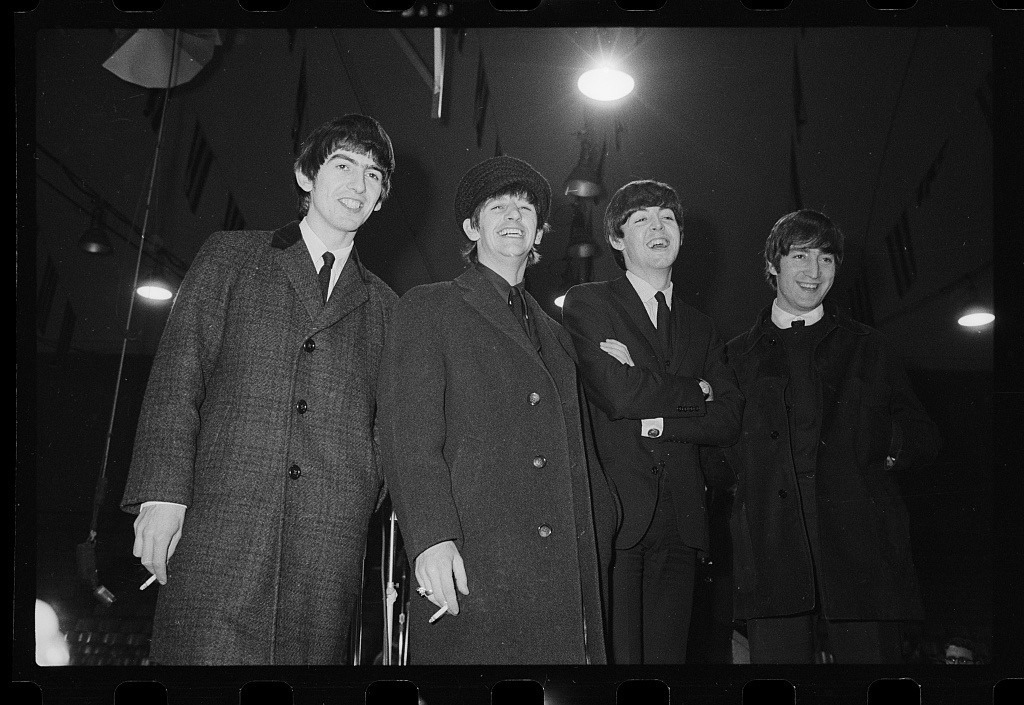
I can’t pinpoint the exact moment I first heard The Beatles’ 1965 album Rubber Soul.
Coming from a multi-cultural household dominated by R&B, gospel, reggaeton and salsa music, just to name a few, it was hard for me to attach myself to the music of “The Fab Four.”
“But you’re a band kid,” some of my friends would say. “How can you not like The Beatles?”
For the longest time, I didn’t have an answer. I was familiar with some of their older love songs like “Love Me Do” and “I Saw Her Standing There,” but I refused to listen out of spite.
After all, they were (and still are) often considered the cream of the crop of modern music.
Then, I did a little research.
I found that Rubber Soul is considered by many critics to be the turning point in the band’s discography – the moment where they turned away from their Beatlemania-style songs and focused on crafting creative perfection over commercial success.
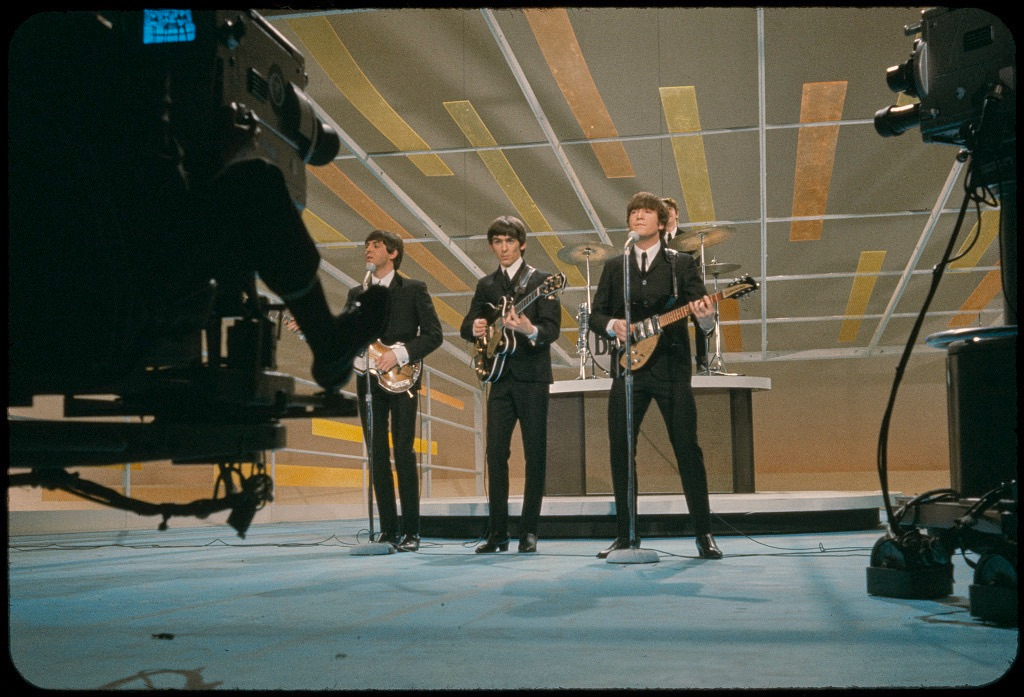
I pressed play, and when the opening riff from “Drive My Car” hit my ears through my old red Skullcandy earbuds, I knew I was listening to something special.
Little did I know, the album would completely change the way I listen to music.
There’s an artistic intelligence to these compositions that’s still hard for me to comprehend many years later, and each member brought their own special sauce to the table.
John Lennon is my MVP of this record, driving both the folk-rock/psychedelic musical shift and the cannabis-induced wordsmithing that defines its tracks.
Take “Norwegian Wood (This Bird Has Flown),” a personal favourite of mine. It’s a raga-rock classic that features George Harrison on sitar. It’s the first time I heard an Indian string instrument on any Western pop track, and it added an indescribable mystique that only a John Lennon piece could muster.
“You Won’t See Me,” written by the legendary Paul McCartney demonstrates his songwriting expertise. Lyrically portraying emotional neglect in a relationship, McCartney’s Motown-inspired bassline along with drummer Ringo Starr’s unique hi-hat patterns make for a grippingly tight three-and-a-half-minute song many gloss over.
And it would be unfair to exclude George Harrison’s contributions to Rubber Soul. Even on an album dominated by the Lennon/McCartney musical partnership, Harrison’s growth as a composer is evident on the album’s penultimate track, “If I Needed Someone.”
Drawing inspiration from the Byrds, he uses a mantra-like chorus with advanced harmonic structures to foreshadow the spiritual and musical path he’d eventually take.
For me, Rubber Soul is the last Beatles project that works as a pop album but the first that truly deserves album status.
I can remember it being the first album I gave a proper listen to front-to-back; paying close attention to the auditory nuances and details that make its lightning-quick 35-minute runtime so highly acclaimed in the music zeitgeist.
I still long for the feeling I had when the final notes of the closer, “Run For Your Life,” pumped through those earbuds many years ago. I was taken aback by the possibilities that music offered up.
From there, I listened to the rest of their albums in order, from 1966’s Revolver to their final studio album Let It Be (though Abbey Road was their last recorded album, but I digress), keeping me hooked as a Beatlemaniac to this day.
Rubber Soul still rewards close listening in ways many albums fail to do. The interplay between Lennon, McCartney, Harrison and Starr creates one-of-a-kind compositions, and captivating lyrical content makes it a monumental accomplishment in Western music – especially considering the technical limitations of its time.
As I’ve grown older and my perspective on both music and life becomes increasingly complex, my feelings toward this album are changing in turn.
What once sounded like just clever songwriting and a fresh sonic palette now have thematic layers revealing emotional restraint, uncertainty and maturity.
It’s one of those albums where no matter what time of the day, what mood I’m in, or where I happen to be, Rubber Soul simply remains.
And though the album hasn’t changed, I have, and it continues to find ways to keep me hooked – even 60 years after its release.
This article, and all of the Charlatan’s work, is brought to you by an independent student newspaper dedicated to informing, uplifting and entertaining the Carleton University community. We are a levy-funded organization which plays a role in the broader, vibrant student culture on campus. By reading this article, you are supporting our efforts.