

With each release, director Paul Thomas Anderson proves time and time again that his films are revolutions in themselves.
With One Battle After Another — his tenth feature film, loosely inspired by Thomas Pynchon’s satirical novel Vineland — Anderson has created his most urgent and unflinching work yet.
It’s no wonder that the film currently holds a 96 per cent Rotten Tomatoes score and publications like the Globe and Mail are calling it the best film of the year.
One Battle After Another explodes with momentum and barrels forward in a lane of its own, with a political edge that would have been timely 20 years ago and will be 20 years from now.
The film opens with a revolutionary group, the French 75, breaking into a California detention centre to free immigrants. They are led by Perifida Beverly Hills (Teyana Taylor) with Bob Ferguson (Leonardo DiCaprio) by her side.
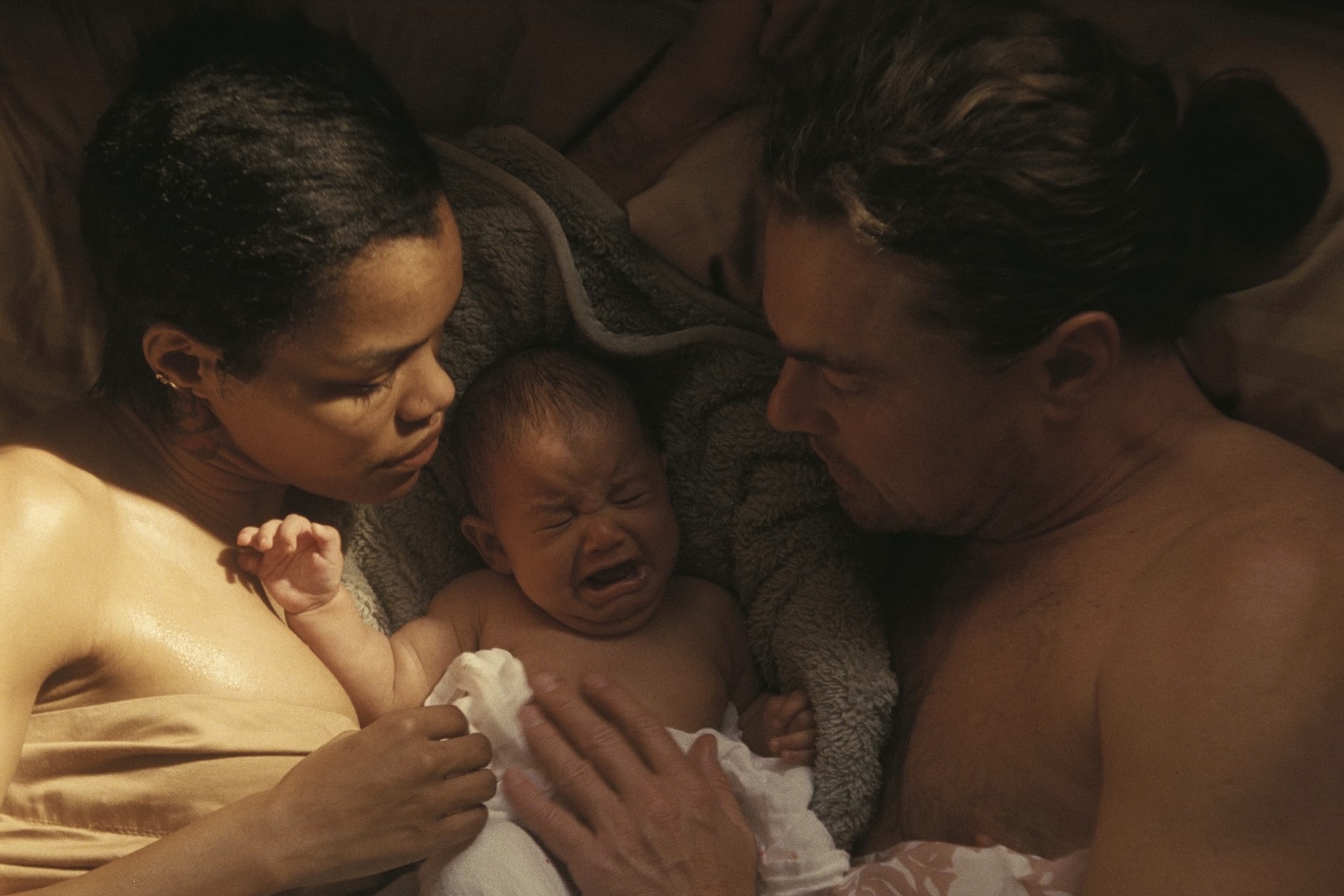
It is here that Perfidia becomes entangled with the man in charge, Colonel Steven L. Lockjaw (Sean Penn). His unhealthy obsession with her spans 16 years, through the destruction of the French 75, and after the birth of Bob and Perfidia’s daughter, Willa (Chase Infiniti).
Perfidia then abruptly leaves Bob and Willa, posing the film’s central question: Is there such a thing as a selfless cause?
“We have a daughter now, we’re a family,” Bob pleads as Perfidia packs her bags. Perhaps a middle-aged white man like him has the privilege to “sit out” a revolution — but for Perfidia, there is no rest until real change comes.
Meanwhile, archnemesis Lockjaw, whose pursuit of Willa masquerades as paternal suspicion, is driven by bigotry and insecurity.
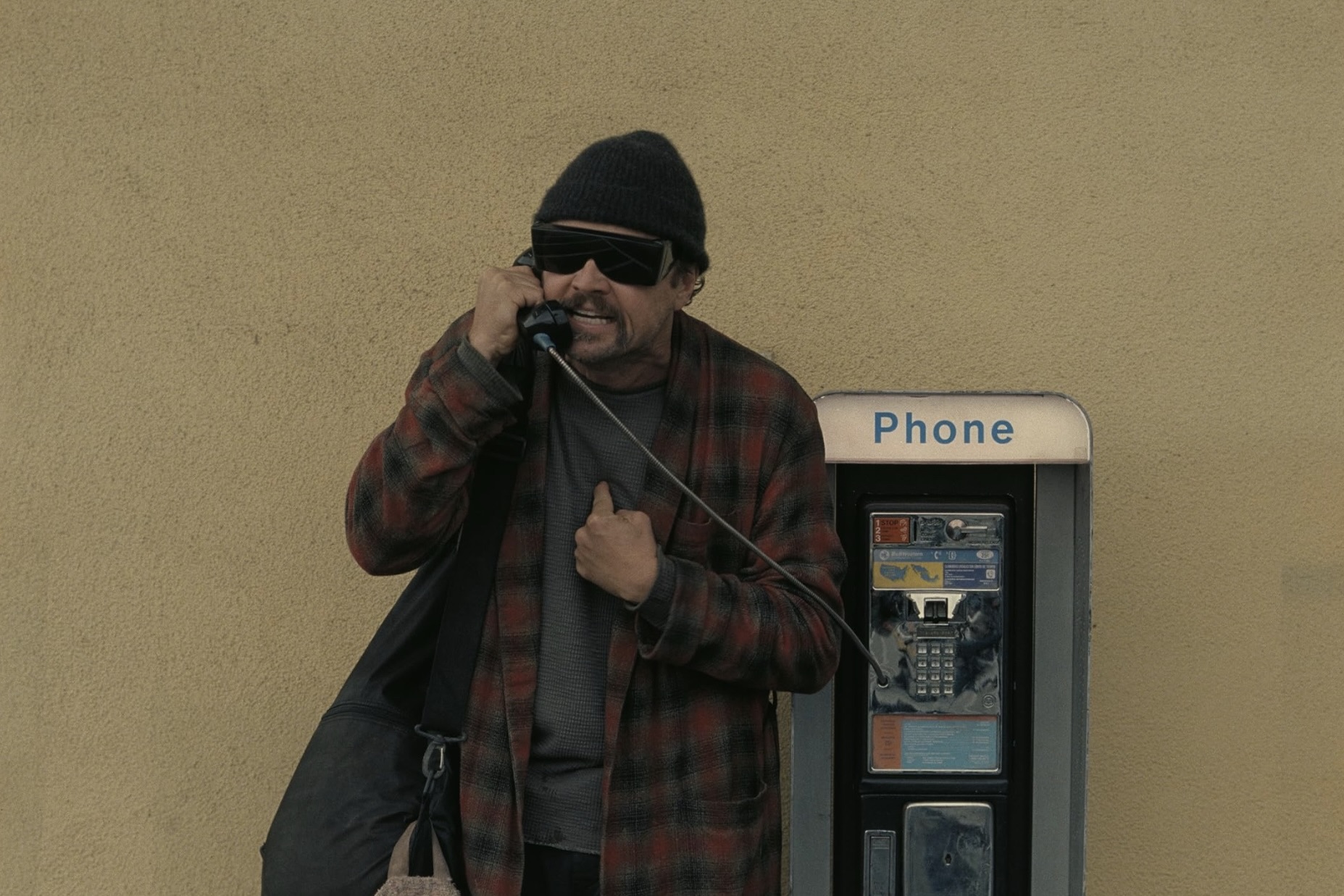
Bob, now a paranoid, perpetually high and clumsy version of his former self, desperately tries to save his daughter but fails at every turn. Yet he perseveres, seeking help from Sensei Sergio (Benicio del Toro), who has grown complacent in a world where raids by armed militants are a reminder of the sorry state of the world.
Issues of racism, state violence, displacement and the illusion of choice are rampant throughout Anderson’s sharp, poignant script.
Anderson’s films are tough to crack, embodying complex themes and interconnected storylines (see Scientology-esque The Master and ensemble-led Magnolia). What remains constant: his achingly-human characters and the crux of his stories depicting love and perseverance.
As politically charged as One Battle After Another is, Bob and Willa’s bond is what drives the narrative home. The film bridges the best of Anderson’s touch, as he shows the fight for love is no less revolutionary than war against a politically timely narrative.
Beyond its themes, the film also fires on all cylinders in every other department.
Collaborating again with cinematographer Michael Bauman of Licorice Pizza, Anderson uses motion to amplify tension to an extreme.
The climax boasts what might be the greatest car chase ever put to film, framed like a painting and kicked up another notch through Jonny Greenwood’s impeccable score.
DiCaprio, now 36 years into his career, delivers one of his best performances ever. His Bob captures every flaw and strength with striking authenticity and a depth that transcends the script.
Chase Infiniti’s screen debut as the emotionally-touching Willa is a revelation, bringing the raw presence of a vulnerable but restless teenager. Teyana Taylor, though absent for the second half, commands the screen with her ferocity so completely, that her presence lingers long after she’s gone.
All the elements of radical politics, riotous comedy, explosive action and tender drama are woven together into what is undeniably Anderson’s biggest film yet — with a $22 million opening weekend and near-unanimous critical acclaim.
It’s not just a movie. It’s a call.
“Viva la revolución!” Bob yells, armed and uncertain but determined.
Riots burn in the background as people run through tunnels to evade soldiers. Willa attempts to fend for herself, and through it all, no film title has ever rung more true.
As the characters prove, the human spirit refuses to break, even at the heart of upheaval — and there is always something worth fighting for.
Featured image from IMDb.