

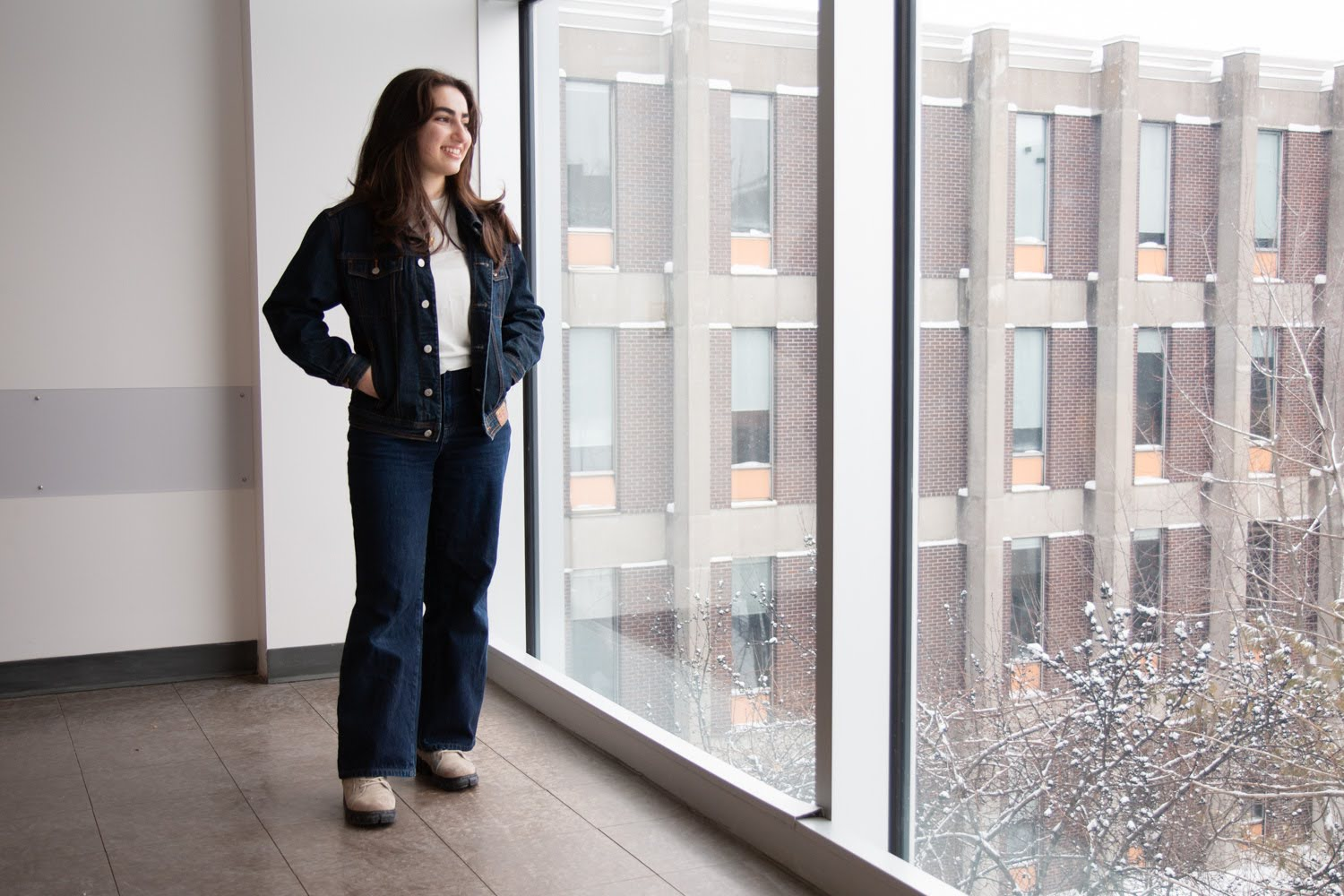
Before volunteering, Khadija Bazza did not feel at home in Canada.
“I felt really isolated and I kind of hated it,” she said of her early days as a Canadian immigrant.
It was only when Bazza started giving her time that her experience transformed. Bazza said the people through volunteering turned out to be some of the kindest, smartest and most hardworking people she had ever met.
Bazza, who now volunteers with children with Down syndrome and immigrant women, said volunteering brings joy by creating connections across communities.
Nearly eight in 10 Canadian-born people of colour and almost seven in 10 racialized immigrants volunteer, according to the latest data from Statistics Canada.
Volunteers tend to be younger, more educated and have higher incomes, according to the report. Although time commitment was cited as a barrier to volunteerism, on average, people devoted 145 hours in their year to give back to their communities.
Racialized volunteers said the impact goes beyond numbers, because to them, volunteering is a key source of joy and purpose.
For many, that happiness is rooted in lived experience.
Sama Oumari, who immigrated to Canada after the Syrian Civil War broke out in 2011, primarily volunteers with immigrants and serves as co-president of Carleton’s human rights society. She said her work is shaped by her family’s journey.
“I know what it’s like to be in the position of coming to Canada and not knowing what to do and not having any means,” she said.
Oumari began volunteering with her mother at a local church. Those experiences taught her the value of community care, she said, even when her mother experienced discrimination for wearing a hijab.
Meeting newcomers and hearing about their stories and backgrounds is “really inspiring,” Oumari said.
“Many people look down upon immigrants or people that don’t have that many means,” she said.
“They’re just such interesting, educated people, and many people just shut them down because of what they perceive an immigrant (to be).”
Volunteering teaches empathy, Bazza said, especially in a time where people believe they don’t owe anyone anything.
“Because of this mindset, so many people have lost their empathy,” she said. “When they volunteer, they start to empathize with people more.”
Jai Morjaria, who helps students with resumé reviews, said volunteering lets him pay forward the guidance he received early in his career.
“I’ve been lucky enough to benefit from a lot of people’s kindness throughout my very early career,” he said. “I see it as a duty to pay it forward.”
For NDP volunteer Mahd Chaudhry, the work offered connection during a time of uncertainty.
“I’d talk to someone who distanced themselves from politics. They feel very tired with it. But talking to them, I get to have very genuine conversations,” they said.
Oumari encourages people considering volunteerism to approach it with “an open heart and a very gentle heart.”
“If you view them as a friend, you’re just helping a friend,” she said.“You’re going to have so much fun and connect with your community — so I feel like it’s a win-win.”
Featured image by Simon McKeown/the Charlatan.
This article, and all of the Charlatan’s work, is brought to you by an independent student newspaper dedicated to informing, uplifting and entertaining the Carleton University community. We are a levy-funded organization which plays a role in the broader, vibrant student culture on campus. By reading this article, you are supporting our efforts.