

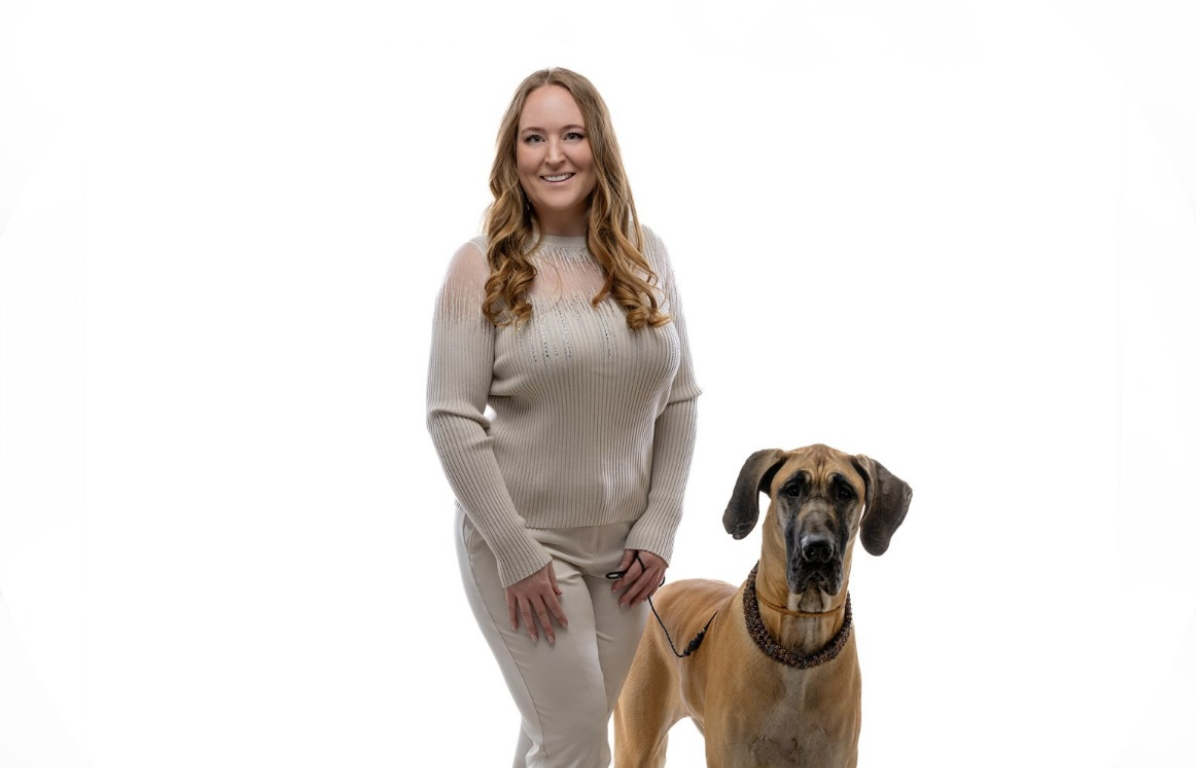
When entrepreneur and author Michelle Weger first started falling asleep in her university classrooms at 17, the teenager who dreamt of becoming a doctor was baffled.
Weger was struggling to pass her classes due to her constant fatigue.
“I had to pivot when I started falling asleep in class because you can’t be a neurosurgeon who falls asleep — it’s just not going to happen,” Weger said.
For the next five years, Weger’s check ups ruled out depression and low iron, leaving her without answers. She was finally diagnosed with narcolepsy at age 22.
Narcolepsy affects one in every 2,000 people in Canada and the United States and approximately three million worldwide, and the disorder often goes undiagnosed.
It’s one of many invisible disabilities posing a unique set of challenges for patients, Weger said.
Now, advocates like Weger are speaking up to raise awareness of the disorder in hopes it helps someone get diagnosed.
Journey towards a diagnosis
Weger first suspected having narcolepsy when she moved to Ottawa at age 21. Her first friend in the city, Rebecca Bodnar, also had the disorder and recommended Weger to see a sleep specialist.
Weger initially doubted she had narcolepsy — so much so that she and Bodnar made a bet. If Weger took a sleep test and didn’t have narcolepsy, Bodnar would purchase all of their sleepover snacks for the rest of their lives.
If she did, Weger would have to tell everyone that Bodnar was right.
“The very, very first thing [I felt when I was diagnosed] was relief because I knew what was wrong,” she said, recalling the initial days of her diagnosis. “You can’t really treat something if you don’t know what is wrong.”
In her book about her condition titled Don’t Snooze Your Dreams, Weger describes her life as being “exhausted down to [her] very bones every single day.”
While there are ways to manage narcolepsy, like taking symptom-regulating medication, there is currently no permanent cure.
“The second thing [I felt after diagnosis] was grief,” Weger added. “Immense grief — because there is no cure, it doesn’t get better as you get older or anything, it’s just this forever.”
Nature and impact of living with narcolepsy
While the cause of narcolepsy is still unknown, symptoms can include extreme exhaustion, falling asleep during daily tasks and paralysis of the muscles.
The disorder can have a severe impact on patients’ daily lives, according to Judith Leech, a trained respirologist working at MedSleep West Ottawa Sleep Centre who sees patients for sleep-related matters.
“They begin to feel sleepy usually as the first symptom — but irresistible sleepiness, not like, ‘I wanna lie down and have a nap,’” Leech said.
“It persists all the time despite an apparently normal amount of sleep overnight.”
But the impact of narcolepsy goes beyond altering sleep-wake cycles. Leech said narcolepsy can also attack the brain’s control centre cells.
Weger, who has felt the effects of narcolepsy for herself, said symptoms are not limited to routine fatigue.
In severe cases of narcolepsy, people could fall to their knees or drop something they’re holding.
Another symptom is cataplexy, the involuntary paralysis of muscles. Laughing, anger or other strong emotions can trigger muscle weaknesses.
Life after diagnosis
Weger said she regained hope when she got her driver’s licence reinstated after having it retracted following her diagnosis.
Many people with narcolepsy are not able to drive due to extreme, sudden drowsiness. There is no Ontario regulation banning those with the disorder from driving, but the Canadian Medical Association advises those with narcolepsy, who have had a cataplexy episode in the last year, not to drive.
“I didn’t know many people with narcolepsy who could drive — the majority I knew still aren’t allowed,” Weger said, adding that she hopes her example will inspire someone.

Weger said that Quinn will alert her to sit down before a cataplexy episode and will warn her when she is 15 minutes from falling asleep in public so that she can take medication.
“It’s a huge blessing. I haven’t fallen asleep in public since I’ve had her,” Weger said.
The future of narcolepsy
Specific therapy in narcolepsy treatment is “just around the corner” according to Leech, though, to date, it remains out of reach for Canadian patients.
While there is still no cure, to Weger, being an inspiration for others with narcolepsy is the most fulfilling part of being an invisible disability advocate.
“The most rewarding thing is when I get messages from people [with narcolepsy] who have read my book and they tell me that they’ve implemented something that I talked about or suggested,” she said. “I want to save other people time and energy on their path.”
Featured image provided by Michelle Weger