
IT: Welcome to Derry trades the world’s favourite crazy clown for a visually lush, narratively ambitious take on Stephen King’s most infamous town.
Following director Andy Muschietti’s monumental success with IT in 2017 — and its successor, IT: Chapter Two in 2019 — Muschietti returned to direct TV series IT: Welcome to Derry alongside his sister Barbara Muschietti and Jason Fuchs. The pilot episode was released on streaming on Oct. 26.
Welcome to Derry is an expansion and prequel of the two original IT films, returning to 1960s Maine. Its scope is much larger, following convoluted plot lines intertwined in unexpected ways, with the first few episodes following a group of kids on the hunt for their missing friend.
Since this story has already been told, the show doesn’t meander on it. Instead, it moves around an ensemble of characters ranging from military personnel to store owners.
The online discourse surrounding Welcome to Derry was a mixed bag after similar film-to-TV adaptations like Alien: Earth received so-so reviews for seemingly latching onto the source material to boost its popularity. Welcome to Derry is a fresh and unique exception, building further upon an already enthralling narrative.
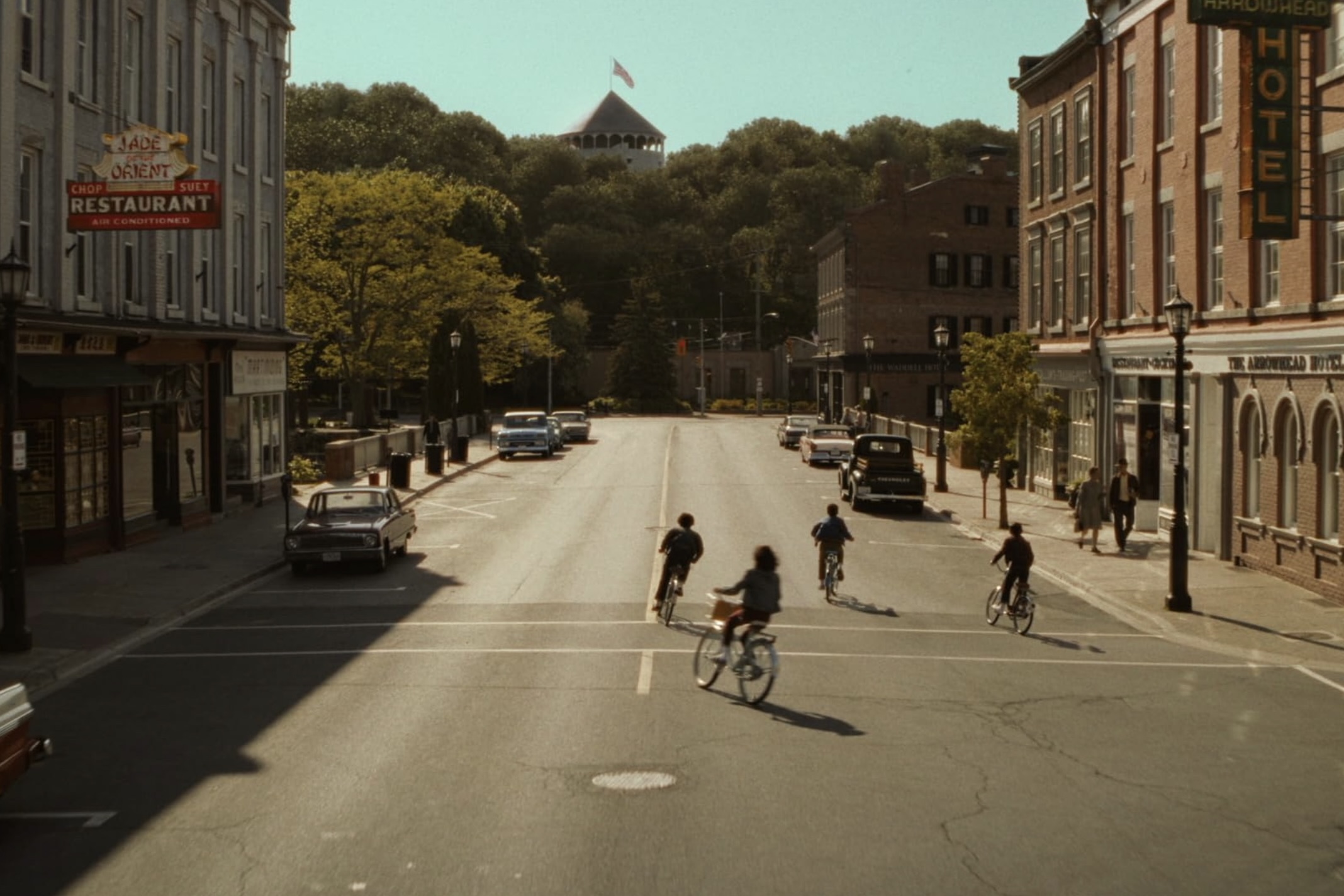
Derry is also a treat for the eyes. Warm colours and great use of shadows create a vivid atmosphere and capture a sense of nostalgia. The cinematography captures the esthetic reminiscent of movies regularly shot on film, with a haze or graininess glossing over King’s world.
The creative team’s authentic 1960s American set oozes with detail, from plaid vests and mod dresses to old Coca-Cola ads to a 1957 Chevy parked on the side of the road. Derry feels simultaneously weathered and new.
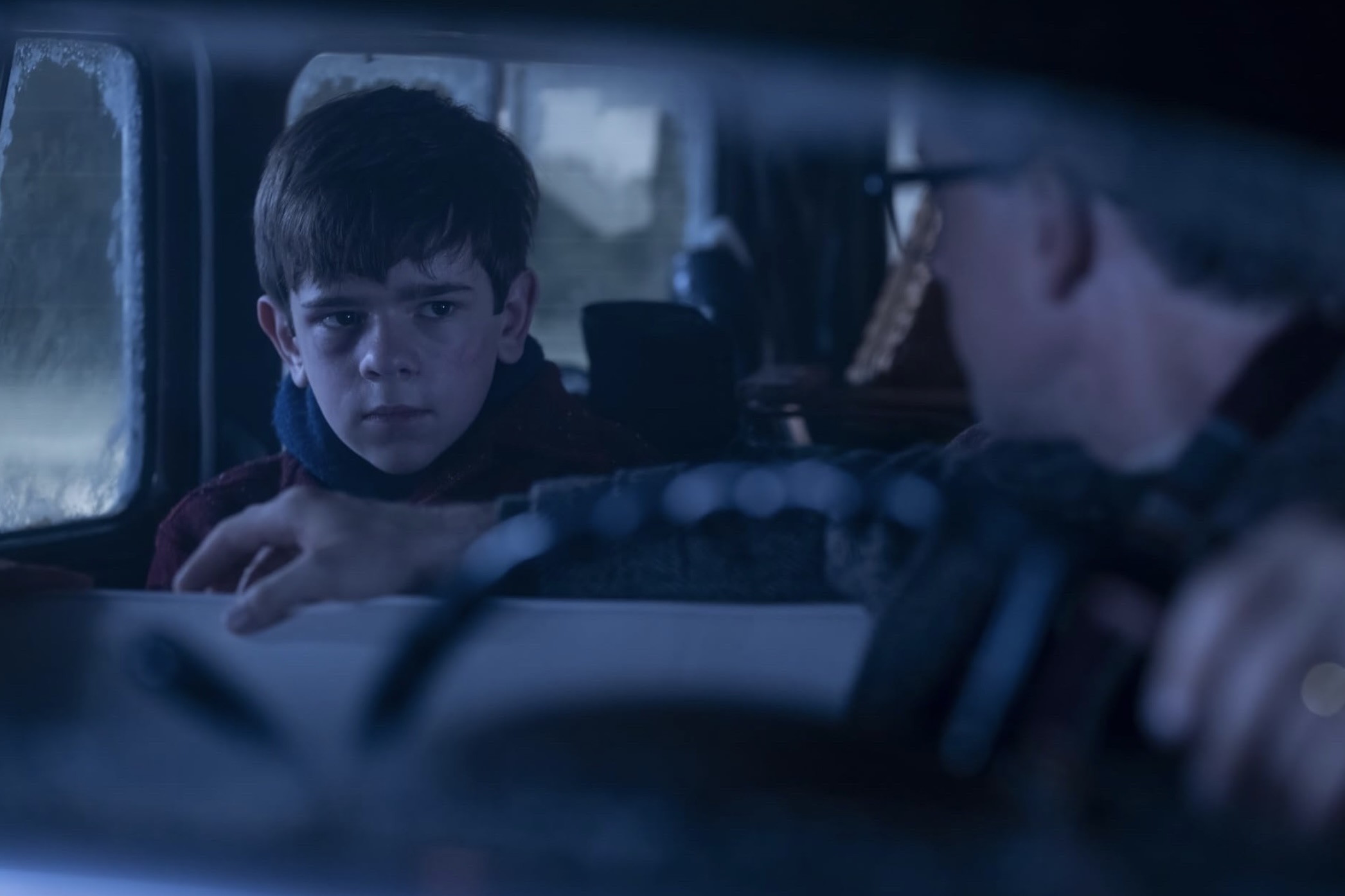
Muschietti also clearly understands the force that is the terrifying IT. The creative team took the bold approach to not feature Bill Skarsgård’s Pennywise in any of the first three episodes, despite being such a prominent force in the first two films. Pennywise is a larger-than-life foe who brings more than mere creepiness: he’s a corrosive force that feeds off of his victims’ greatest fears.
During the pilot episode, IT transforms into a demonic two-headed baby with claws, fangs and wings that initially seems goofy, but this iteration of Pennywise represents his return to Derry in a symbolic rebirth. The mutated baby acts as an allegory for the fear of a nuclear fallout during Cold War America.
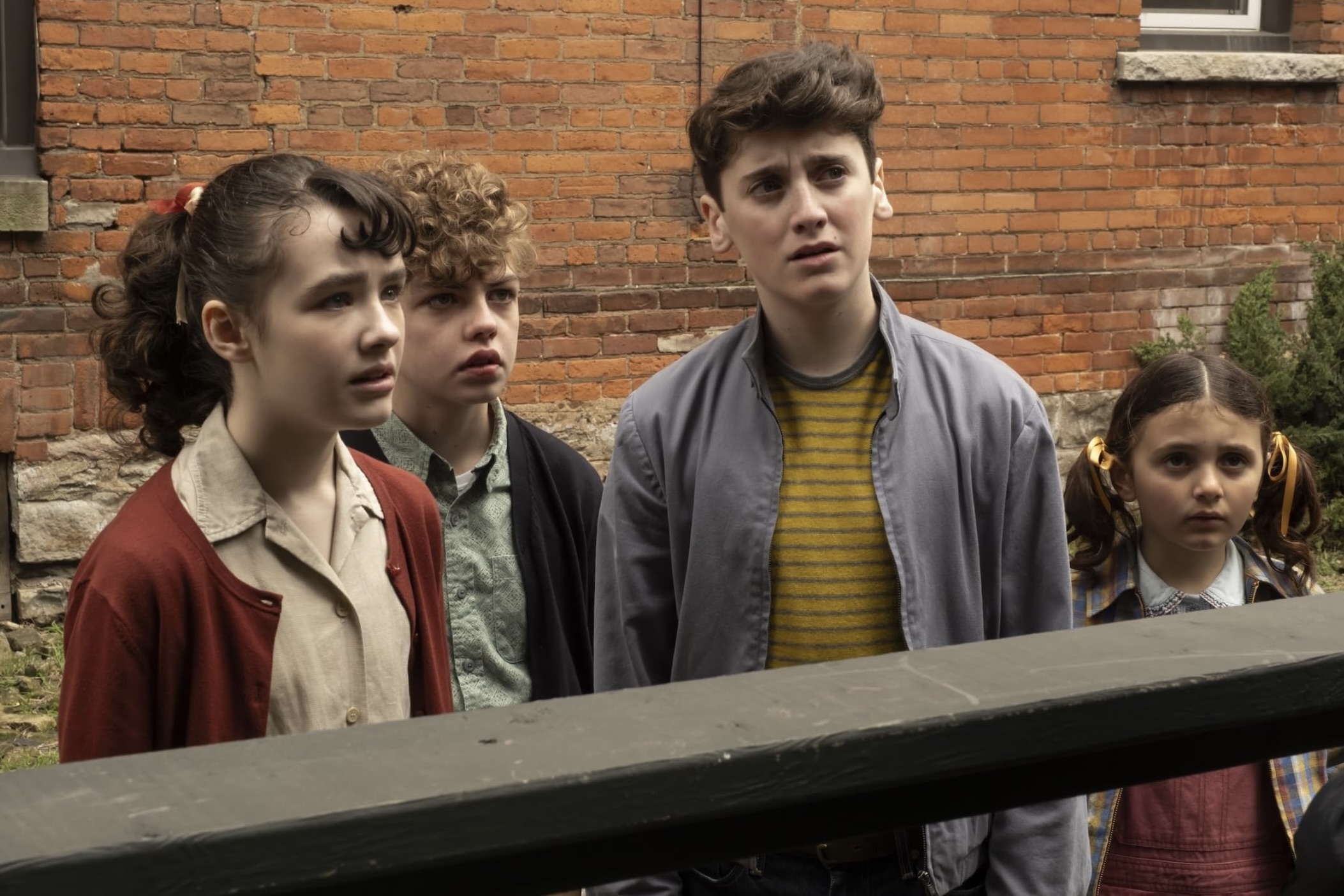
Pennywise’s changing manifestations detail the show’s overarching exploration of trauma, passed down to each of our protagonists. Lead characters Ronnie Grogan (Amanda Christine) and Lily Bainbridge (Clara Stack) are prime examples, with Pennywise manifesting as the death of Ronnie’s mother and Lily witnessing her father’s death.
Clara Stack is exceptional as Lily, teary-eyed screams as she witnesses horrors. Amanda Christine as Ronnie is equally great, delivering a heavy weight of anxiety through robotic, uneasy movements.
While each episode has outdone its predecessor, the final confrontation with Pennywise in episode three falls flat with its over-the-top, cartoonish horror and hilariously bad CGI. It’s worsened by Pennywise’s manifestation as a group of babbling, screaming ghosts that fails at creating stakes in a shallow attempt at a cat-and-mouse scene.
That said, Welcome to Derry excels in every other regard. It is a worthy successor of the source material that wonderfully expands upon Stephen King’s novel.
Featured image from IMDb.