

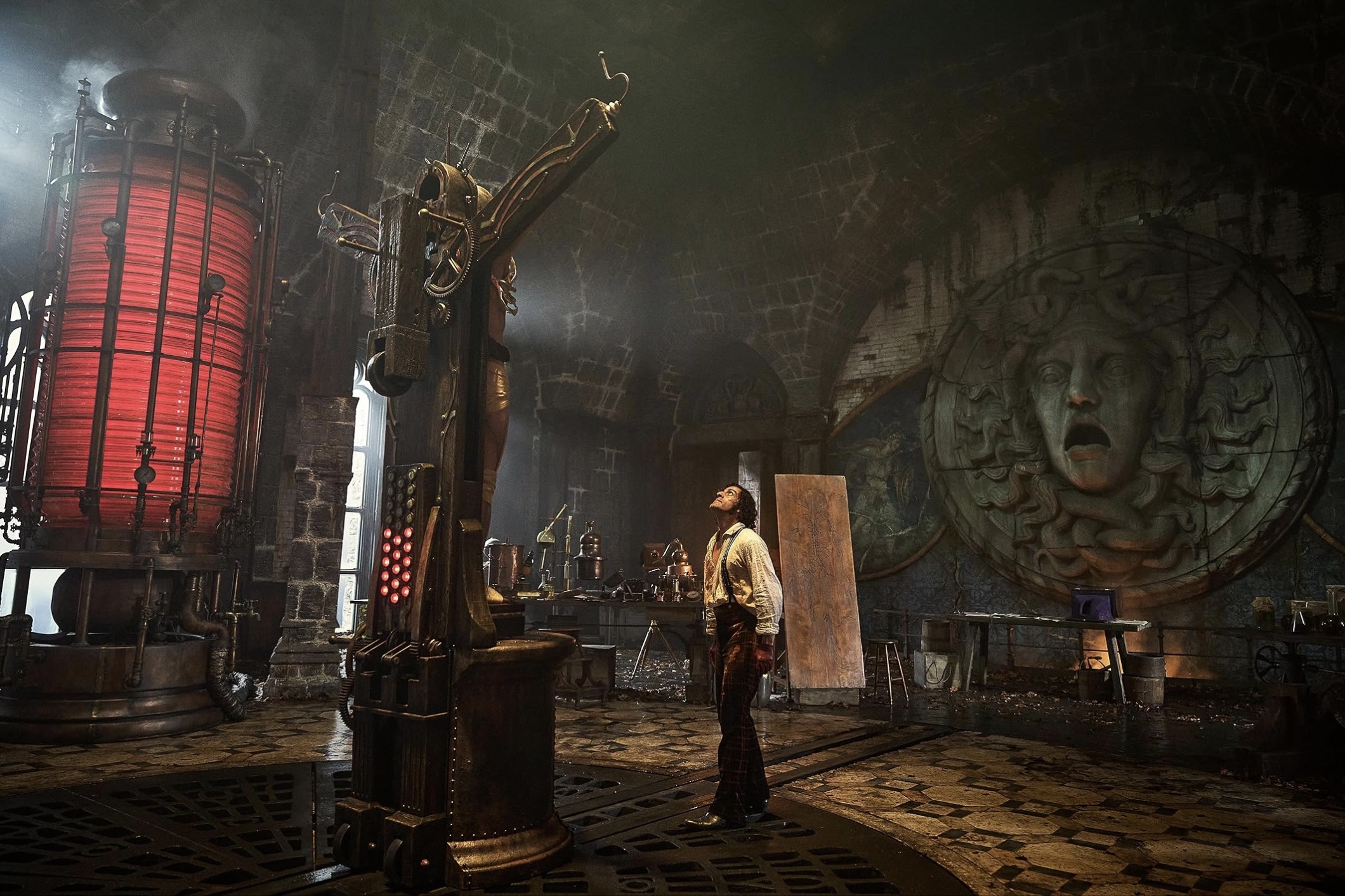
Guillermo del Toro’s Frankenstein isn’t the monster blockbuster its title might suggest. Instead, it delivers an aching picture of a desperate plea for connection that is met with silence.
Long before del Toro made Pan’s Labyrinth or The Shape of Water, the director spoke about wanting to adapt Mary Shelley’s classic novel, calling it a story that shaped him.
The filmmaker has never been one for subtleties, and his lifelong fascination for the extravagant is evident in every frame of this new film, released on Netflix on Nov. 7.
The plot follows a misguided scientist who creates a sentient monster out of corpses to conquer death and renew life, stripping Shelley’s novel down to its emotional marrow. It reframes the cautionary tale of scientific ambition into a tragedy of failed empathy.
Jacob Elordi’s portrayal of the monster, known as “The Creature,” is raw, vulnerable and instantly pitiable, personifying moral failure. The Creature moves through the world with a newborn’s innocence.
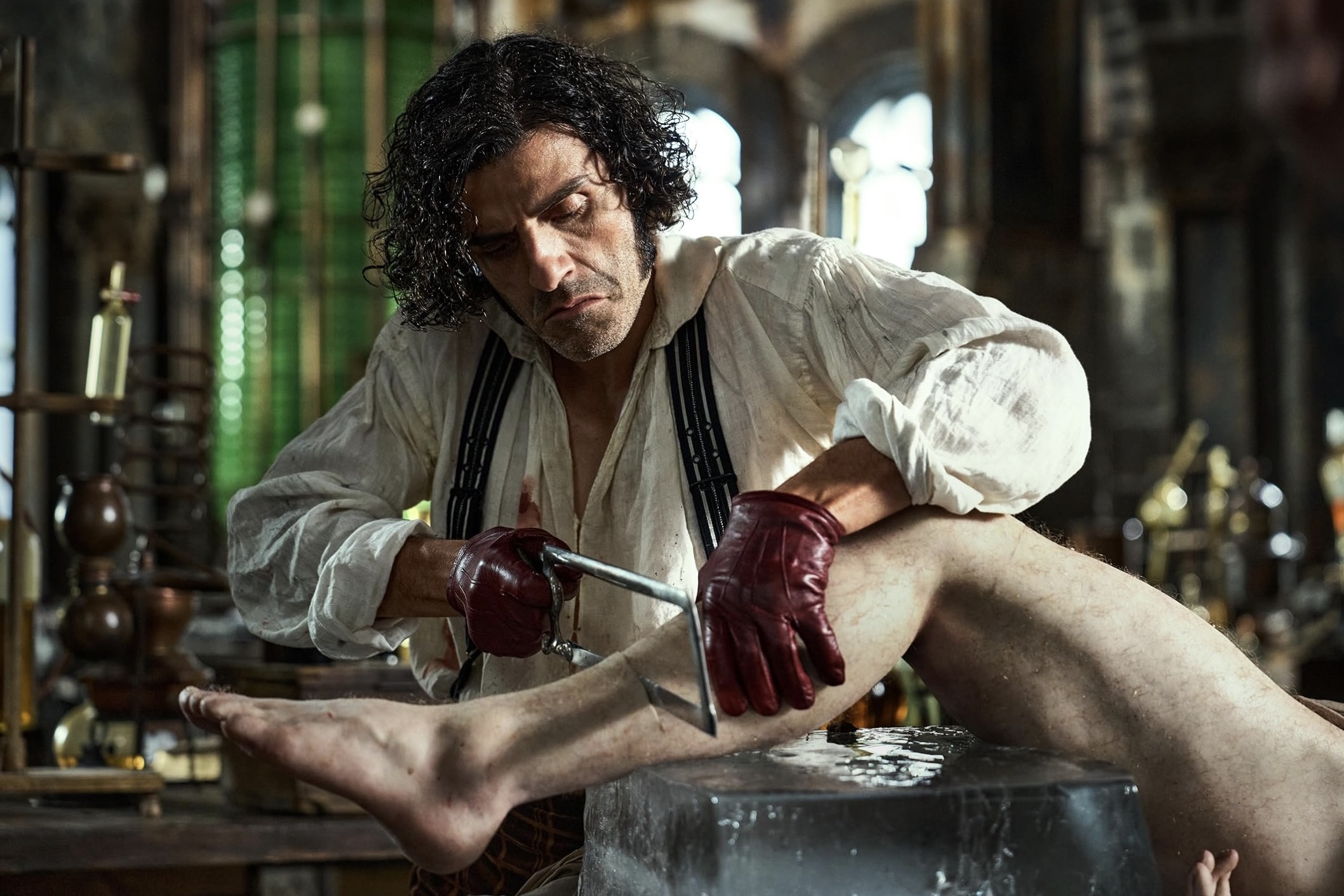
Oscar Issac is our Victor Frankenstein, a mad doctor breathlessly pursuing an unholy dream of reanimating the dead. In scenes of his laboratory, viewers are inundated with cadavers, severed limbs, skulls, elaborate scientific devices and blood — lots of it.
The plot of the film strays from the popular text we all know.
But make no mistake, this rendition is del Toro’s very own creature.
Frankenstein begins with a prelude set in 1875, when Captain Anderson’s doomed Arctic expedition rescues a wounded Victor Frankenstein from the scene of an explosion.
In the first act, Victor describes his troubled childhood rife with rejection, the driving force towards his lifelong ambition of circumventing both birth and death, culminating in The Creature’s creation.
The film shifts to The Creature’s perspective in the final act, as he gains intelligence and confronts the cruelty of humanity. The camera lingers on Elordi’s eyes, brimming with tears, emotion and sometimes even a hard, monstrous glint.
Victor and The Creature’s relationship is the foundation of the film and del Toro builds their dynamic with a wounded intimacy.
Elordi’s Creature is towering and hesitant; each waking breath is marked by the knowledge that his existence is dependent on someone who fears him. Issac plays Victor as a flawed man with an inability to love and empathize. He hides behind his skill, and his ambition becomes an escape.
When The Creature asks for answers, Victor retreats, and when the Creature seeks compassion, Victor recoils.
Their scenes together operate like a wound-up game of tug of war, with one character begging to be recognized, and the other refusing responsibility for the life he created.
Visually, the film is stunning. The meticulous craftsmanship is evident in every frame, from the landscapes to the muted Victorian colour palette and gothic architecture.
The stitching on The Creature’s body is incredibly intricate, almost artistic, and rather than grotesque seams, the lines are smooth and cohesive, turning his skin into a work of art.
While this film does not feature the iconography we all know — bolts, lightning and the shouts “it’s aliiiive!” — del Toro offers introspection.
Frankenstein is a striking reflection of isolation, responsibility and love that is withheld. It’s a film that lingers because its horror and terror are startlingly human.
Featured image from IMDb.