
How did women keep Canada afloat during wartime? Their contributions run much deeper than nursing, according to an independent historian.
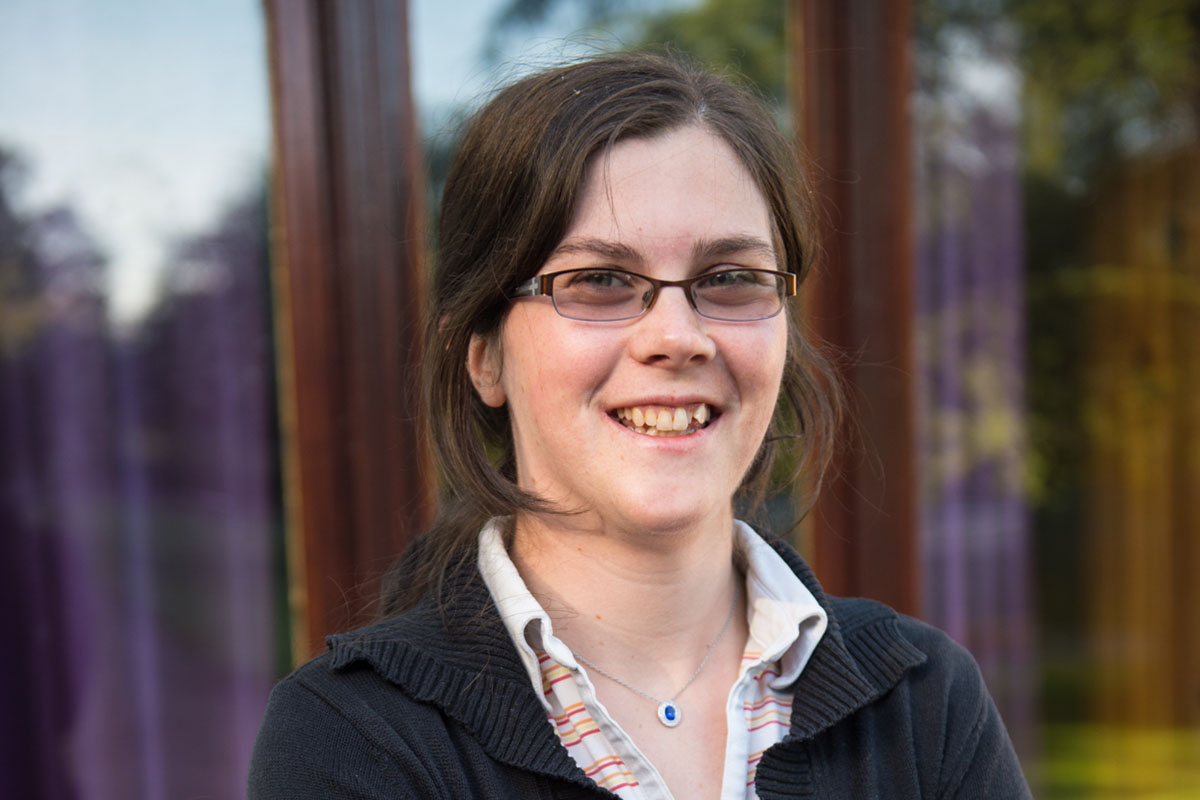
Sarah Hogenbirk kicked off Carleton’s department of history’s 2025 Shannon Lecture series on Monday with a discussion of her research on Canadian servicewomen and women veterans after World War II.
The lecture also featured a book launch for the McGill-Queen’s University Press’ Cold War Workers. Hogenbirk wrote a chapter of the book related to her Shannon Lecture called “Constructing the Military Career Woman, 1950s–60s.”
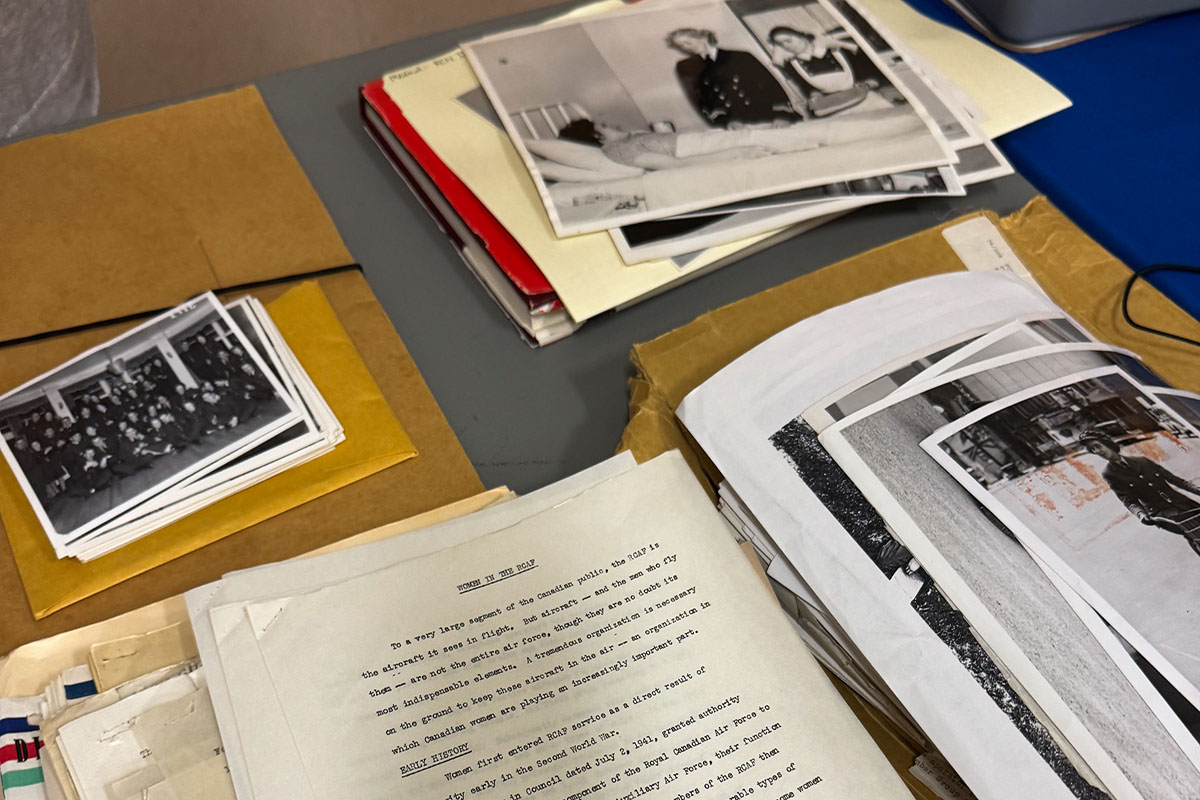
Hogenbirk’s research highlights what she says is a forgotten demographic when discussing war history, providing a lens into the “expansion, contraction and a constant debate over women’s roles in the Canadian military.”
“As a researcher, I’m always asking ‘why,’ and this led me to all of this understudied part of Canadian history.”
Jean-Michel Turcotte, a Carleton history professor and historian at the Department of National Defence, opened the lecture by speaking about the importance of work like Hogenbirk’s to the study of Canadian history.
“War is really about people,” he said. “The study of war is really the study of society, a highlight into what was important to people at the time.”
“I believe that it is important to change the way we view what we see as a ‘veteran’ and remind ourselves that women are part of this demographic too,” Hogenbirk said.
“They are part of this community too, and they deserve to be heard.”
Hogenbirk’s work explains the barriers faced by women within the military “to ensure they would not interfere with men’s careers.” She said barriers to taking part in combat ensured they could not be promoted.
Hogenbirk said she hopes her research raises awareness of Canadian women’s military history beyond nursing.
“I hope they understand the real, invisible history of women within the Canadian military, the stories that are untold.”
There are several reasons for why this history is often overlooked, according to Hogenbirk.
“Women at this time were not in combat, making this part of history not as ‘captivating’ as opposed to other parts of military history,” she said.
“Along with this, gender historians often view the military as a patriarchal space, wanting to avoid the space when talking about women’s roles,” Hogenbirk said.
Turcotte said he believes Hogenbirk’s work is not just an interesting topic, but a necessary part of Canadian women’s history to learn.
“I believe that it is important to uplift voices who might have otherwise been unheard,” he said. “Focusing on the marginalized voices in history is important for a deeper understanding of the past.”
Turcotte said he hopes to use Hogenbirk’s research to educate people on both military history and women’s social justice.
“I would like to highlight the injustice done to women veterans, to continue the conversation they started about women in the Canadian military.”
Hogenbirk will continue to present her research at the Canadian War Museum on Oct. 2.
__________________________________________________________________________________________
Featured image provided by Sarah Hogenbirk.