
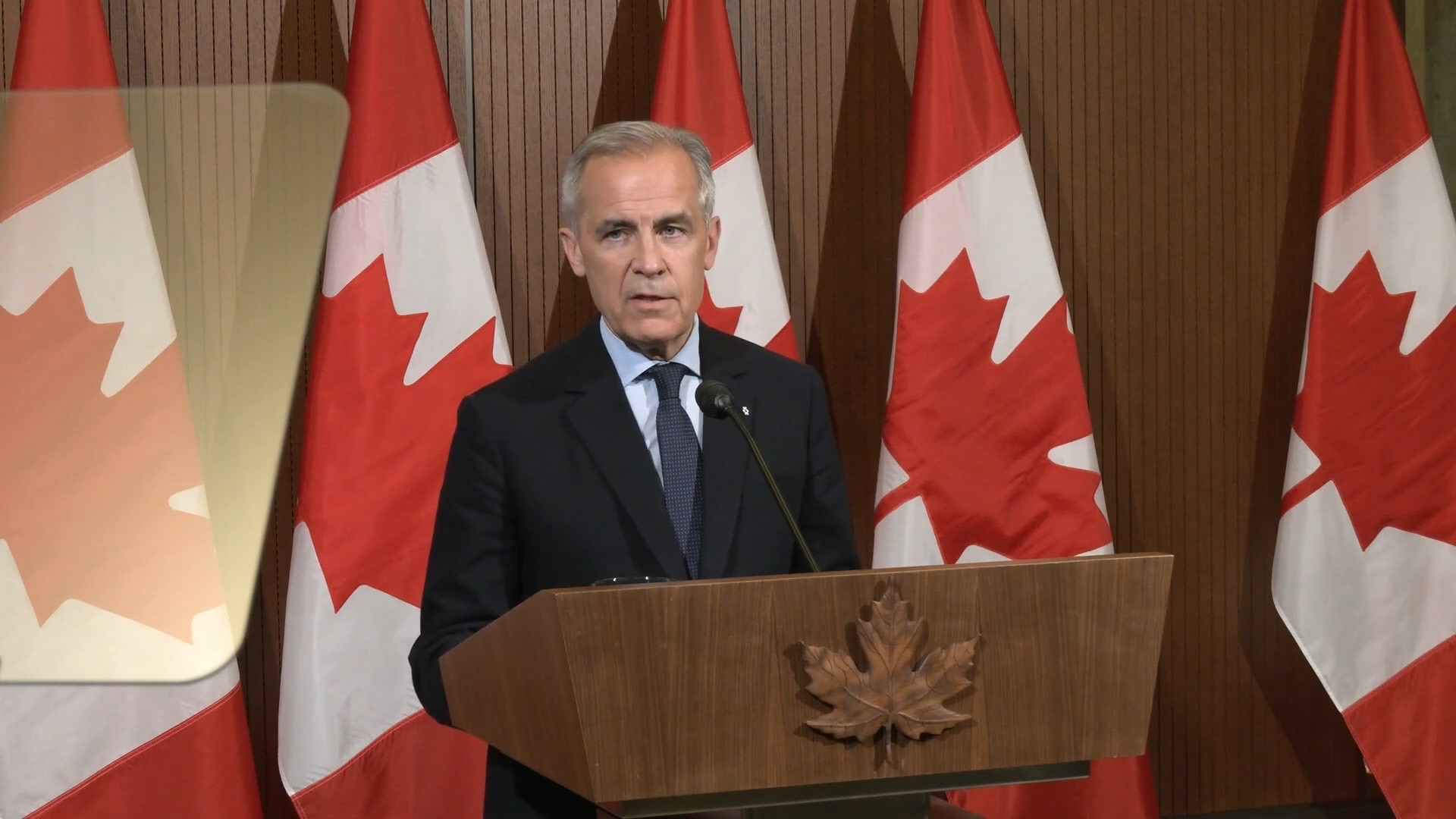
Eighty years after U.K. Prime Minister Winston Churchill set the tone for a post-war world order, Canada’s own prime minister, Mark Carney, gave that order its post-mortem report card — and the results aren’t good.
In a stirring speech at the World Economic Forum in Davos, Switzerland last month, Carney spoke of the end of the post-war consensus and the beginning of a world where middle powers can no longer rely on the hegemony of the United States.
“We are in the midst of a rupture, not a transition,” Carney told the gathered leaders. The American-led world order, which emerged from the ashes of the Second World War, has met its end, the former central banker argued.
The prime minister’s speech represents a watershed moment in Canadian foreign policy, echoing the tone of Churchill, who himself heralded the beginning of the postwar order in an address 80 years ago.
In the spring of 1946, Churchill laid out his vision for a world where Western liberal democracies banded together to end tyranny and form a united front against the Soviet Union. Carney’s speech, like Churchill’s before him, focused on the position of the U.S. in the world and what that means for other nations.
Churchill praised what he called the “special relationship” between the U.S. and the British Commonwealth, and drew attention specifically to the relationship between Canada and the U.S.
The British icon argued the best way forward was for the U.K., Canada and other Western allies to unite under the leadership of the economically and militarily dominant U.S. to seek world peace and stability.
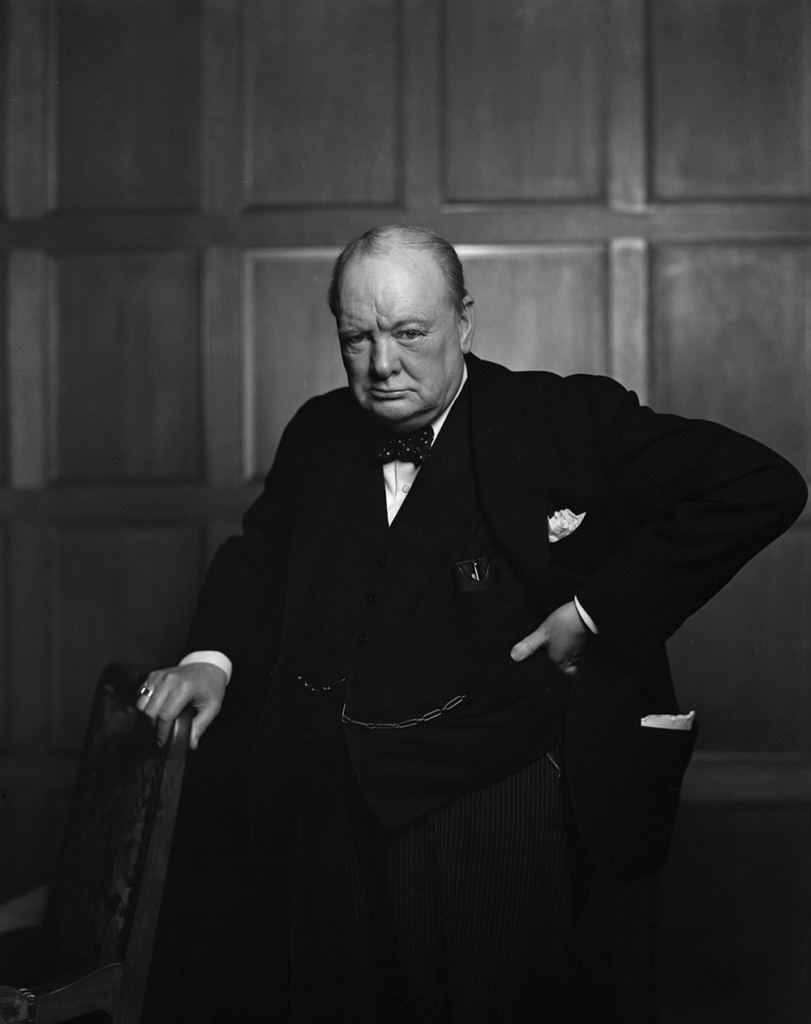
In his speech, Churchill opened by saying that the U.S. was at the “pinnacle of world power.” It no longer is, and as a result, Carney’s speech before the WEF reads like an inverted version of Churchill’s address.
In Davos, Canada’s prime minister underlined the current reality: the U.S. is no longer the apex predator and the jungle is a lot more crowded – more than it’s ever been.
This crowding on the world stage is leading the world’s powers to flex their muscles, in an era of “great power rivalry,” Carney argued.
Carney calls on the middle powers of the world, such as Canada, to band together under a system in which “the most powerful pursue their interests, using economic integration as coercion.”
In his rousing address in 1946, Churchill called on the middle powers to wake up and realize the threats of the day, mainly the rapidly escalating standoff with Moscow, and called on the allies to band together to meet this tidal wave of change.
Almost a century after Churchill warned of the threats of a coming Cold War, Carney is calling for action in the face of a new and more crowded one.
“The powerful have their power,” Carney closed.
“But we have something too – the capacity to stop pretending, to name reality, to build our strength at home and to act together.”
This article, and all of the Charlatan’s work, is brought to you by an independent student newspaper dedicated to informing, uplifting and entertaining the Carleton University community. We are a levy-funded organization which plays a role in the broader, vibrant student culture on campus. By reading this article, you are supporting our efforts.