
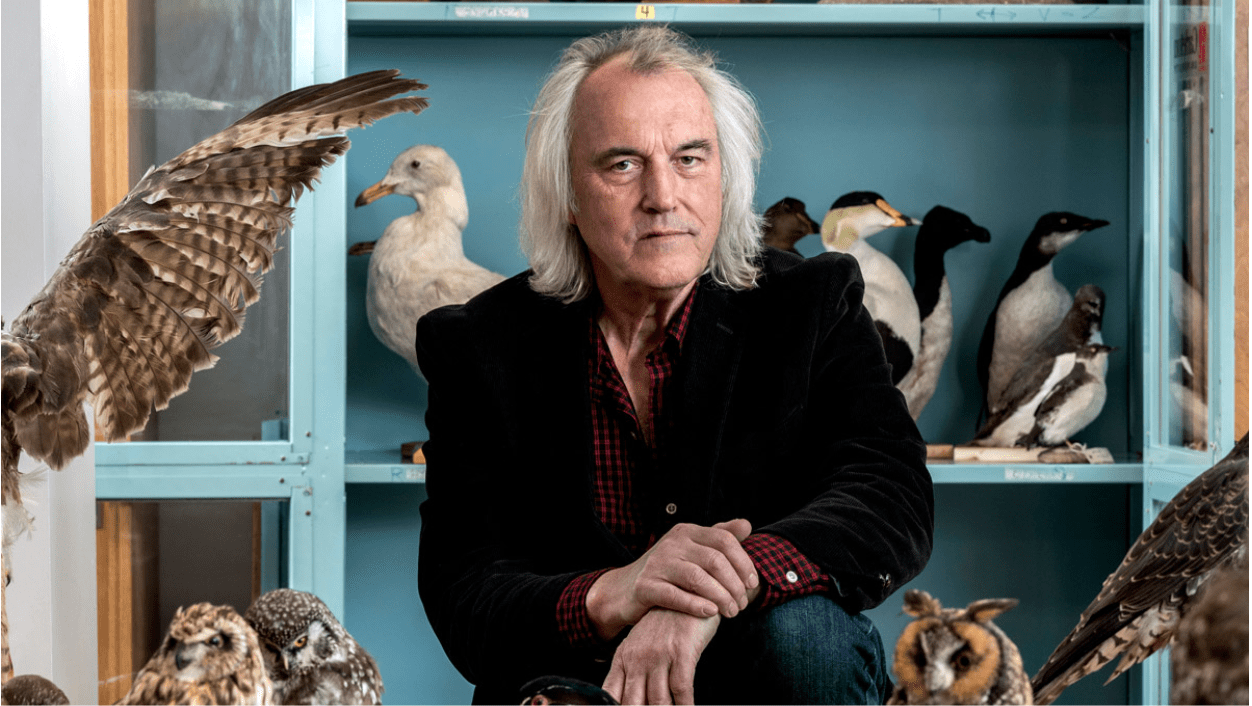
Michael Runtz entered his 11:30 a.m. Natural History class at Carleton University with a pinecone and a blow torch. As Runtz, knows, pitch pinecones only disperse their seeds in extreme heat, and as there are no wildfires in Loeb classroom C246, a blow torch will have to suffice.
Runtz has taught more than 100,000 Carleton students about plants and animals, instilling a deeper appreciation for nature through his quirky sense of humour and almost unbelievable knowledge of Ontario’s flora and fauna.
His passion for the natural world has had “a lasting mark on our university and on so many thousands of people who have passed through these doors,” said Maria DeRosa, the dean of Science at Carleton, who took Runtz’s course when she was an undergrad student at Carleton.
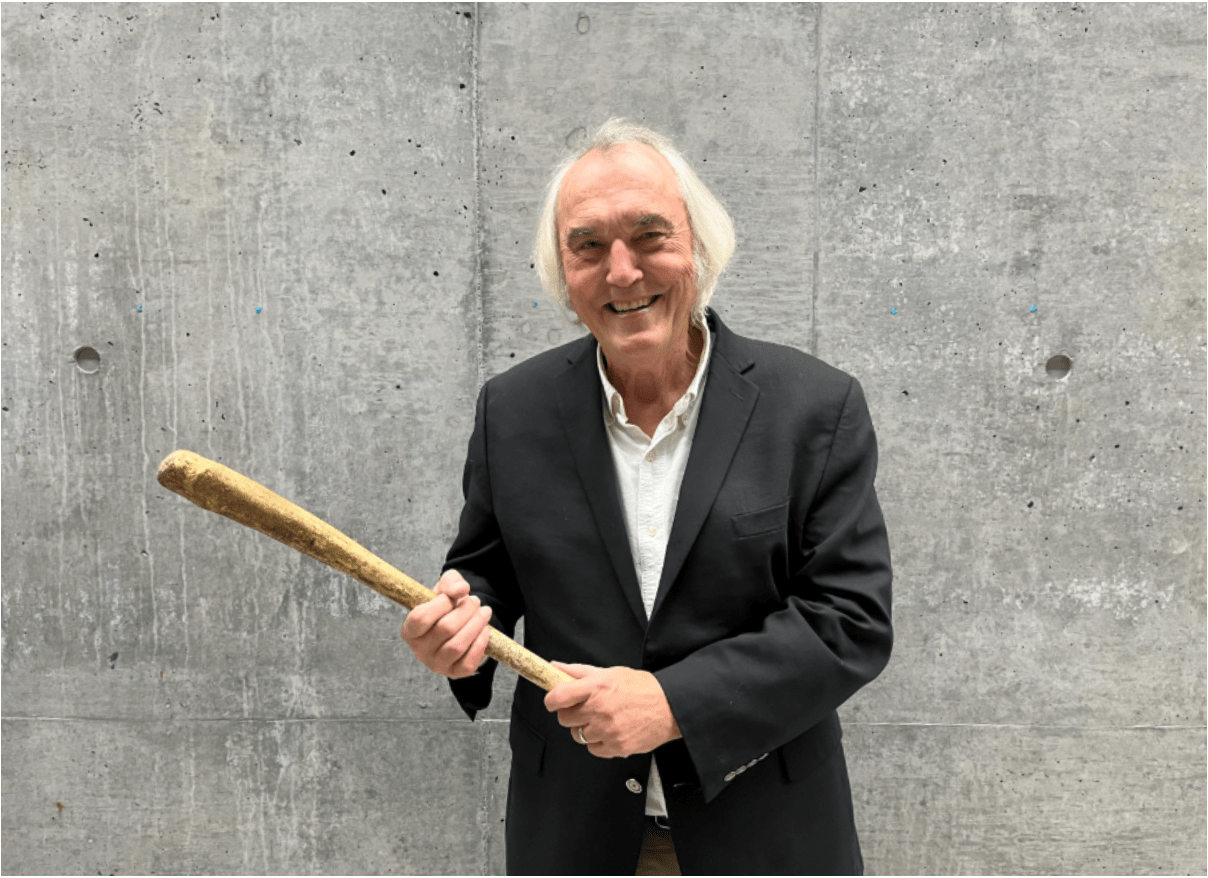
After 38 years of teaching at Carleton, students, faculty and members of the naturalist community gathered earlier this month to celebrate the beloved professor who retired last July.
“He’s one of my heroes,” said Christopher Dennison, who took Runtz’s class almost a decade ago in 2014.
“I can remember seeing Baltimore orioles,” he said. “That moment changed my life.”
As a twelve year old, Runtz continued to water the seed of his interest by reading weekly bird columns written under the alias Hawkeye, an over six foot man named Bud Levy who owned the Arnprior Guide newspaper.
When Hawkeye advertised a Christmas bird count, Runtz desperately wanted to attend. There was only one problem: those who wanted to participate had to go in person and register at the newspaper.
“I was a shy introvert, I had trouble speaking in a store, let alone a newspaper office. I memorized my speech for a week. I was so nervous back then, I would speak at about 200 miles an hour, and no one understood me.”
Runtz went on that bird count and will attend his 60th consecutive event of its kind this year after he began running them in 1970.
Runtz learned how to communicate with care through the 13 years he spent giving public speeches and nature walks as a seasonal naturalist in Algonquin Park.
“But there was one thing I couldn’t teach him, something that he had in spades, which was enthusiasm — and it was so infectious,” Strickland said.
A ‘superhuman’ enthusiasm
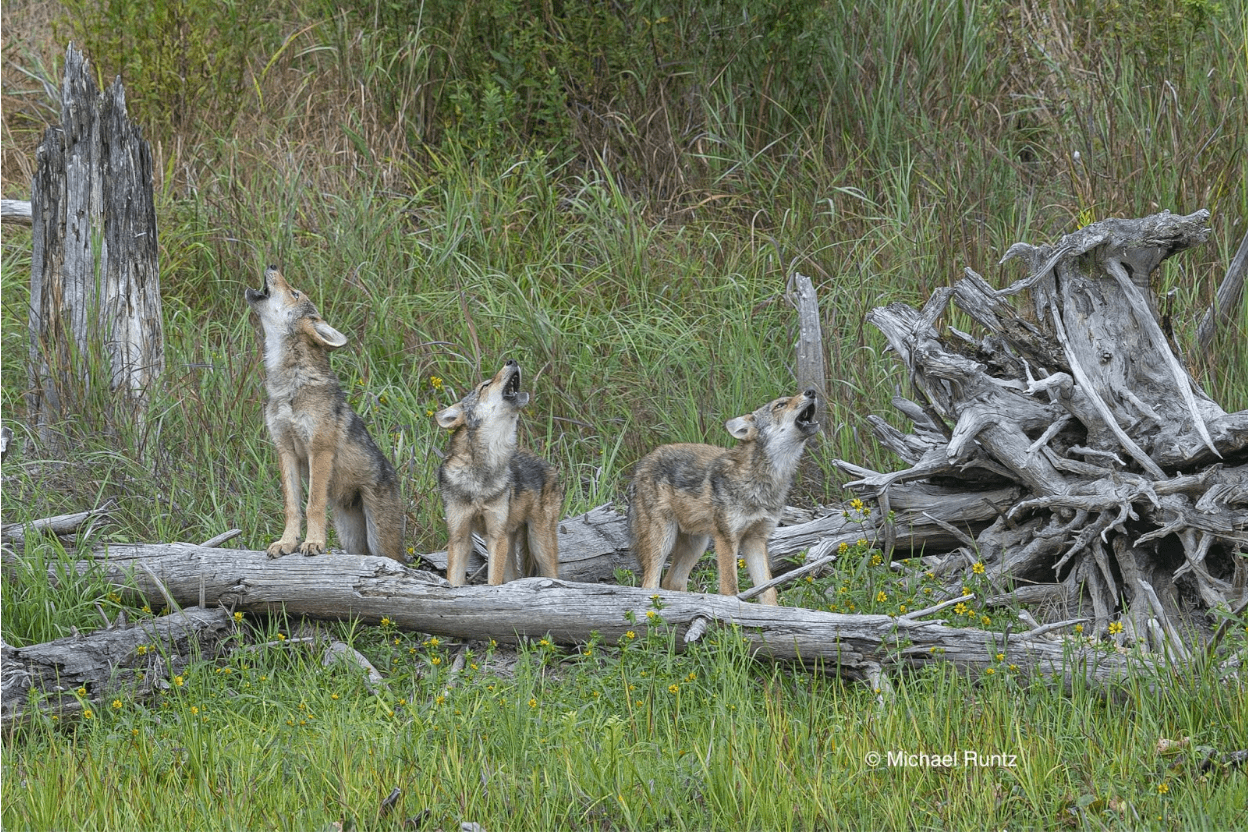
While riding in a Ministry of Natural Resources vehicle near Brewer Lake, Runtz saw a wolf for the first time. With great excitement he grabbed onto Ron Tozer’s shoulder, another mentor from his time at the park, who was sitting in front of him.
So great was his “superhuman” energy it gave Tozer a shoulder injury, he said.
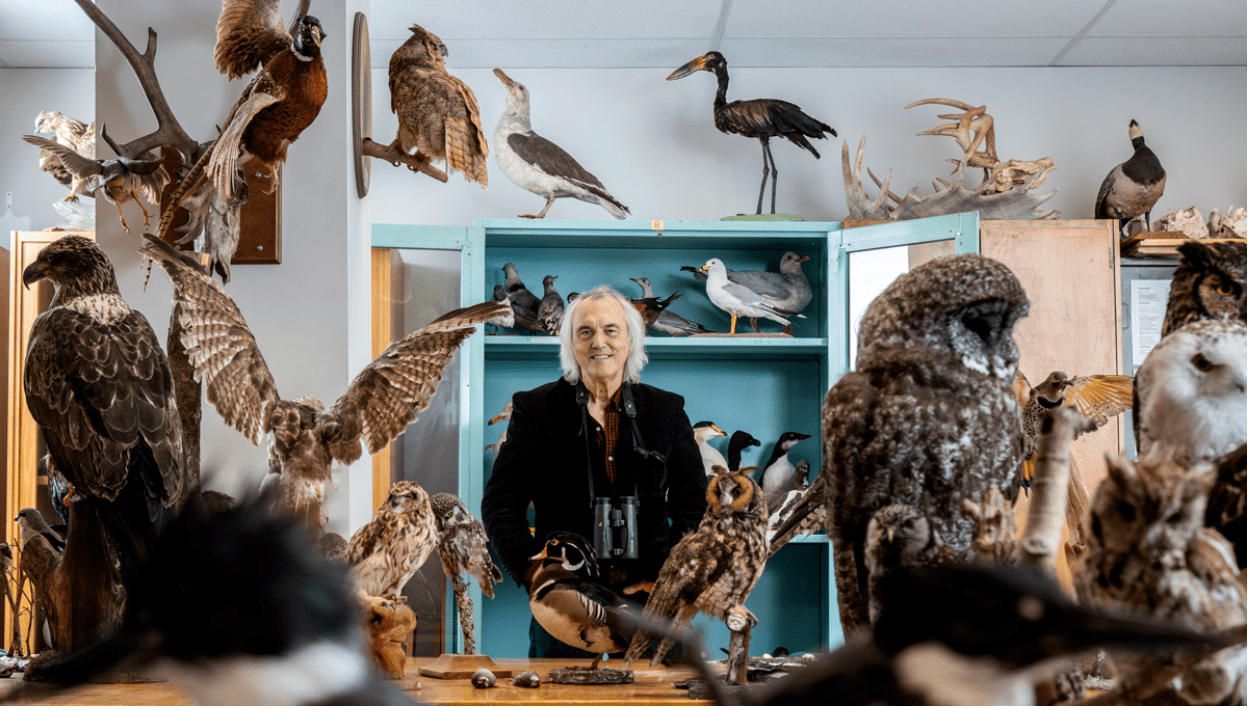
When Runtz started, the course was set to have around 75 students a year.
Over his last three decades of teaching, that figure grew exponentially, climbing to 1,600 students taking it online in the winter term last year.
His lectures were highly visual, each averaging 200 photos of natural life. These images were married with Runtz unique sense of humour, like when he advised students not to wear thongs when out in nature and to instead opt for undergarments that could be used as an emergency hat for warmth. Runtz learned this trick after forgetting a toque on an animal survey in northern Ontario.
“Could you imagine putting a thong on your head? It’d be completely useless!” Runtz quipped.
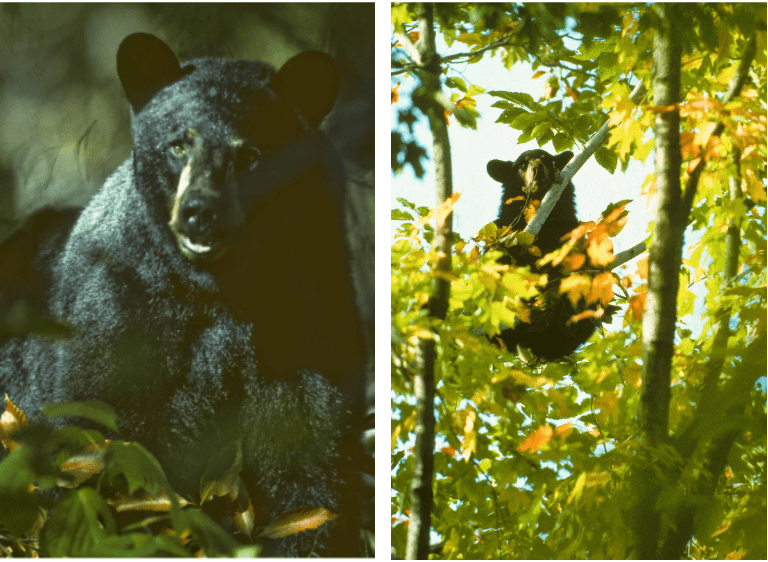
Many of the photos came from Runtz’s own personal experiences in nature. In autumn, bears in Algonquin Park climb beech trees to find nuts. So, one afternoon Runtz laid on a pile of wilted leaves under the trees before daybreak.
“Finally, I could hear cracking above me, and when dawn came, there were three bears in different trees above me. I’m taking photographs, I’m being very cryptic, very quiet, tripod in front of me and then I heard a stick crack to my side.”
“I slowly turned over… and the biggest bear that I’ve ever seen in my life was 5.2 metres from me and staring at me.”
‘Anyone can be a naturalist’
While he lectured on the intricate workings of biomes across Ontario, it was the impression that all nature, no matter how small, was remarkable that stuck with many students.
“When Mike speaks about nature, you can tell he’s just as excited to share a photo of a bird that he’s seen a million times like he’s sharing it for the first time,” Dennison said.
Dennison took the course as an elective during his bachelor of political science at Carleton, but Runtz’s passion for every living thing led him into a career studying wildlife. Last year, Dennison defended his master’s thesis researching urban bird populations.
Runtz believed that nature is art. From ice bubbles to lichen on a rock face to the ripples that a beaver’s tail creates when it hits the water, “there’s a whole other dimension in nature,” he said.
“Anyone can be a naturalist.”
Runtz’s teaching was recognized internationally when he appeared on Superteachers, a joint production with NSK Japan and TVO. The 2001 documentary series featured 13 people who were great influences in teaching their craft, including Nelson Mandela and Jane Goodall.
Runtz was the only Canadian profiled.
Runtz has given countless talks on wildlife to the Ottawa community and beyond and is the president and co-founder of the Macnamara Field Naturalists’ Club. He has helped produce nature documentaries, including an episode on howling to wolves with CBC’s the Secret World of Sound.
An intergenerational effect
Throughout his lectures at Carleton, Runtz would bring the outside world into the classroom by imitating bird calls and wolf howls. He has seen around 405 bird species and is one of the top birders in Ontario.
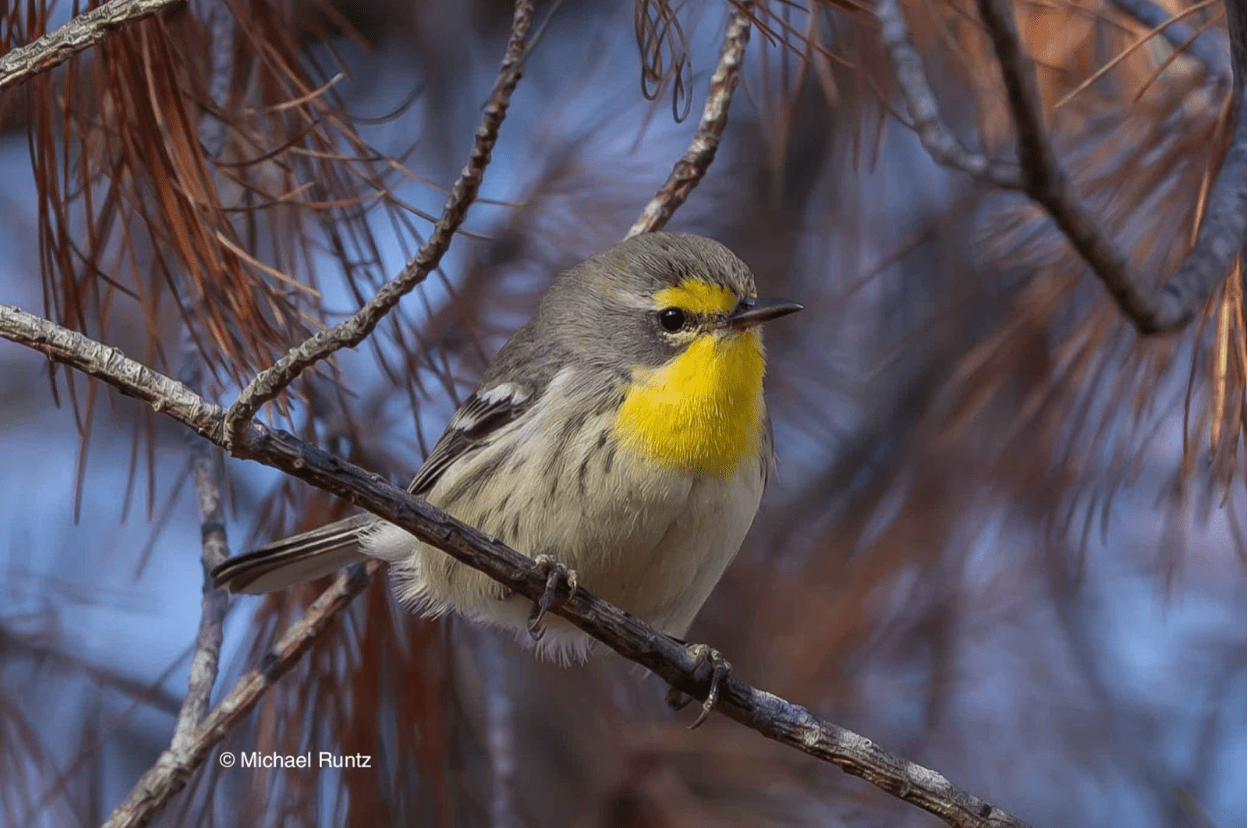
On a Thursday evening this fall, Runtz and his wife Britta Runtz added another one to their list. They spotted a Grace’s warbler, a small yellow bird that had only been seen in Canada once before.
After Runtz pointed out these local birds, then-student Mark Kruzich identified one on a wood pile at his parents’ house.
“His passion is something I’ll take with me for life,” Kruzich said.
Kruzich was completing an accounting degree at the time, and taking Runtz’s class in 2021 rekindled his interest in the natural world. He now works seasonally at Jasper National Park and is studying resource management.
Tom Sherratt, a biology professor who has taught alongside Runtz for 23 years, said that seemingly anyone you meet will know Runtz.
Once, while driving to Montreal, he mentioned to two other passengers that he taught biology at Carleton. Immediately, one of them asked, “Do you know Mike Runtz?”
“Hey, I was taught by Mike Runtz too,” the other added.
That wouldn’t be such a surprise if they were biologists. “But one of them was a tax inspector, the other was a policeman,” Sherratt said.
Lisa Marie Darragh took his course in 1993 and still uses the bird call sounds he taught her class to identify birds in her backyard. She has taught her children to identify them as well.
“I’m really humbled by it,” Runtz said. “I never really thought I was having that much of an effect on students. I thought I was educating students in a very enjoyable way, but never really thought that I was influencing some of them.”
“To me one of the greatest things is just knowing that something I was teaching 10, 20 years ago, one year ago, that people remembered it.”
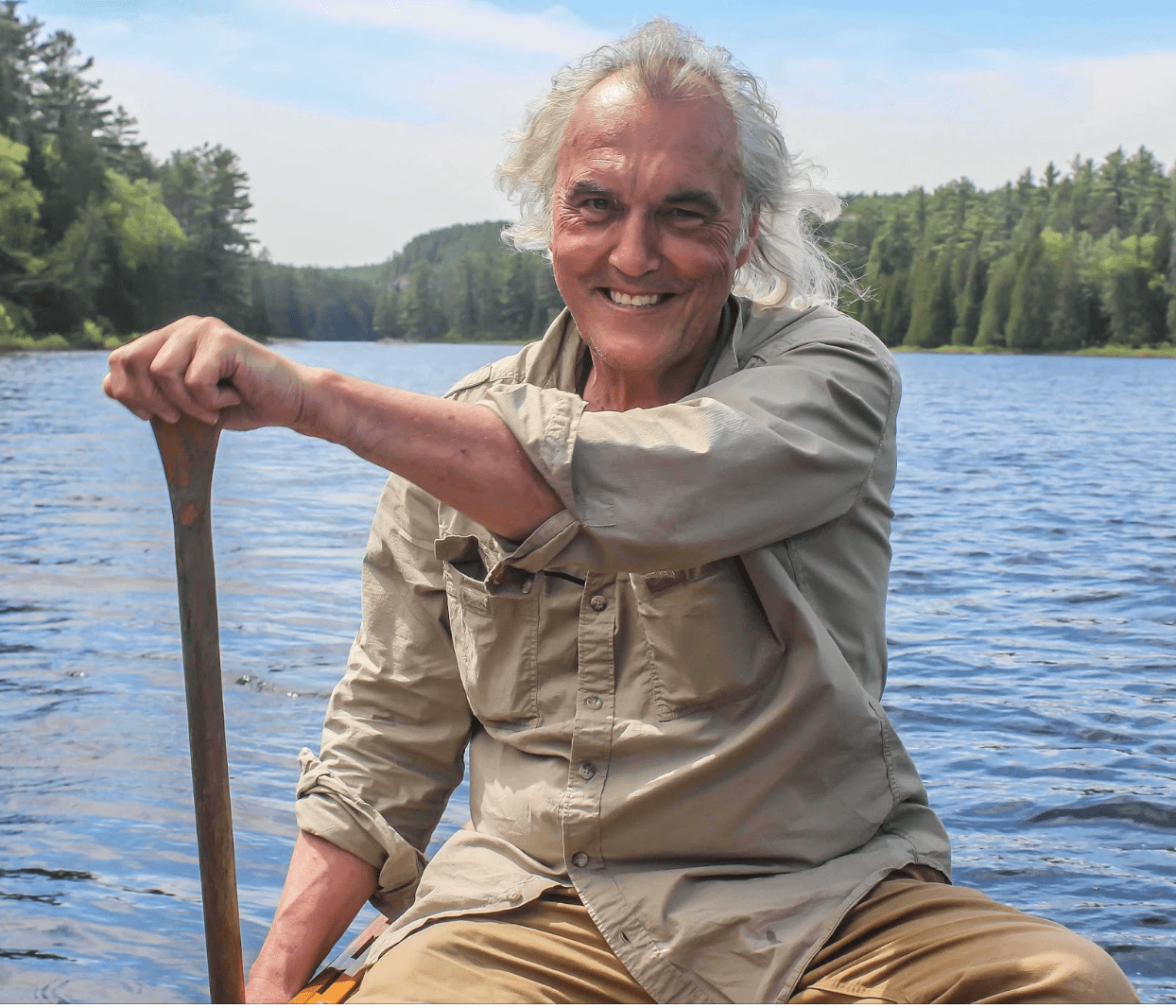
He said they hope to buy a house on a big property surrounded by lots of nature and overlooking the water.
“It’s a lifelong quest to learn everything I can about nature, and being out in nature is the best way to do that.”
Featured image provided by Carleton University