For many activists, agitation fuels change.
But love can also be a “powerful tool” to mobilize communities, said Asal Durrani, the president of the Carleton University Committee for Human Rights in the Philippines.
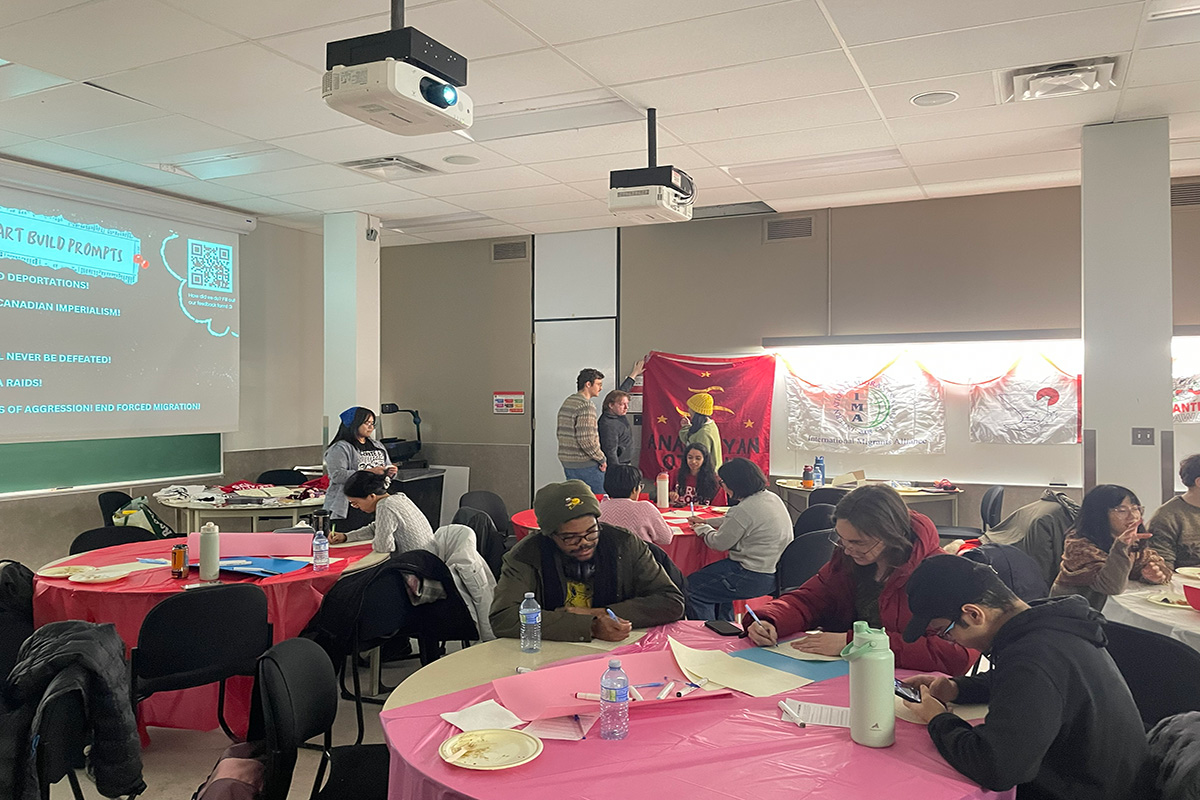
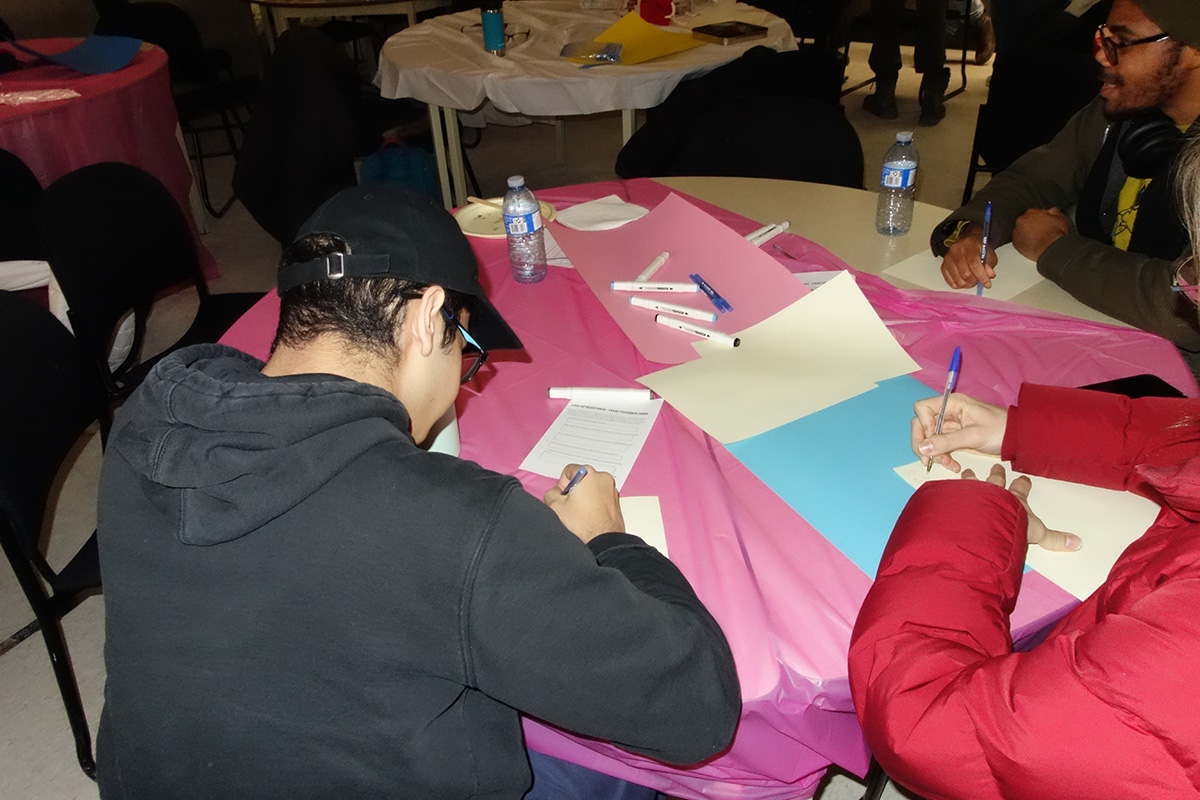
Durrani organized a letter writing event for students and activists wanting to reach political prisoners in the Philippines by putting pen to paper.
Last month’s event looked to connect migrant rights issues in Canada with human rights struggles abroad and pressure institutions to break away from ties to human rights abuses.
“Migrants are displaced because of human rights abuses fueled by Canadian and U.S. imperialist interests,” Durrani said. “These same powers then scapegoat migrants when people raise concerns about their living conditions.”
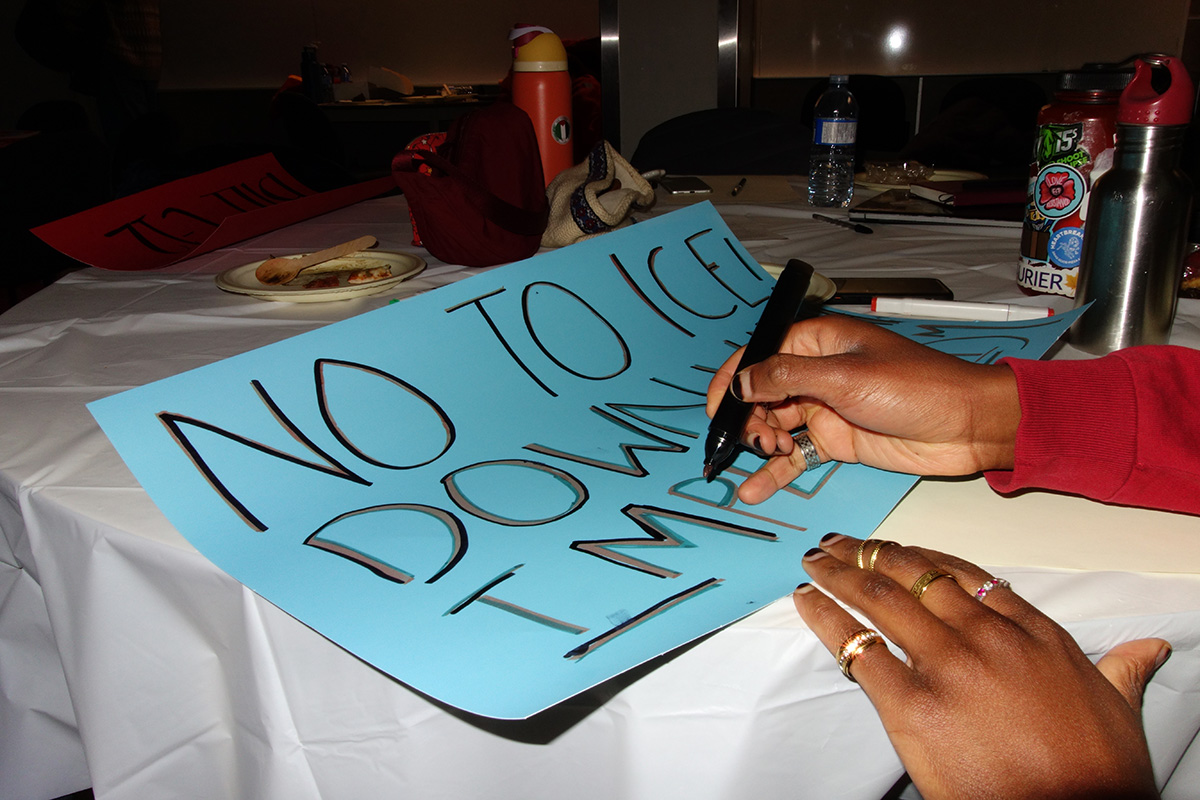
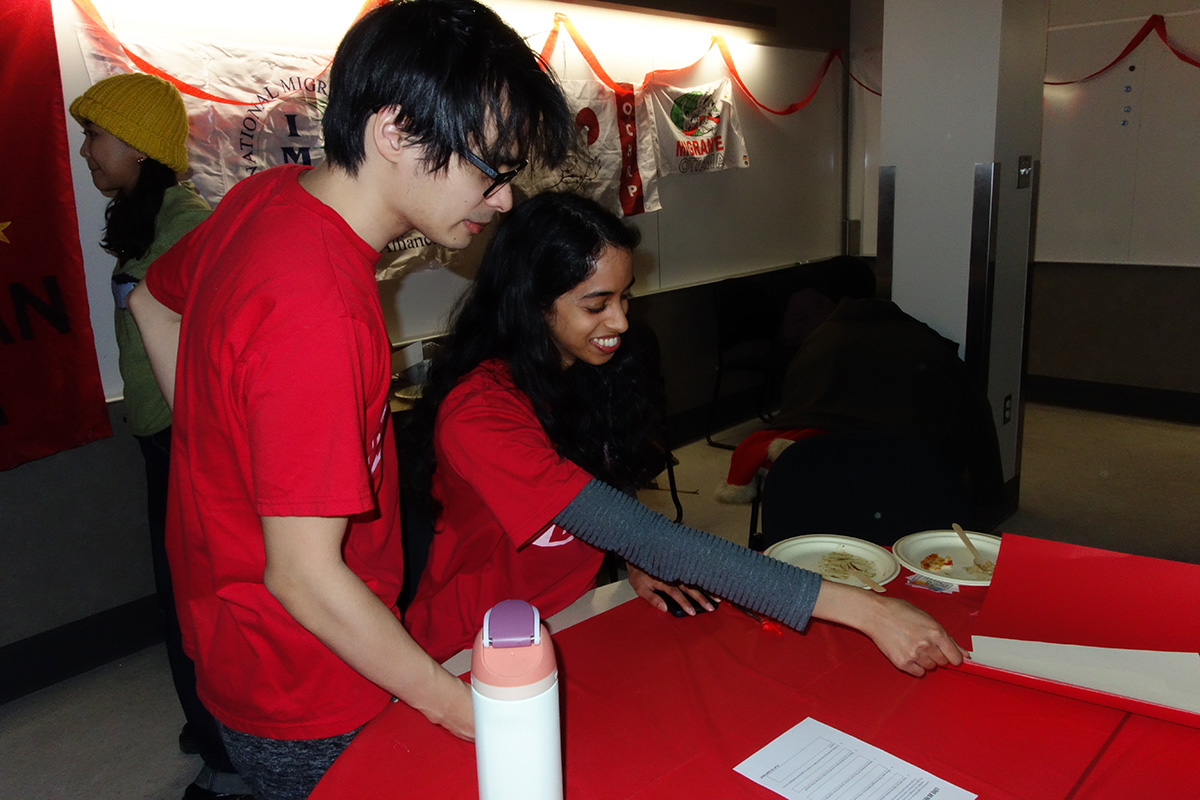
The Carleton University Committee for Human Rights worked with the International Migrants Alliance and Anakbayan Ottawa to present on topics like recent ICE raids in the U.S., threats to international students’ study permits with Bill C-12 and the stories of political prisoners in the Philippines.
The International Migrants Alliance community organizer, Ella Kim Marriott, told event attendees that legislation like Bill C-12 “scapegoats” migrants while “working class people are struggling.”
“Bill C-12 is being used to try to appease people with this guise of being for stronger borders and only cracking down on illegal migrants,” she said. “We know it’ll have a much bigger impact than that.”
The topic shifted to political prisoners, including 26-year-old journalist Frenchie Mae Cumpio, who was arrested in the Philippines for her political activism, Durrani said.
“She was helping people get organized in their community, so the Philippine government responded by essentially accusing her of supporting terrorism,” he said.
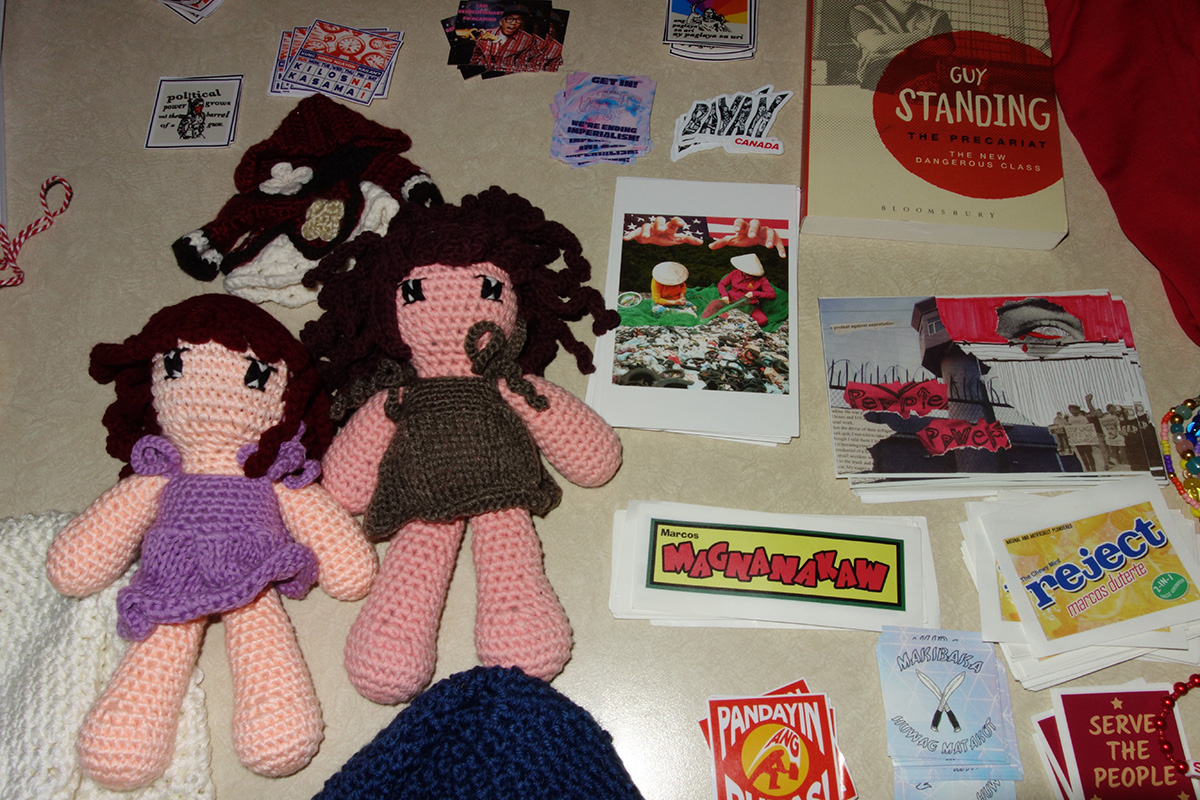
Durrani then invited participants to write letters to prisoners like Cumpio and offer words of motivation.
“We write letters to remind them that they’re not forgotten,” Durrani said. “The world is watching them, and that we don’t stand for their wrongful imprisonment.”
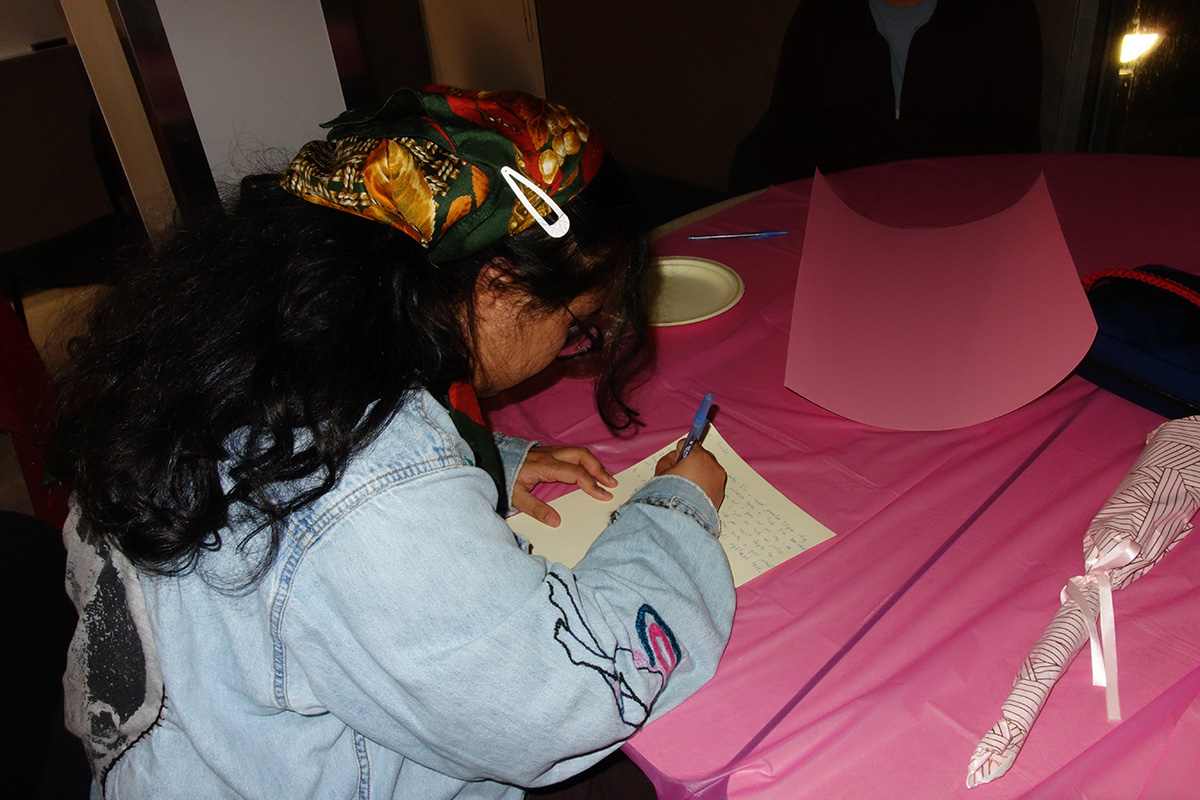
Recent Carleton journalism graduate Gabriela Calugay-Casuga, wrote about Cumpio’s importance to her as a reporter.
“I really see myself in her a lot. She had chosen to seek out the truth on stories that many people were scared to cover,” she said. “She reminds me of the importance to stay loyal to the truth, no matter what threats might be around you.”
Durrani said when it comes to protecting migrants’ rights, community is essential for love to double as a form of resistance.
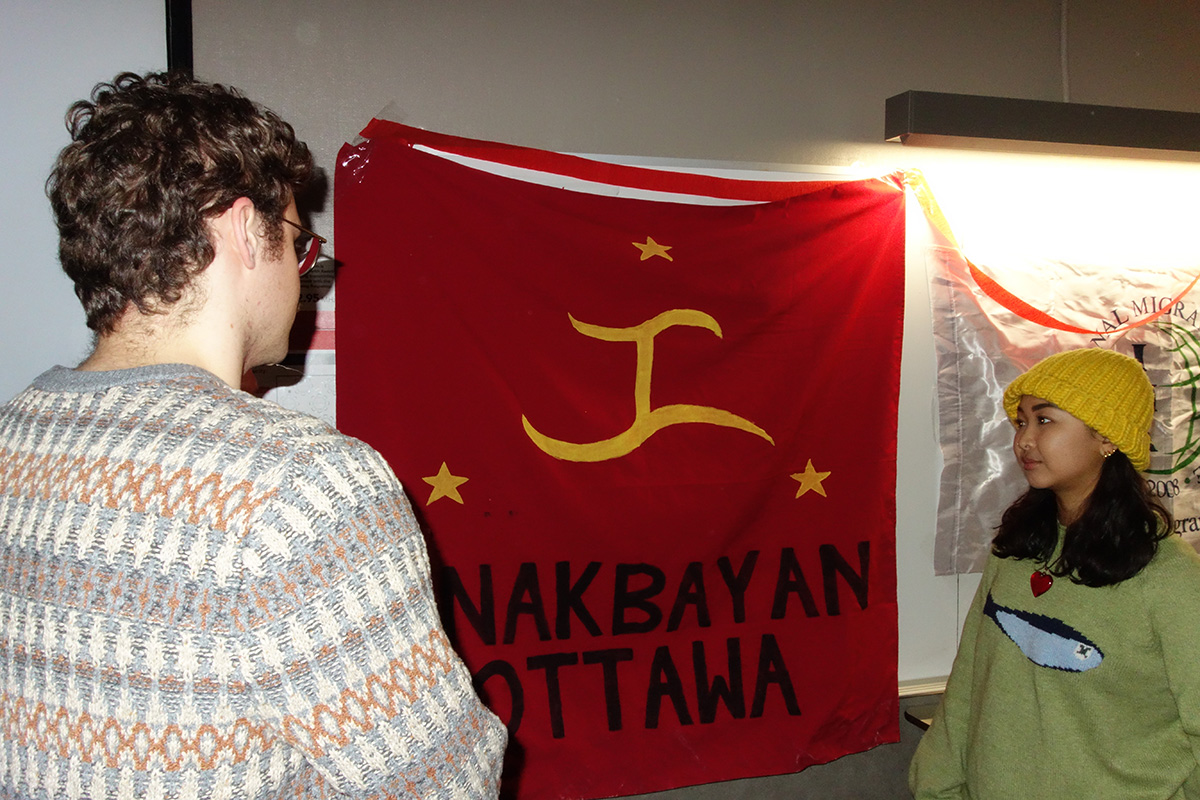
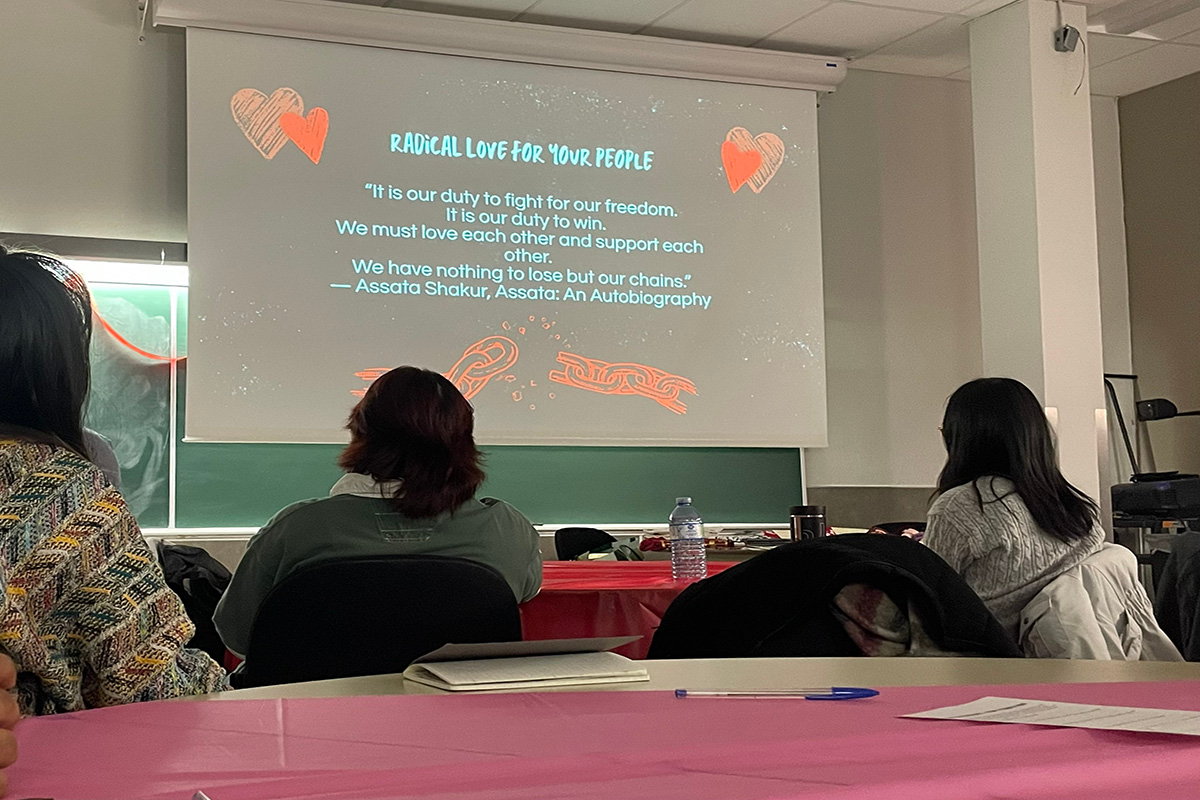
Calugay-Casuga said students and youth serve an integral role in activism for the Philippines, and in general.
“We’re gonna become the people running everything, so we need to really educate ourselves, get ourselves a strong grasp on what’s going on in the world, and not be afraid to struggle for what we believe is right,” she said.
“It’s our future that’s at stake, and it’s our future that we’re fighting for.”
Featured image by Brendon Poste/the Charlatan.
This article, and all of the Charlatan’s work, is brought to you by an independent student newspaper dedicated to informing, uplifting and entertaining the Carleton University community. We are a levy-funded organization which plays a role in the broader, vibrant student culture on campus. By reading this article, you are supporting our efforts.