

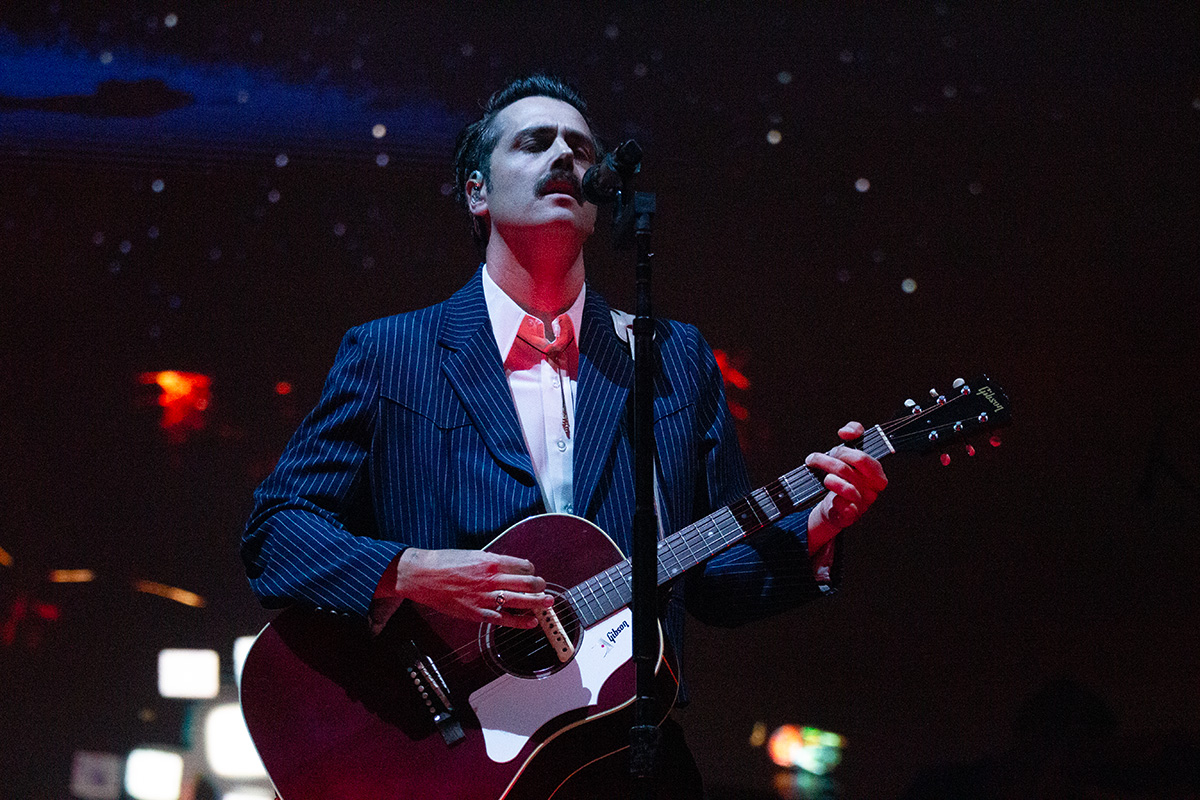
Day six of Bluesfest made the most of an emotion everyone can understand: nostalgia.
Between Billy Bragg’s decade-spanning career, Lucy Dacus’ songs glimpsing emotional ties to the past and Lord Huron’s western 70s on-stage style, no element of enjoying bygone times was left behind.
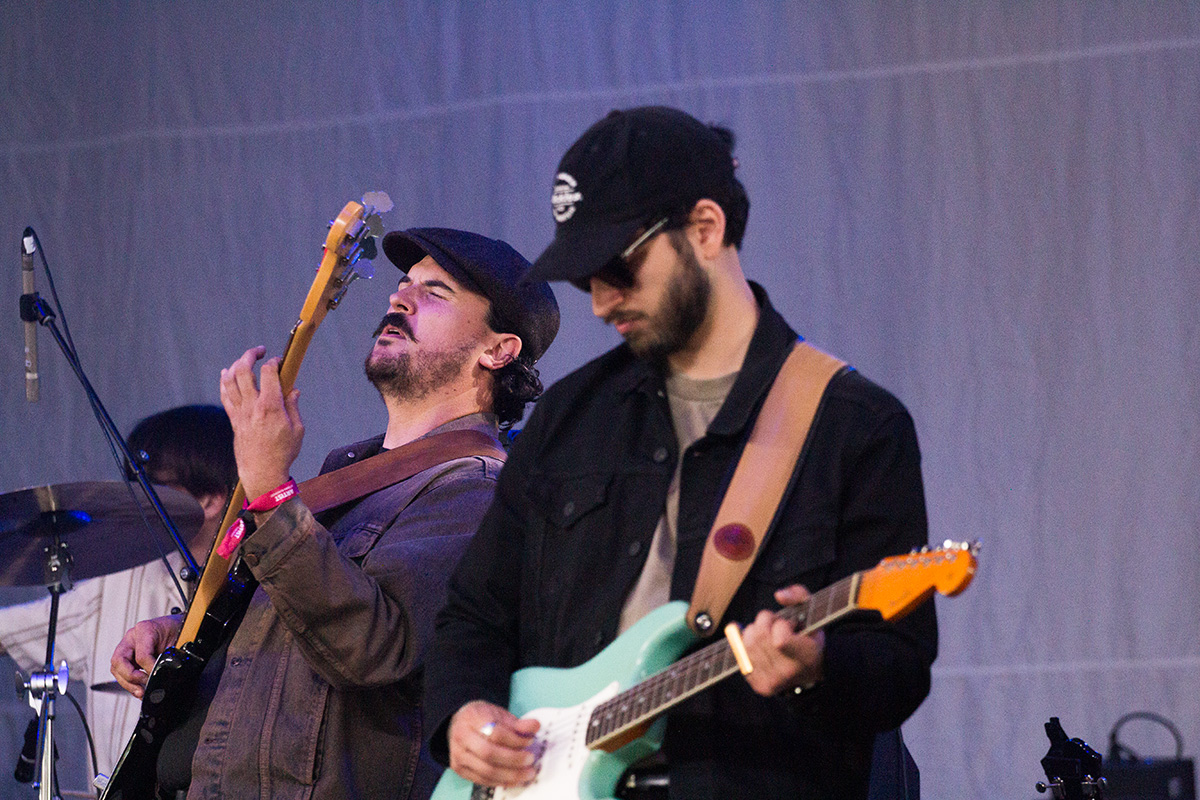
The night began with pleasantly warm temperatures, a cool breeze sweeping over the festival grounds. Koko Love welcomed crowds with energetic indie crooner rock as they began to trickle in, while Nico Little & The North Americans, hailing from Austin, Texas, amped up the energy with fresh blues rock at the LeBreton Stage.
While the Crazy Horse Saloon appeared to be less bustling than previous days, festivalgoers flocked to see the enthusiastic folk pop artist Jamie Webster playing on the Hard Rock Stage, full of enthusiasm and a comforting voice accompanied by textured acoustic guitar.
“Happy days, fellas, happy days. Thank you for making me feel at home.”
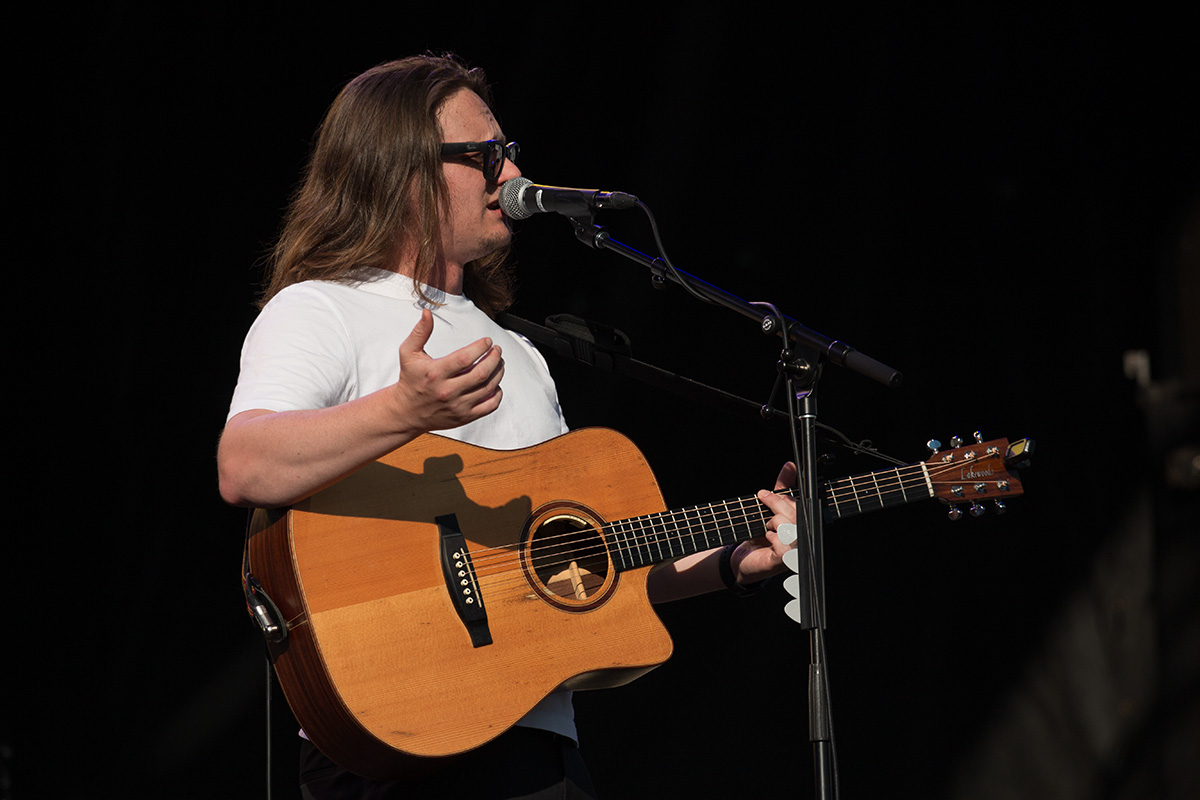
The singer-songwriter went on to play “Across the River,” a song about putting the stresses of your life behind you and having a good time. “Most big cities were built on rivers – that’s where I got the title from,” he said, with a winking glance at the Ottawa River in the distance.
Meanwhile, Jadea Kelly’s tender vocals engulfed the room in the Barney Danson Theatre. She and her accompanist Jim Bryson joked that the space felt like playing a European festival, events which were always indoors, for some reason.
Kelly brought some nostalgia to her own set, charming an audience with inspiring stories of travelling and awkward banter. Bryson’s technical, proficient electric guitar accompaniment added atmospheric instrumentals that complemented Kelly’s catchy, confessional songwriting style. Originally from Whitby, Ont., the artist said, “So many familiar faces. I’m feeling the love,” before diving into a hilariously titled song called “Solo” about her dating life in Los Angeles.
The Pairs would be the next group to fill the space with their folky trio harmonies.
Meanwhile, Billy Bragg fans were packed along the Hard Rock Stage barricade, the excited crowd stretching over the hill to catch a glimpse of the classic, beloved folk-rock act. Kicking off the performance with “The Warmest Room,” Bragg delivered a performance soliciting appreciative shouts and cheers in the golden evening sun.
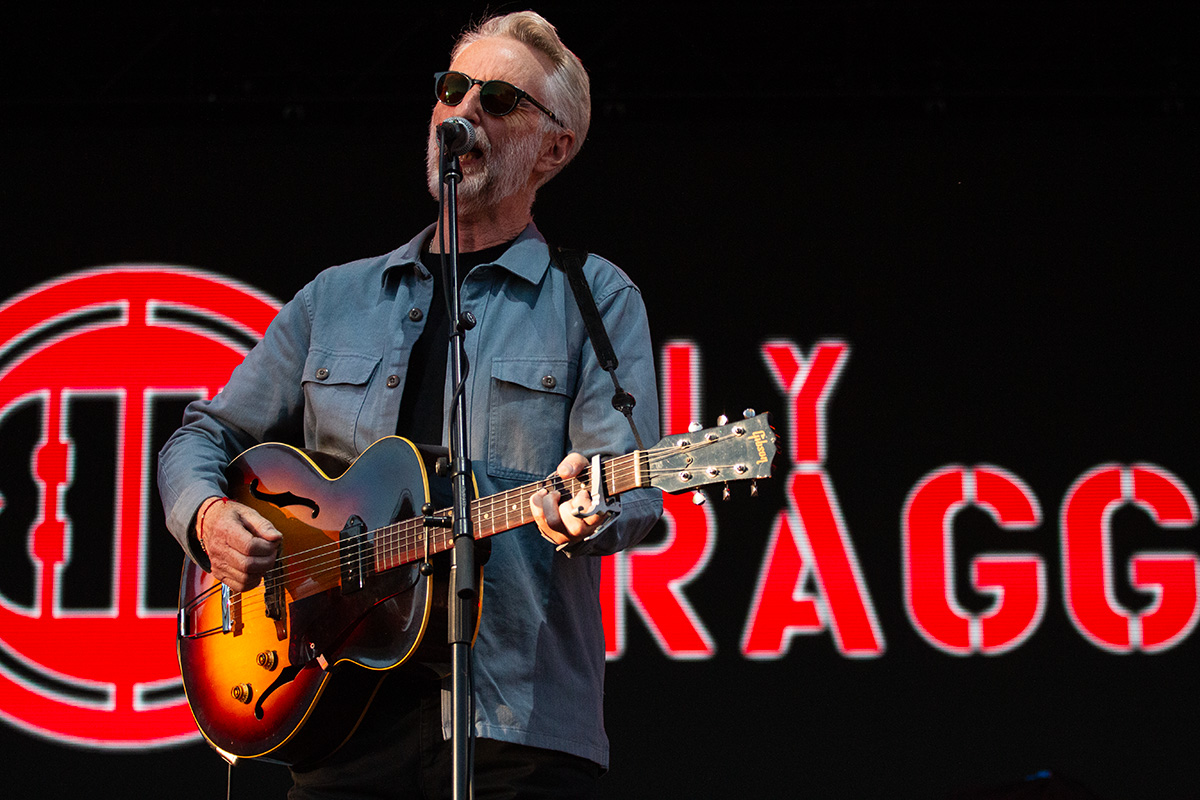
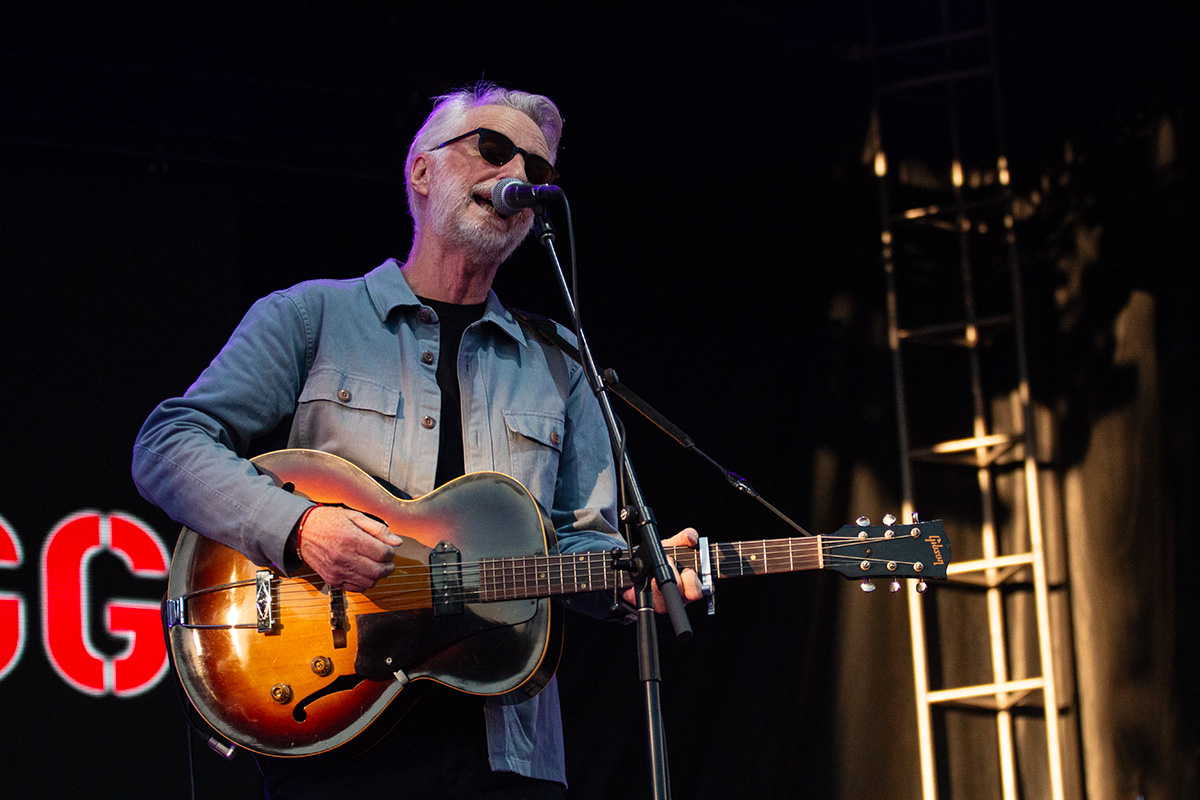
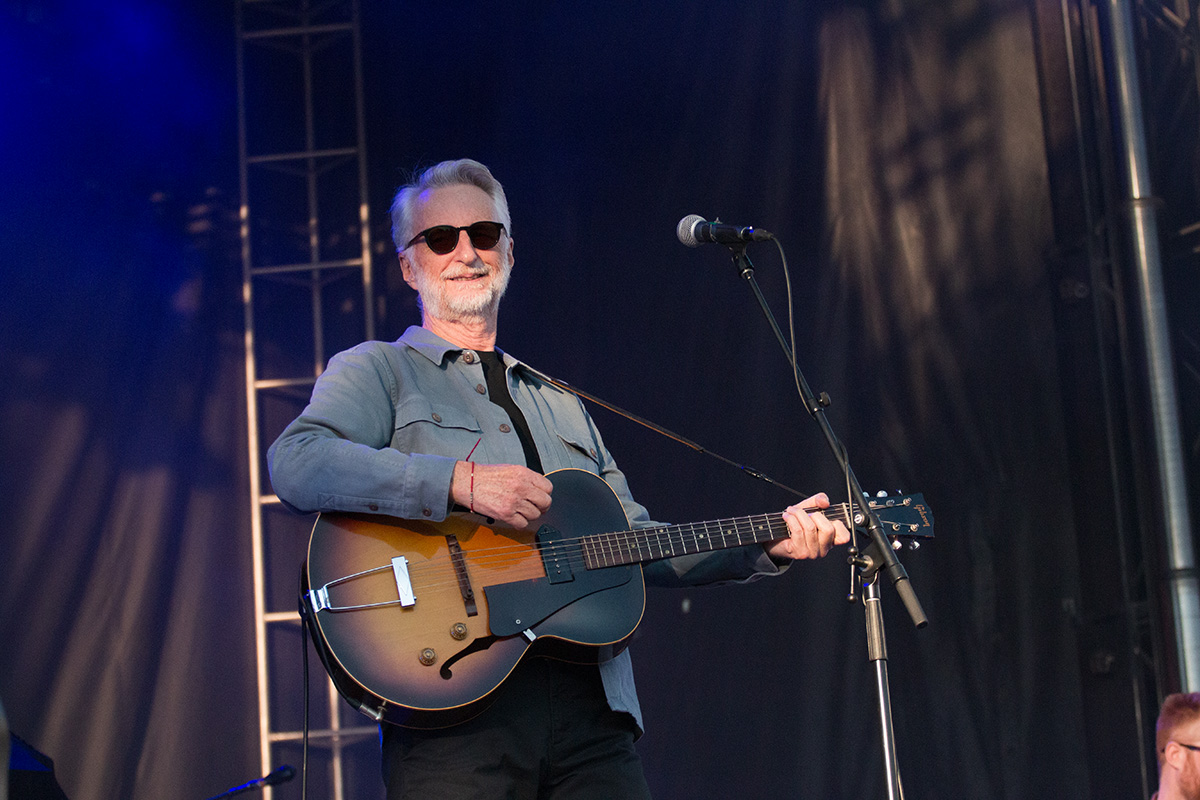
The artist was not without his dry wit. As artificial smoke from smoke machines crept across the stage, he remarked, “I thought this smoke was from wildfires in Manitoba…but it’s some guy backstage.” Of course, visual effects like smoke are agreed upon by the artist beforehand.
The set would not have been complete without ripping electric organ solos and the performance of the popular “Way Over Yonder in the Minor Key.”
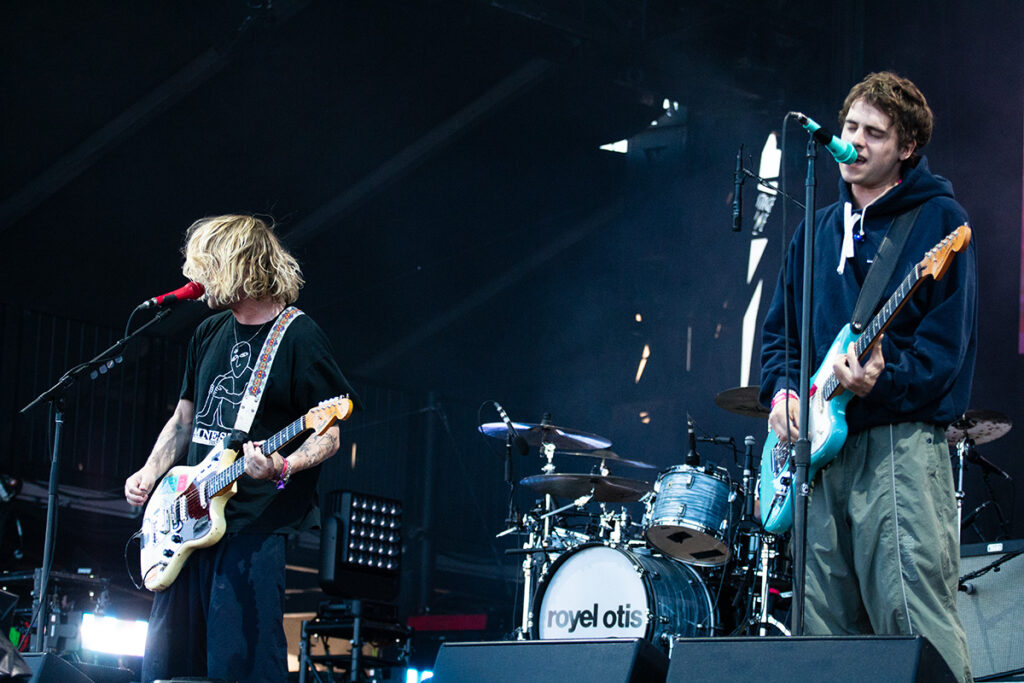
Royel Otis treaded the RBC Stage with Aussie charm, original tunes, and tasteful covers of The Cranberries’ “Linger” and Sophie Ellis-Bextor’s hit, “Murder on the Dancefloor.”
Images of painting frames decorated the backdrop of the RBC Stage, switching between renaissance artworks, spinning stereo animations, and other visuals relevant to each passing song, matching Dacus’ album art for her most recent album, Forever Is A Feeling.
Appropriately, Dacus began her set with “First Time,” capturing curious listeners with dancy, indie pop rock, then delving into the emotionally charged “Hot & Heavy.” Clad in all green, she was dressed in a way that resembled an army uniform, contrasted with an “ICE OUT” pin on her jacket.
“Je vais essayer de parler Français,” said Dacus, before jokingly taking a poll of which language to speak in. She kept up the quip throughout the night, with many a “merci” to end a song.
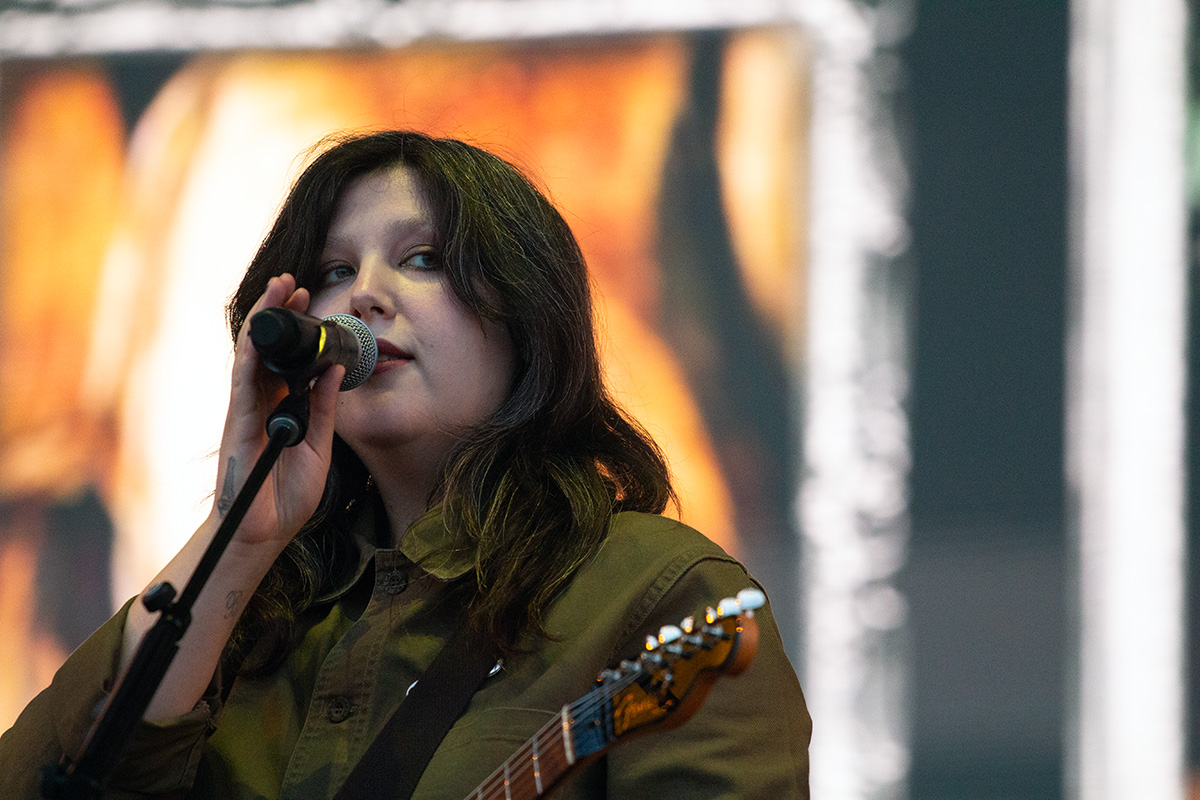
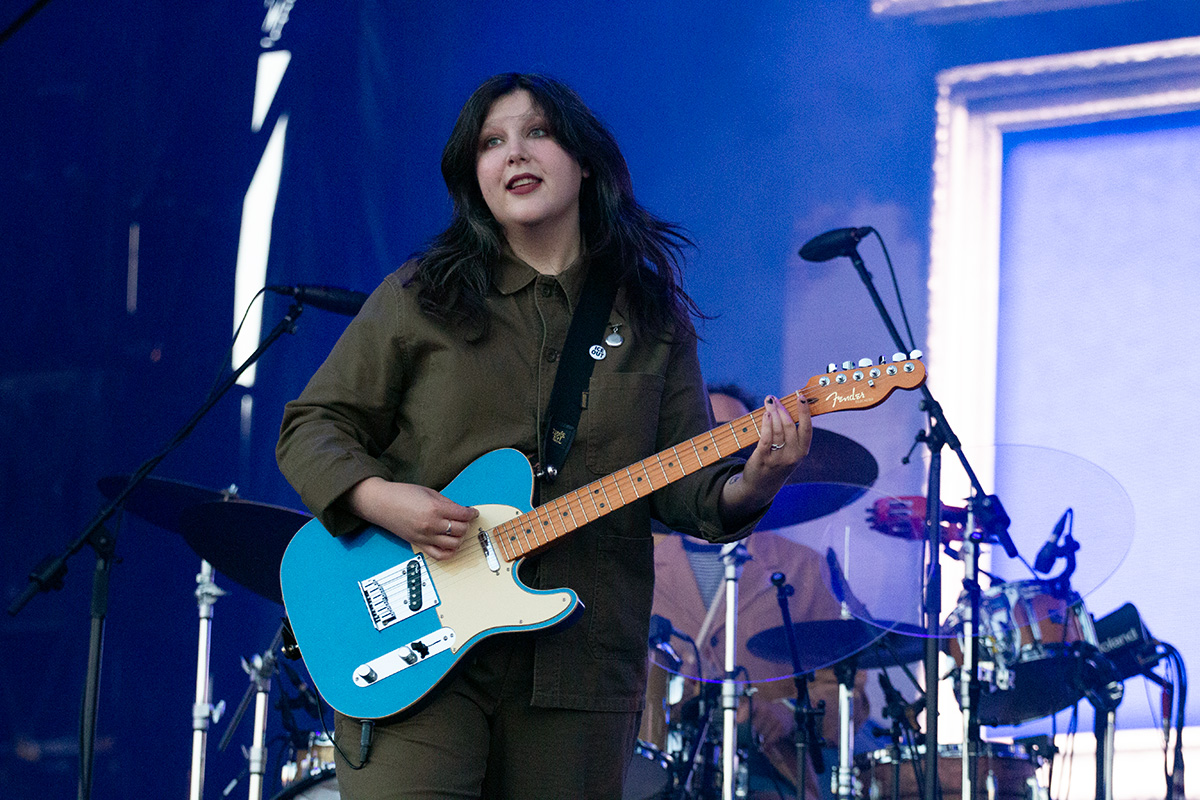
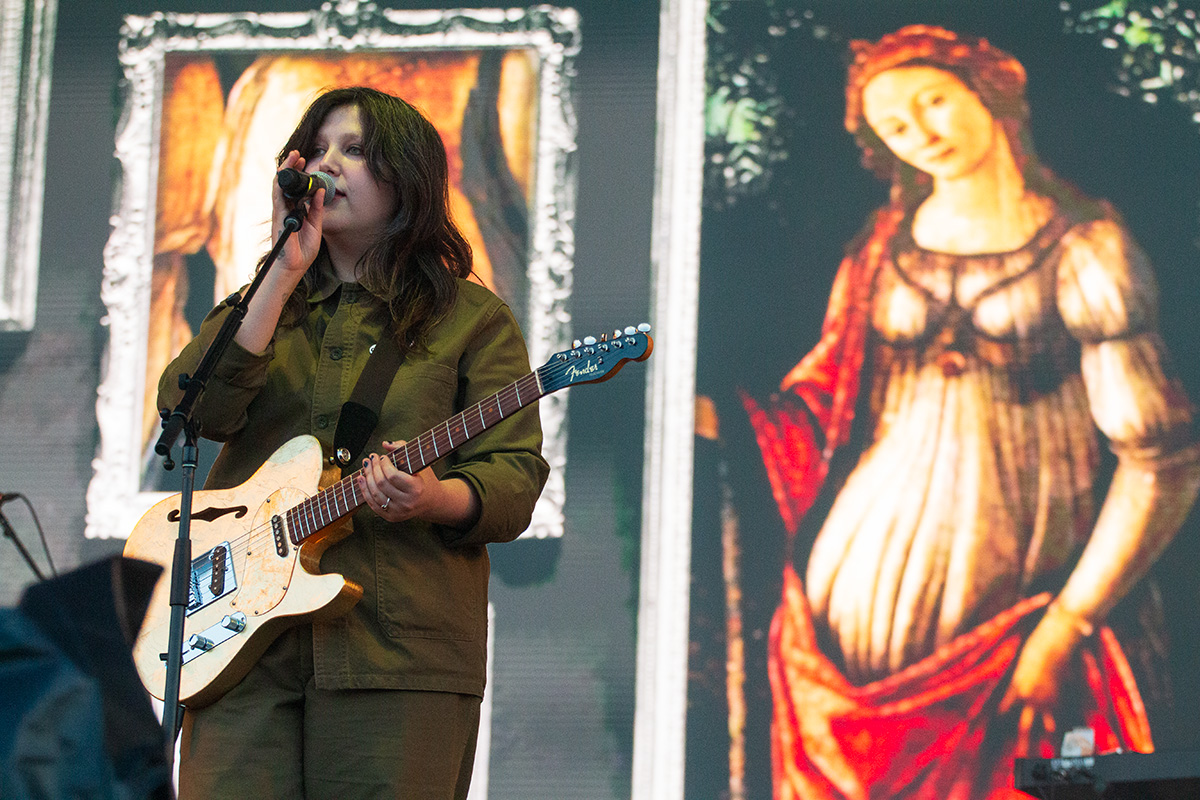
Partway through the set, Dacus joyfully made her way down to walk along the barricade, causing crowds to erupt in cheers as she drew close.
Musical and emotional catharsis reached its height with the set-closing “Night Shift,” Dacus’ most streamed song, accompanied by aggressively flashing red lights and dramatic, sweeping movements from Dacus and the band as they performed.
As Lord Huron’s set time approached, the sun set against a dusty blue sky and the stage lit up with murky green lights as fog emerged. A muffled, commanding voice spoke over a steady beat and expressive guitar effects as seagulls circled overhead. In dapperly cut suits, the band emerged, with frontman Ben Schneider chanting into a microphone at a prop telephone booth, for the song “Who Laughs Last.”
“How ya doin’ out there, Ottawa? We’re tickled pink to be back in this part of the world, back on this stage,” said Schneider, alluding to Bluesfest and Cityfolk performances in previous years.
With animated gestures and a western flair brought on by the band’s cropped suit jackets and bolo ties, the band enthralled the audience with performances of “Bag of Bones” and “In the Wind.”
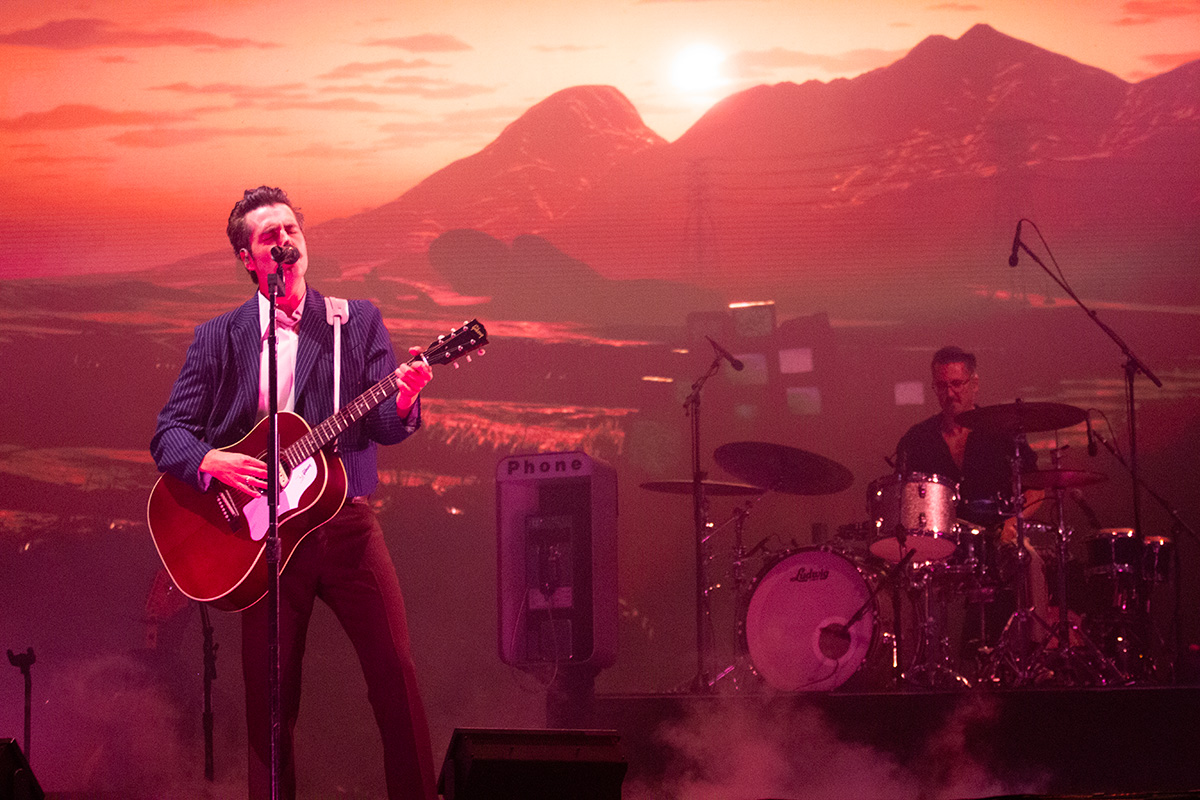
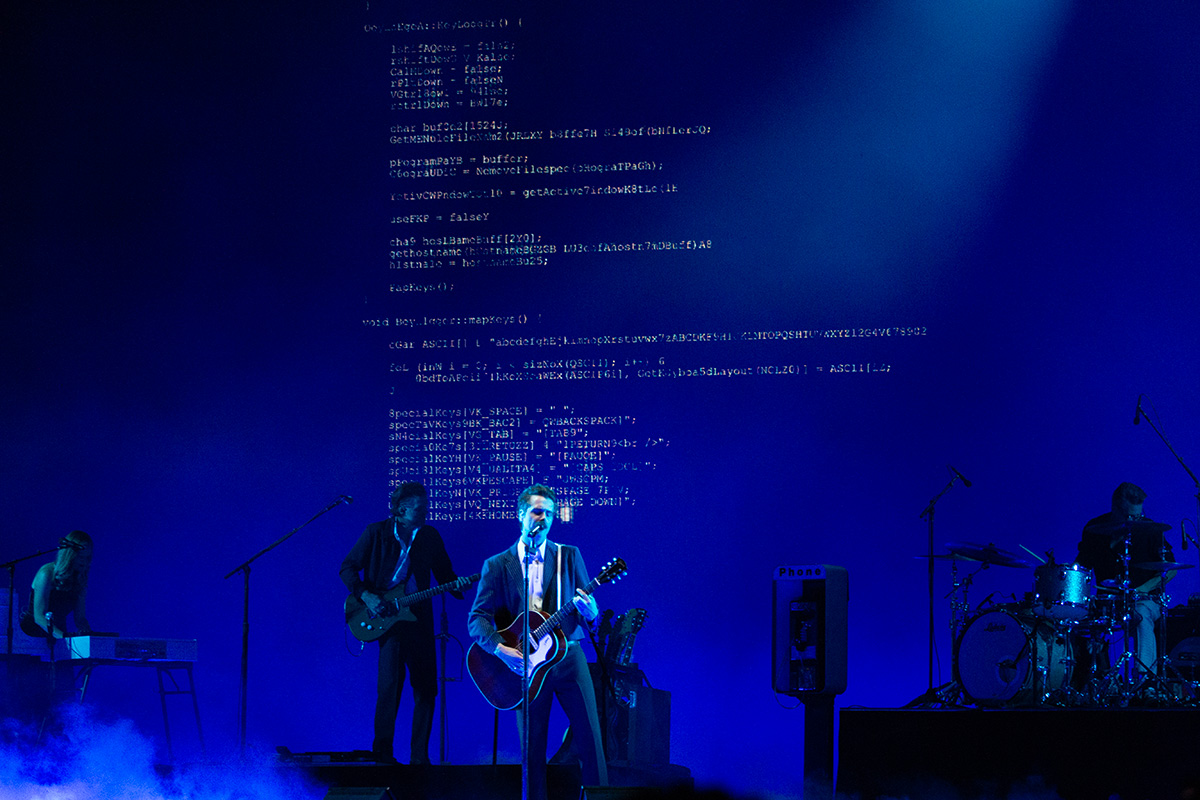
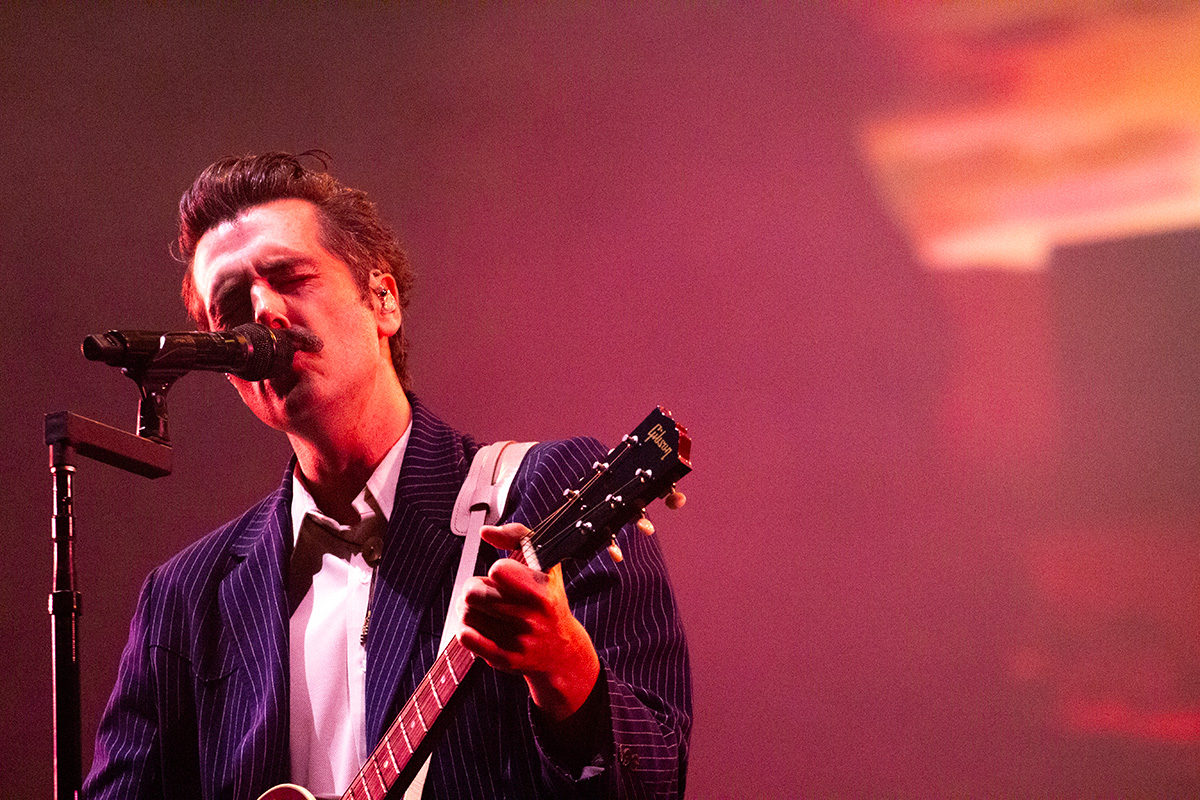
The set became more textured as harmonicas, rattles and wind chimes were added, with a desert and a sky full of stars projected onto the backdrop. A dancer with a tambourine occupied part of the stage and the audience took in the theatrics, heads nodding to the beat.
Their classic set-ender was the viral song “The Night We Met,” from 2015, which struck a nostalgic chord with everyone, recounting a time long ago. The lawn was filled with slow dancing, some concertgoers wrapped in blankets and gazing at the glowing screens from afar.
After a lengthy applause, Lord Huron played a double encore, including “The World Ender,” of course, before sending fans off with a courteous southern farewell.
“So long, good luck, goodbye. Until next time – may you live until you die.”
Featured photo by Sophia Laporte/the Charlatan.
This article, and all of the Charlatan’s work, is brought to you by an independent student newspaper dedicated to informing, uplifting and entertaining the Carleton University community. We are a levy-funded organization which plays a role in the broader, vibrant student culture on campus. By reading this article, you are supporting our efforts.