
The International Film Festival of Ottawa (IFFO) kicked off its sixth edition, bringing in a curated selection of 22 Canadian and international films to screens in downtown Ottawa across 11 days.
This year’s festival takes place at cultural locations in the downtown core, including The Ottawa Art Gallery, Bytowne Cinema, The Korean Cultural Centre Canada and others until March 22.
The IFFO shows new films like Chandler Levack’s Mile End Kicks — a romantic-comedy about Montreal’s vibrant indie scene — as well as older flicks like Guy Maddin’s Careful, which is an eclectic 1992 Canadian fantasy film.
The event focuses on highlighting Canadian cinema, with various guest series such as Canadian Masters and SAVE AS inviting viewers to discuss history and heritage in the Canadian film industry.
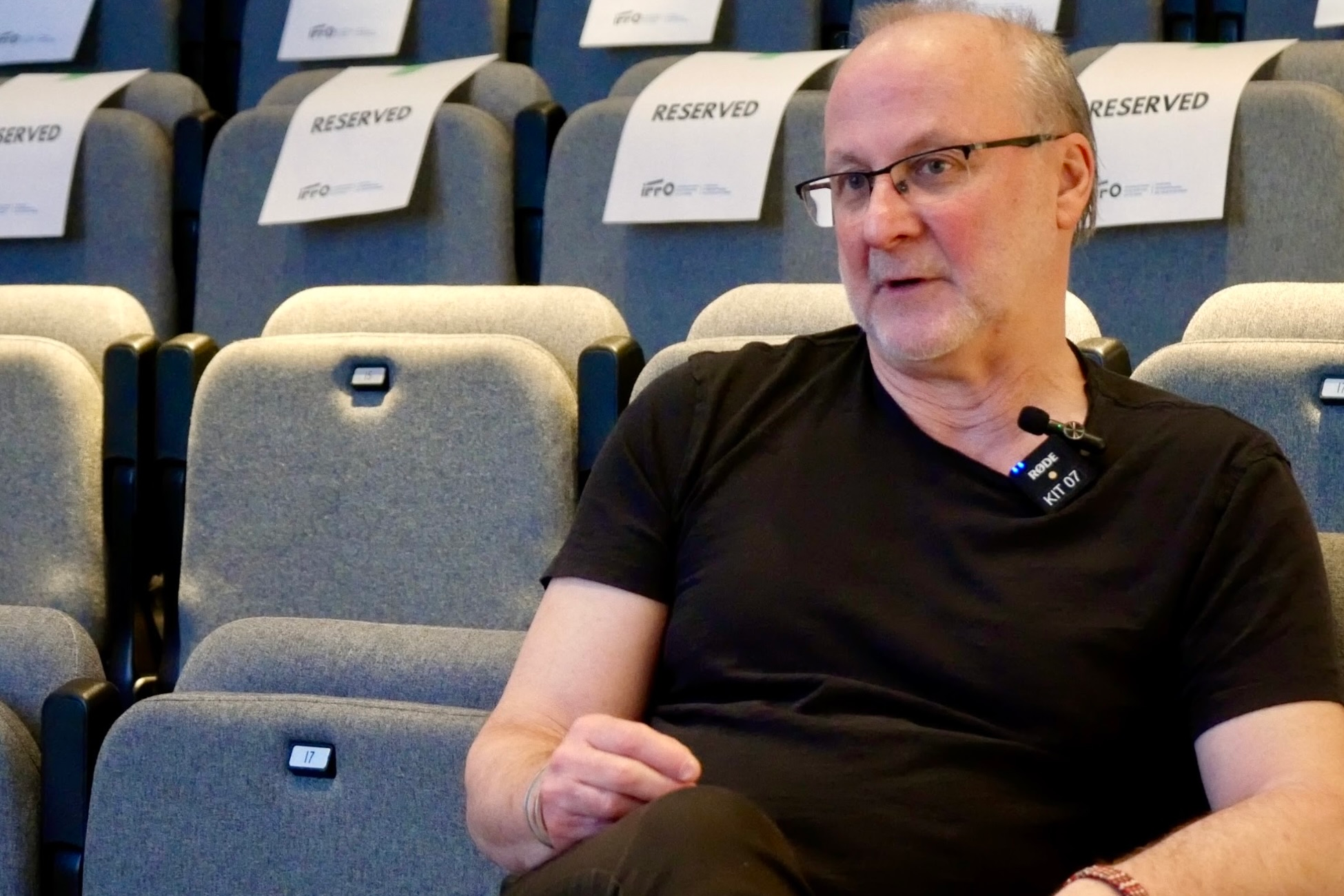
“It’s a bit under crisis,” McSorley said of cinema preservation. “It really is an essential battle because otherwise, the memory of our cultural heritage, cinematically, is lost.”
The festival’s Wednesday event kicked off with the film, Et Maintenant? by Montreal-based filmmaker Jocelyn Forgues, sharing the story of a singer-songwriter diagnosed with stage four tongue cancer.
Forgues produced and shot the film in Ottawa, drawing inspiration from his own experience with his tongue cancer diagnosis 12 years ago.
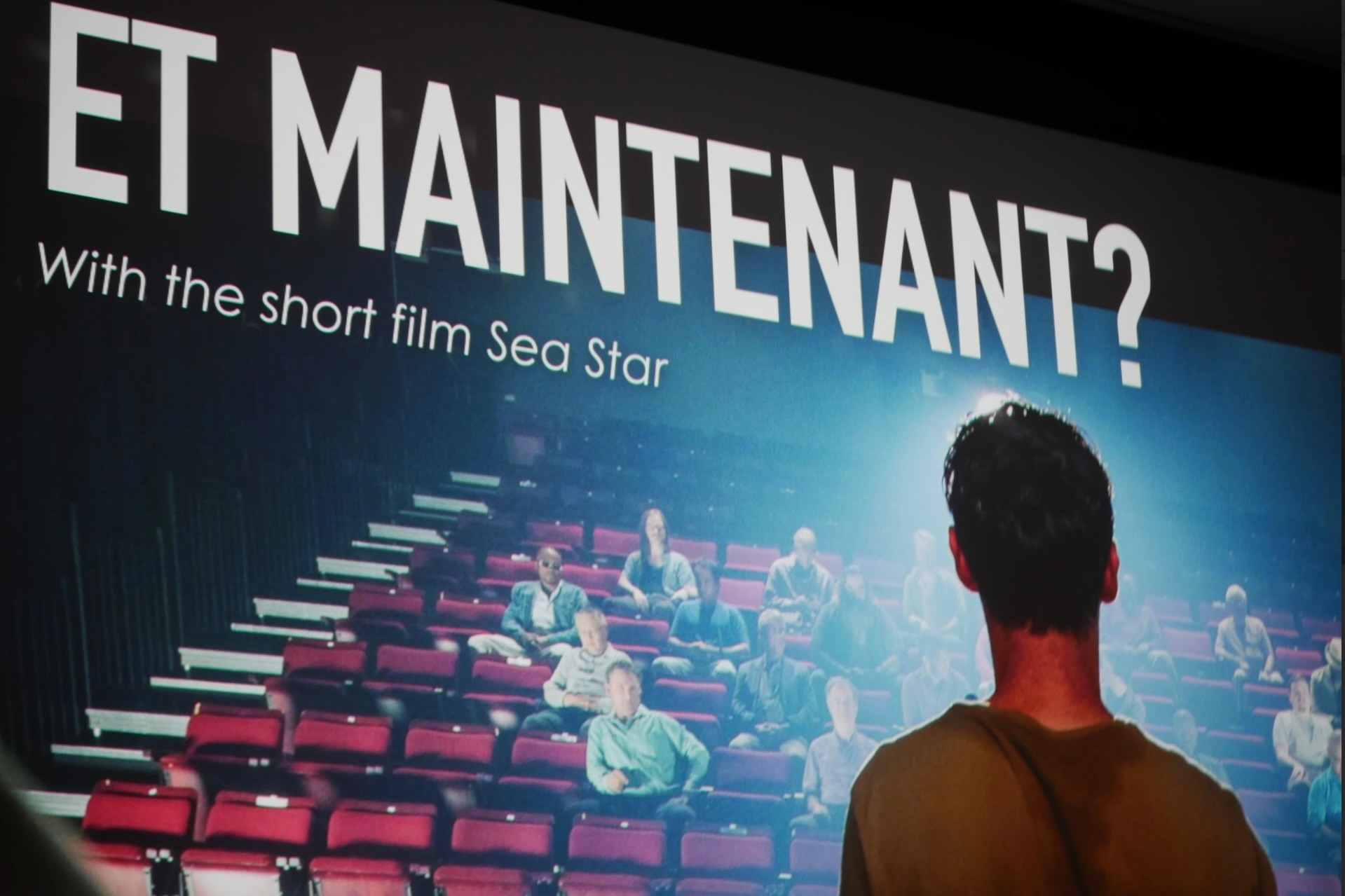
“I thought if I could allow an audience to follow in the footsteps of someone who’s going through a similar process, maybe they would be able to understand what is really going through their mind.” Forgues said.
Forgues said he hopes the film can accompany someone going through cancer.
“For any filmmaker to have your work selected at any film festival is an honour and privilege … to open a festival is an even bigger honour,” he added.
The discussion segment was originally called The Female Gaze and started online as COVID-19 restrictions were lifted to discuss films made by and for women. Recently, the series has expanded to highlight other underrepresented and lesser-known filmmakers.
This year, The Gaze discusses how ghosts can help shape our moral compasses through the film A Useful Ghost.
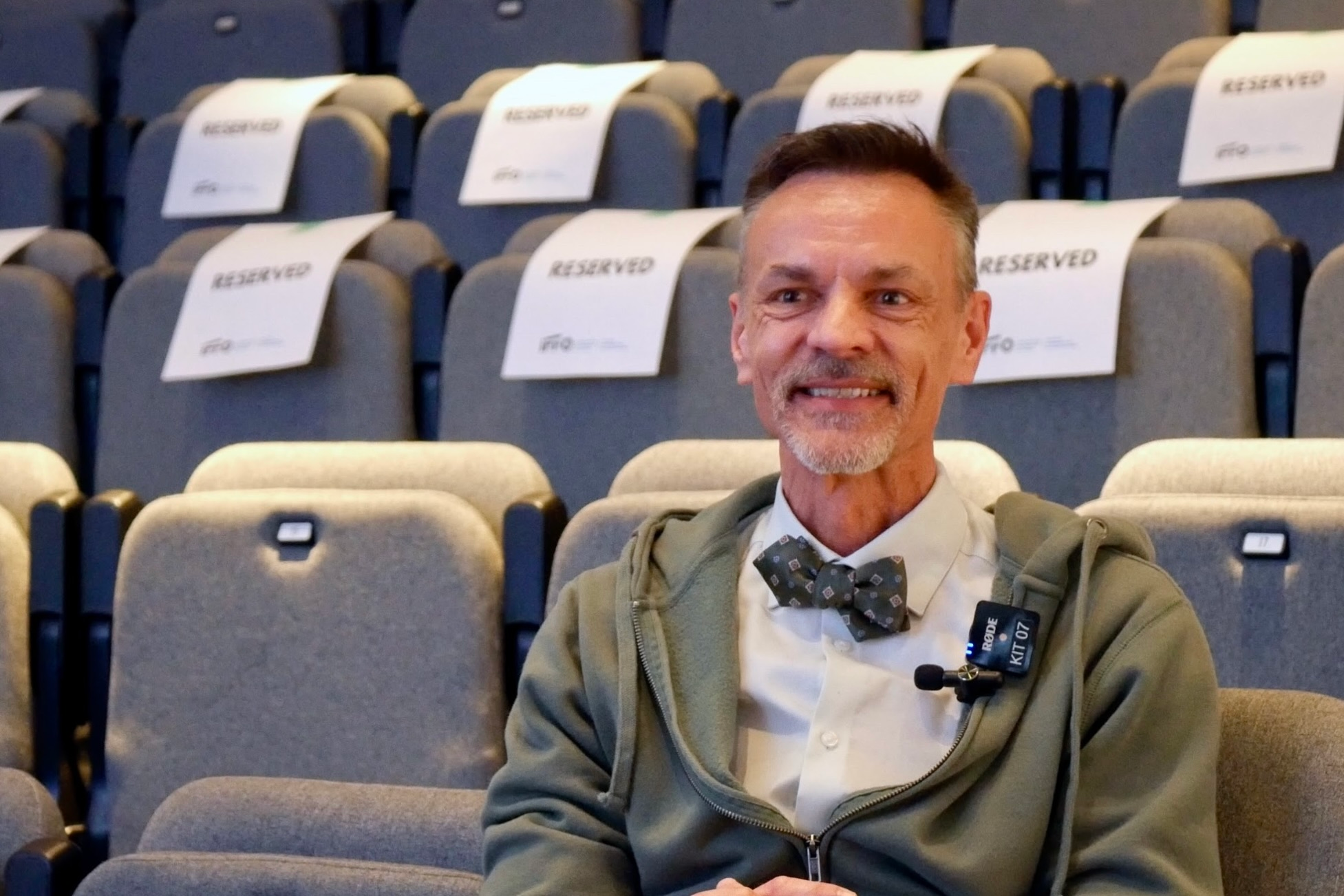
Black, who is a film programmer at the festival, said the idea was to broaden programming throughout the year with a specific focus on underrepresented films.
“It’s not just about talking in the hallway after a film or just exposing people to some different kinds of films, but getting them to really think about it and think about it in community and for themselves,” Black said.
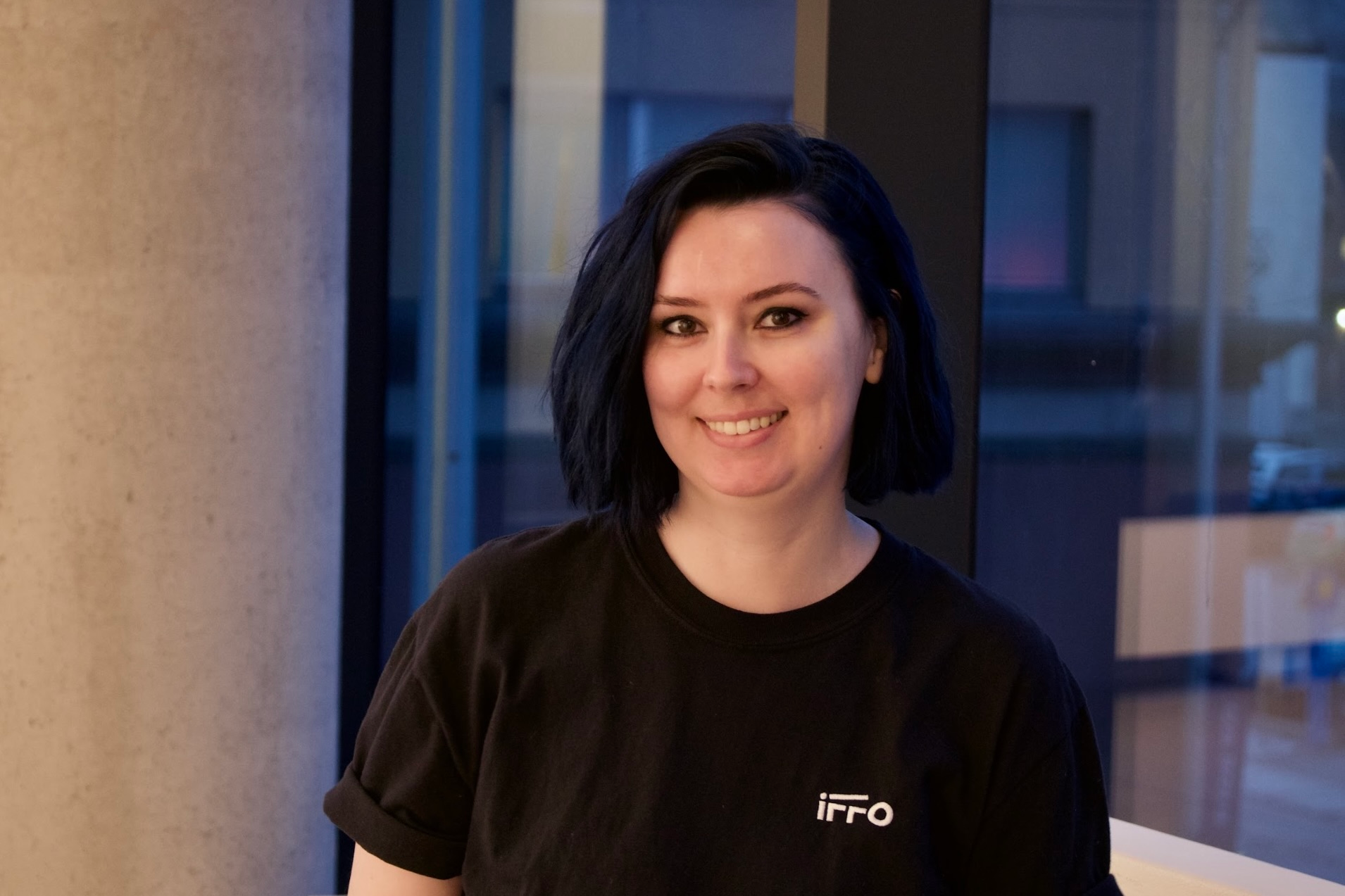
McSorley with the Canadian Film Institute said that the growing representation of filmmakers from the 1980s until now has changed drastically for the better.
“We’re seeing audiences that are more diverse looking at films that are more diverse, and that’s taken some decades to evolve, but I think it’s really healthy,” he said.
“It’s never enough, but it’s certainly much better than it used to be.”
Featured image by Itoro Umanah/the Charlatan
This article, and all of the Charlatan’s work, is brought to you by an independent student newspaper dedicated to informing, uplifting and entertaining the Carleton University community. We are a levy-funded organization which plays a role in the broader, vibrant student culture on campus. By reading this article, you are supporting our efforts.