

Kayla White and her roommate shared a special weekly routine.
Before morning classes, they would trek together to a café near Carleton University’s campus. White, a Carleton anthropology student, said they would sit, chat and usually share a pot of earl grey tea together.
That Carleton University Students’ Association (CUSA)-led café was Haven, and to many students, it embodied its name.
Haven “was always exactly what we wanted,” White said, fondly recalling its funky pots and cups. “It was always intended to be a study space, but we always just ended up talking.
“Some of the best conversations I’ve had with my friends happened there.”
In December 2024, the Carleton University Students’ Association (CUSA) closed the café’s doors over financial deficits. A change.org petition with more than 1,500 signatures circulated in an attempt to save the space. Located off Seneca Street and Sunnyside Avenue, the space has since been converted to a fitness studio.
One year after its closure, Haven’s former patrons still yearn for its atmosphere — unlike that of any other Carleton café — including students who frequented the spot for club events. Now, event organizers are forced elsewhere, and students are missing the Haven’s third space community.
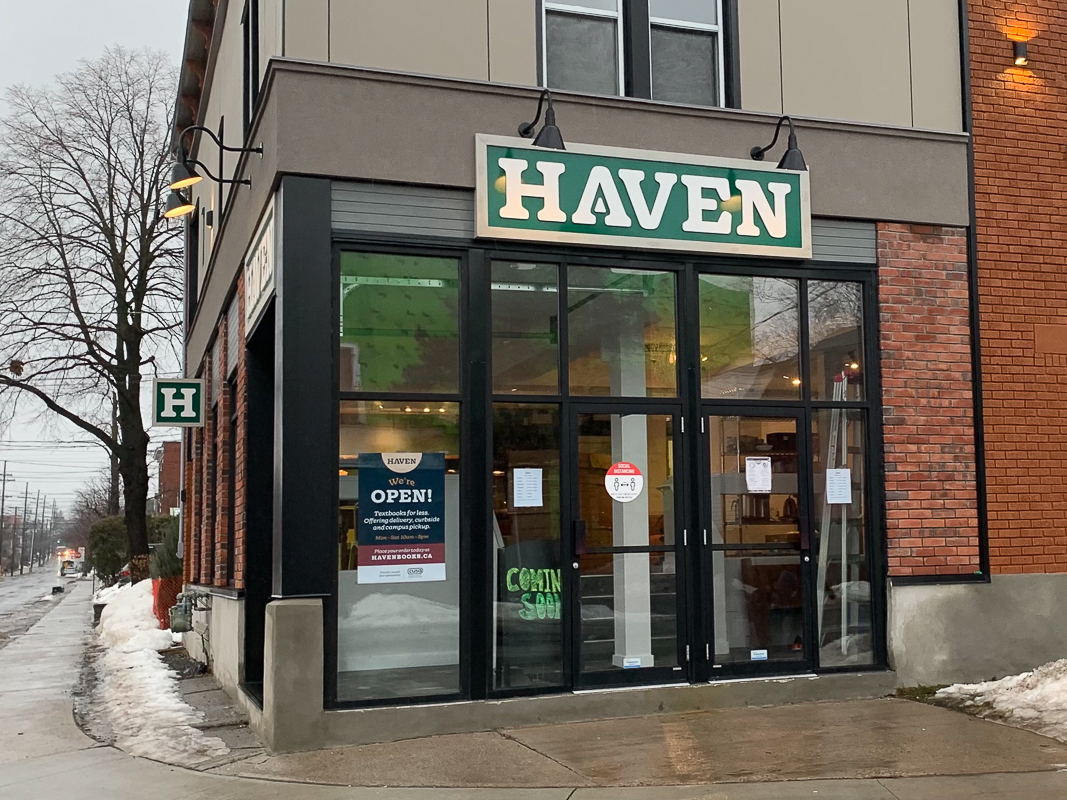
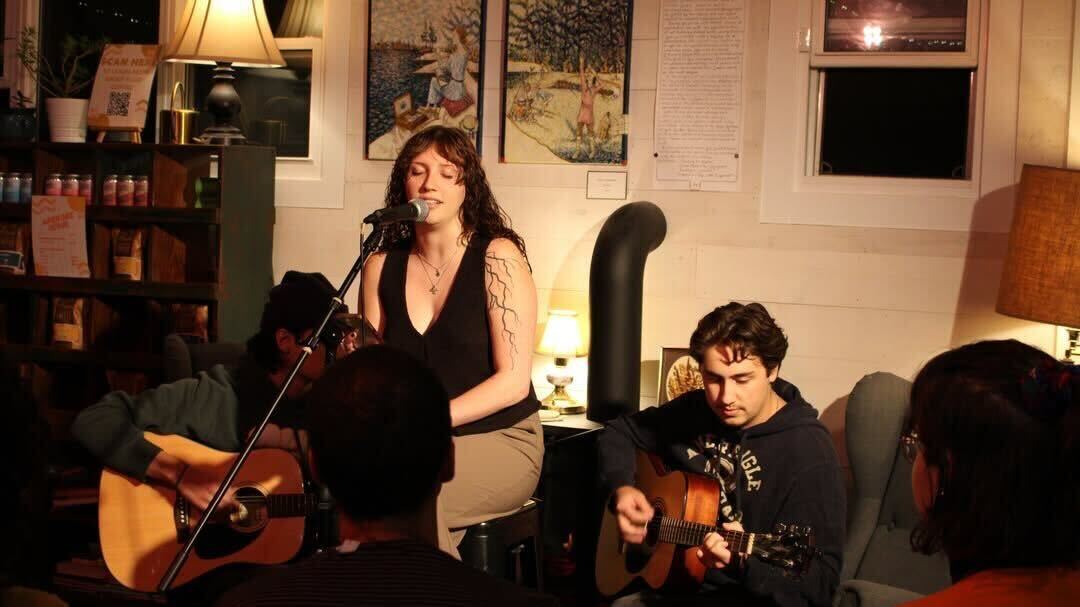
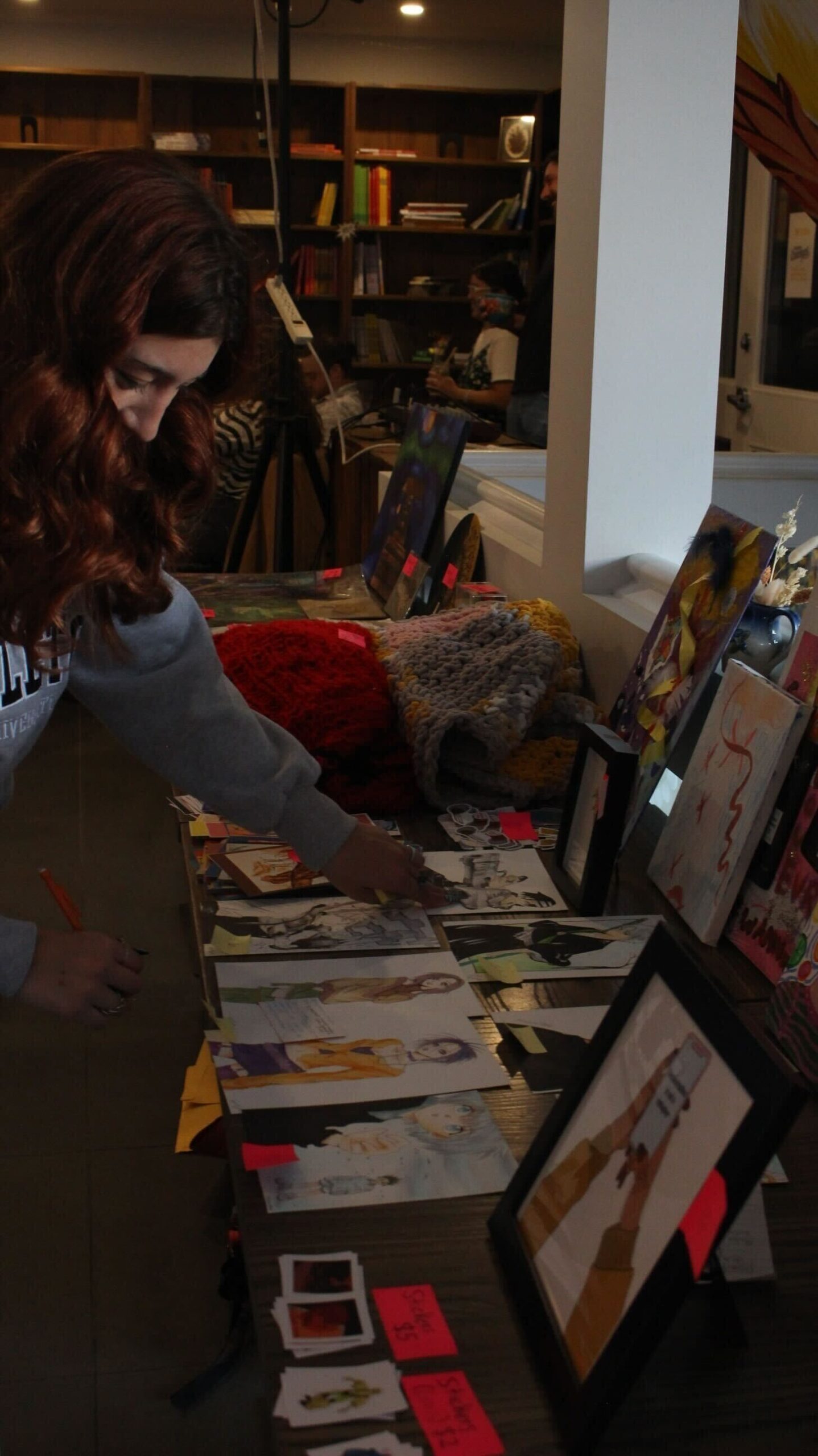
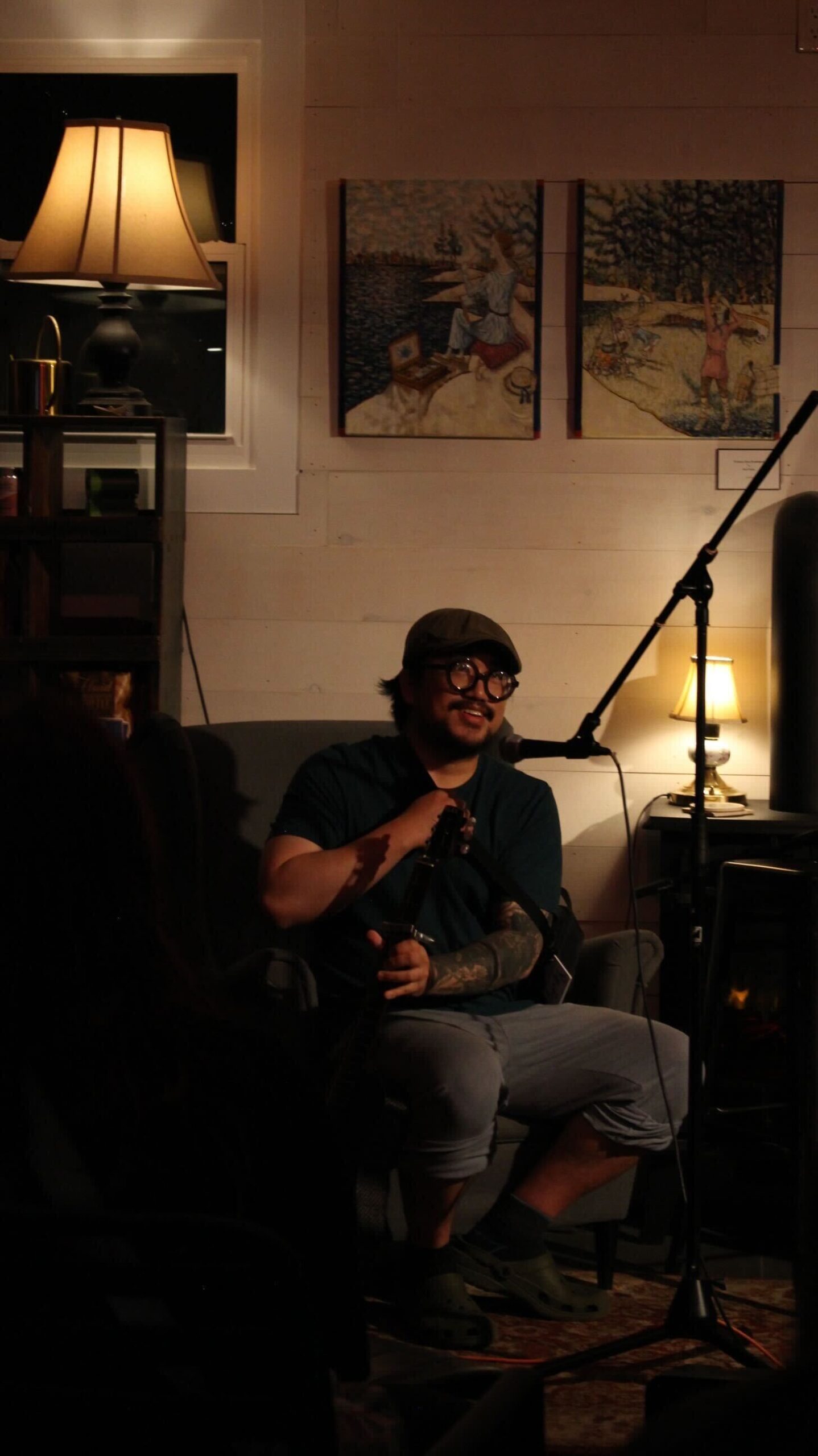
Haven was more than a café offering seasonal drinks and food — it was also a community space home to frequent open mic nights, fundraisers and poetry nights.
Sameer Keldani, a civil engineering student, used to perform his poetry at Haven events. Now an executive with the Carleton University Poetics Society, Keldani performed original poetry at Haven for the first time in January 2023.
“That was the first time I felt safe enough and comfortable enough to perform,” Keldani said. “I never performed before and that got me out of my shell.”
Keldani recalls performing three poems he describes as “vulnerable.” He said the café was packed, but “everyone was so happy and you could see it on their faces.”
“I felt like I could do it for the first time in my life.”
He said he particularly misses the “unique comfort” Haven provided the Carleton community. Since its closure, Keldani has been forced to reconcile with getting his start in poetry at a place that no longer exists.
“I miss the cozy, safe space. It was a very beautiful environment when you just stepped into the door, and everyone was extremely friendly,” Keldani said. “You felt like you could let your guard down.”
Haven regulars like White and Keldani said other cafés in the city are simply “not the same.”
“I have the cafés that I tend to go to now, but so often, I specifically want to go to Haven,” White said. “We knew the baristas and just the familiar faces. It being so close to campus, it was so accessible.”
Along with missing Haven’s atmosphere and its previously axed textbook return service, White said she sometimes still craves the café’s simple menu. She still remembers details about the paintings lining Haven’s walls, and the tulip mural painted greeting customers as they entered. She has tried other cafés near campus, like Black Squirrel a few blocks away on Bank Street, but she said she doesn’t feel the emotional attachment.
“I was just saying to a friend, I really want a specific sandwich that Haven had,” White said. “Nothing’s the same.”
Dylan Vinette, a linguistics student and the president of the Poetics Society, said the society and Haven staff got to know each other “pretty well” over the years. The student society hosted their monthly poetry or music open mics under Haven’s cozy lighting and warm atmosphere.
The Poetics Society was also shocked by the closure, Vinette said, adding that Haven frequenters jumped on the change.org petition and asked CUSA executives for more answers.
Members of the society are still grieving the loss, Vinette said, even as they pivoted quickly to other spaces.
“It wasn’t just Carleton people. It was just everybody in the area who was interested in hearing about the arts,” Vinette said. “Our members were really worried about that space that they called home being closed down, so we had to find something quickly.”
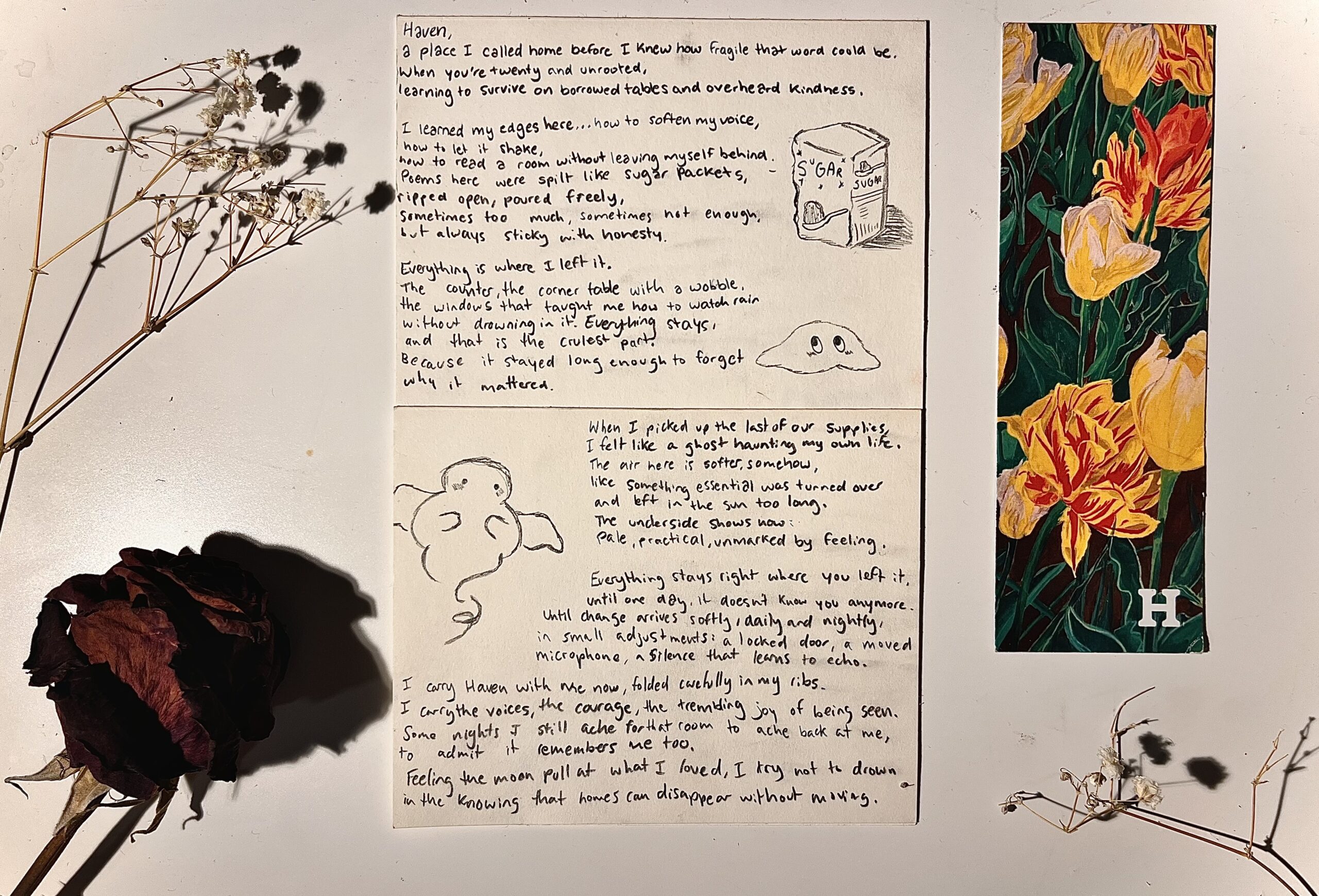
Members of the Poetics Society wrote and performed poetry about Haven at open mics at locations like Ten Toes Café, Vincent Massey Park, the EveryPerson Café, Rooster’s Coffeehouse and Ollie’s Pub and Patio after its closure.
“Every so often, somebody will still talk about how Haven has impacted them as a person and how that space really helped them,” Vinette said. Until she attended an event there in her first year, she said she “would have never thought of doing something like this.”
Nisse Anonby* is a fourth year music and arts management in business student, known in the Ottawa music scene as Loch Nisse Monster. Like Keldani, she also attended the first 2023 open mic event at Haven. It was one of the first open mics she had ever performed at.
“Open mics are really where many musicians get their start, because it’s a really warm environment,” Anonby said.
One of the songs Anonby recalls performing was her original song “Birmingham,” which she has since recorded and released in her 2025 album Forensis.
“It’s kind of full circle,” she said.
Anonby remembers feeling shocked when Haven closed, since she said it was widely considered “such a staple” for Carleton students and local arts communities.
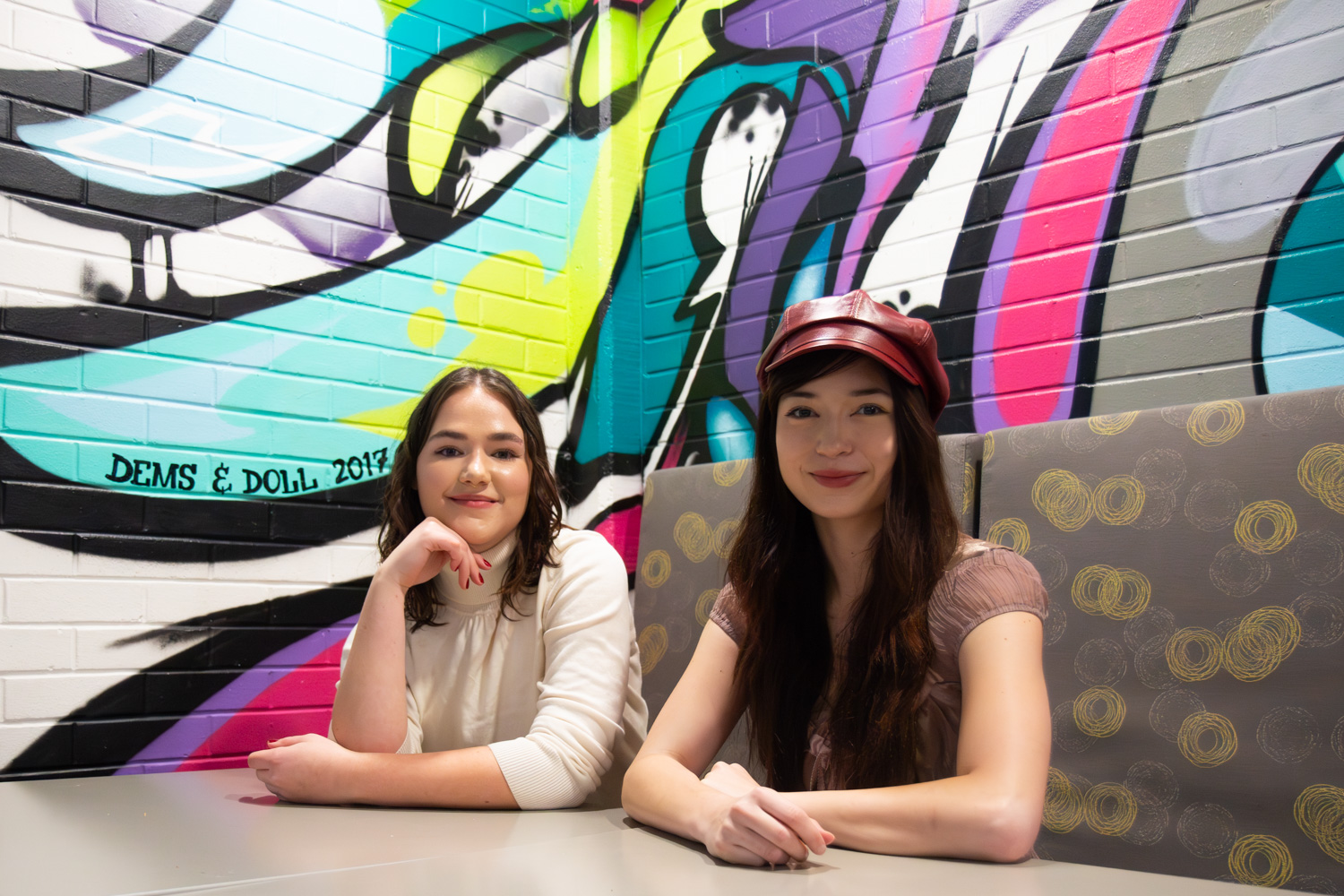
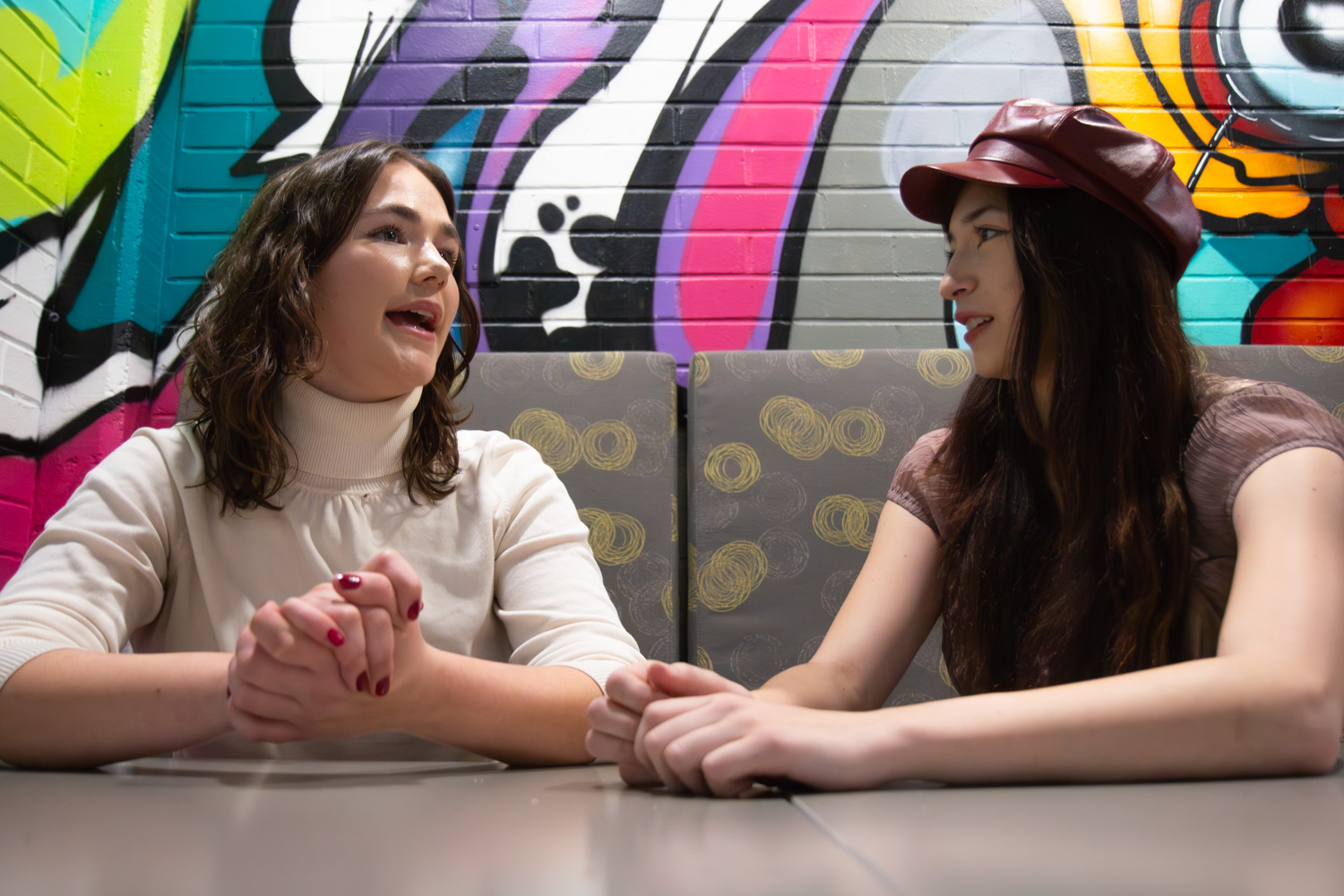
“It was made for students specifically and people going through the same kinds of [experiences] during their studies,” Anonby said.
“Because it was run by students, it felt less like a business trying to generate money in your face and more of just a beautiful place to experience things.”
Anonby added she sees Haven as an “integral part” of her university experience, and that there’s a demand for artistic third spaces “now more than ever.”
“People really are looking for tangible community, and Haven was a unique space for that,” Anonby said.
Anonby, Vinette, White and Keldani would all like to see a student-run third space like Haven return to the Carleton community. Vinette said she would volunteer to help out.
“Haven meant so much to me … It feels off to see it not being what I remember,” she said.
“Honestly, every time I pass by where it used to be, I shed a tear.”
*Nisse Anonby has previously contributed to the Charlatan.
Featured graphic by Alisha Velji/the Charlatan.