Ann Pham, a graduate student in gender and sexuality studies at Carleton University, is searching for links between social media and lesbian identity in hopes of updating “recycled” academic discourse on lesbian identity.
Focusing on the impact social media has on the construction and experience of lesbian identity, Pham said they hope to fill a gap in academic literature at a time when “online spaces are being controlled, especially in terms of queer identity.”
Pham is currently writing their findings in a master’s research paper and thesis after conducting interviews with 10 lesbians between the ages of 18 and 25 this summer.
The Charlatan sat down with Pham to learn more.

Ann Pham (AP): I came out as a lesbian when I was 16 and got really engaged with online communities. I came out as a lesbian, and I said to a friend “I think I’m a they/them” and the friend told me I couldn’t identify as a non-binary lesbian.
I then fell into a rabbit hole because I was like, “I need to prove you and myself wrong.”
I read a lot of theory online, finding a French philosopher who said something like, “Everything a lesbian does is outside of the patriarchy.”
This helped me realize there was more discourse online than I realized.
TC: How did you come up with the idea for this research?
AP: I hadn’t seen anyone research lesbians’ personal feelings towards lesbian discourse online. I wondered what distinguishes the online from offline spaces because your identity is continuously with you.
TC: How was the study conducted?
AP: The whole process was conducted over Zoom, where I would have participants screen share their social media, and we would get into a conversation about how they engage online and what it means to be a lesbian.
I would go through their feeds and they would tell me about their usual habits. This would help me understand how they understand their identity through social media and how their online habits reaffirm their lesbian identity.
TC: Did anything surprise you in your findings?
I was surprised more of the participants didn’t actively engage with social media through liking, commenting or blocking.
I also learned that many don’t really care when they see negative media about lesbians now but cared when they first came out. They also said when they do get upset by negative media, they don’t engage, but may talk to their friends about it.
TC: Why is researching this topic important?
AP: It’s important at a time where online spaces are being controlled, especially in terms of queer identity.
A lot of people don’t often have access to community in person, so it’s very important to hear what is going on in the online world.
Lots of people told me how great online spaces can be, because they learn so much, and people in the real world don’t understand the nuances of their identity in the same way.
I also feel there’s a lack of discussion because a lot of the theory I’ve seen acknowledges the online world as positive but doesn’t acknowledge the negatives.
This interview has been edited for length and clarity.
_____________________________________________________________________________________________
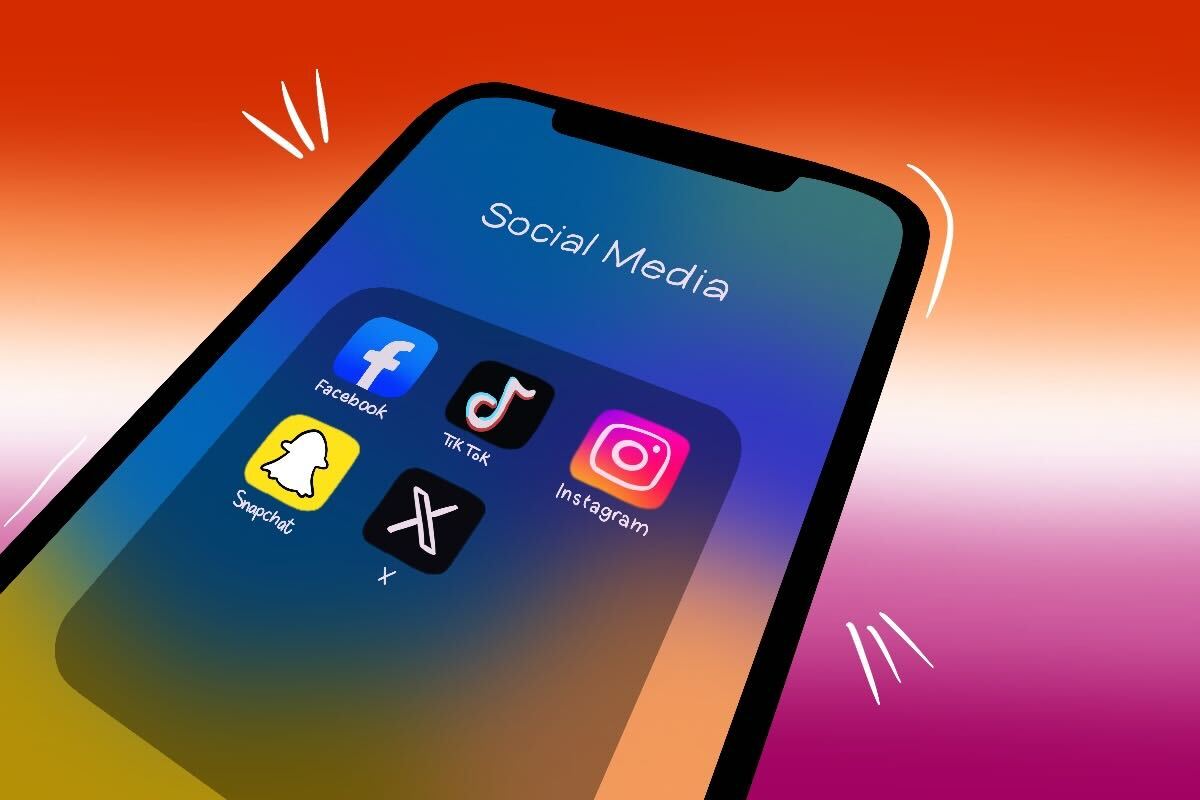
Featured graphic by Alisha Velji/the Charlatan.