
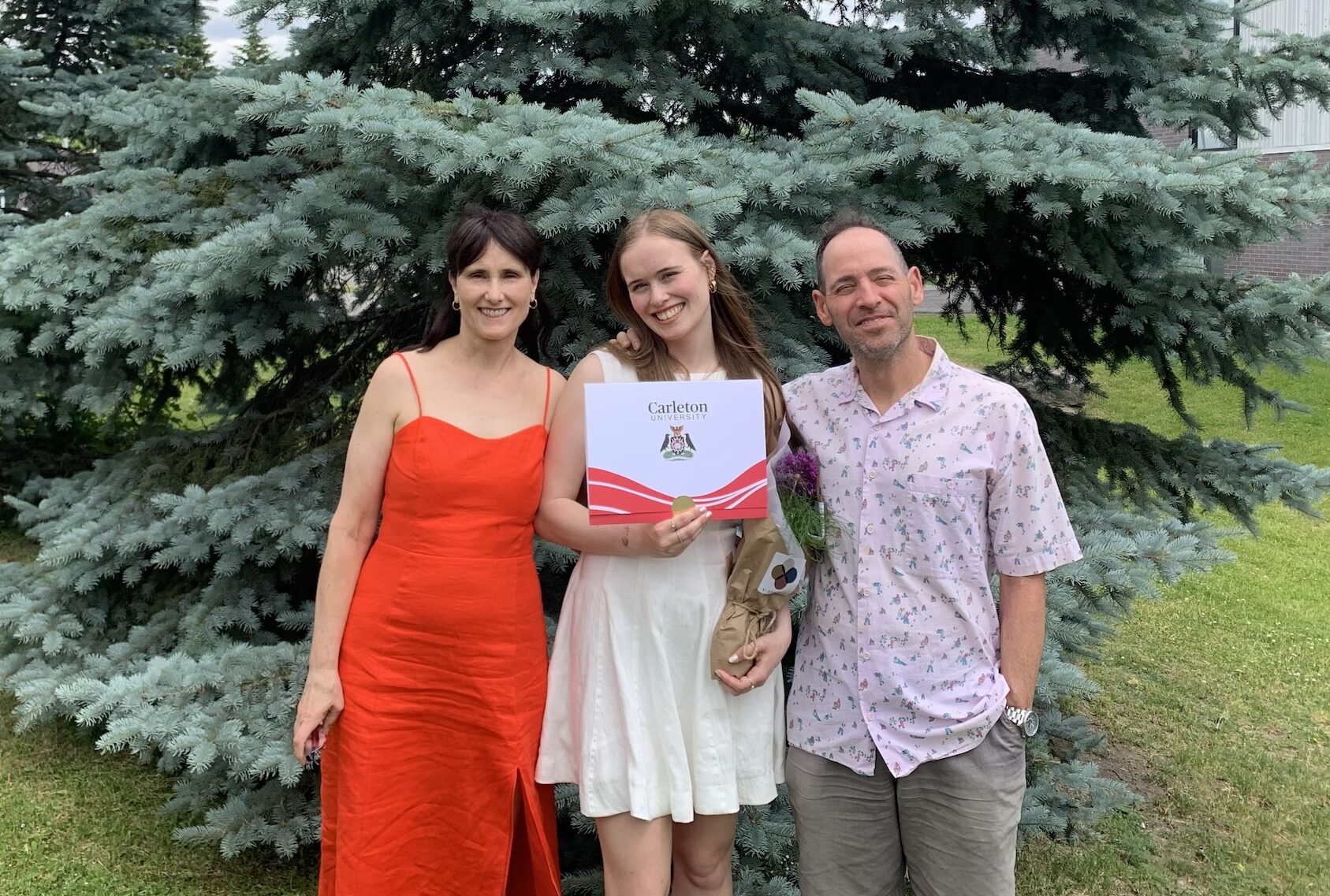
I’m a Carleton University graduate awarded university medals, but you might not know that my university journey was a struggle riddled with self-doubt and mental anguish.
My experience was anything but picture-perfect, and for the first two years, I held on by a very precarious thread.
Starting university online during the pandemic was incredibly difficult. Learning alone in the confines of my room meant being stuck with my own thoughts, which proved to be mentally, emotionally and physically exhausting. I was part of a large group of youth whose mental health plummeted during pandemic lockdowns.
I stopped doing the things that once brought me joy and gave my life meaning, quickly shrinking into a version of myself I no longer recognized.
My mental health spiralled in ways it never had before, and when I try to recall this period of my life, it’s mostly a blur.
And yet, if you had seen me or spoken to me during this time, you almost certainly wouldn’t have known what I was going through. On paper, I didn’t fit erroneous popular stereotypes of someone who struggles with mental illness.
I lived in a beautiful home in a safe neighbourhood with a wonderfully supportive family. I had no outward reason to be sad, but mental illness haunted me anyways.
The reality is some of the worst years of my life overlapped with my time in university. Because of this, I was what I would call a “ghost student.”
I hardly made any friends and didn’t get involved in any of the clubs or extracurriculars Carleton had to offer. I would come to class and leave. I didn’t do anything that might have helped me feel a part of the student body.
I never felt like I belonged because, in many ways, I didn’t.
I don’t share all this for pity or sympathy. It’s simply the ugly truth of mental illness. It can make us miss out on important milestones, life events and meaningful engagement. It puts up walls, shuts doors and stops us from seeing the richness of life.
My battle with depression involved many nights of tears, crisis and uncertainty. But eventually, I opened up to family and friends about what I was going through, and I was met with love and support when I needed it most.
Admitting to myself and others that I was unable to navigate my mental health challenges alone was a crucial (albeit incredibly difficult) first step in my path towards recovery.
Despite the challenges I faced, I’m proud to be a university medal recipient.
I can’t help but think of the many students at Carleton silently struggling with their mental health. I know there are many people who walk the warm, bustling tunnels, attend their crowded lectures and still feel entirely alone.
I was one of them, and I never imagined in my wildest dreams that I would make it to this point.
I felt medals, awards and praise were reserved for people who had their ducks in a row — those who make their beds every morning, drink eight glasses of water a day and have their entire lives mapped out in a way I still don’t.
I share my story not to gloat about my achievements but because I truly believe that so many people are far more capable than they give themselves credit for.
There is hope.
Featured image provided by Brigit Bastianon